
Why Grow Zucchini?
Benefits for Growers
High Productivity: A single plant can produce 6-20 pounds of fruit during the season, with continuous harvests over 6-8 weeks.
Short Cycle: From sowing to first harvest in just 45-60 days, allowing multiple crops annually in favorable climates.
Market Versatility: Consistent demand in local markets, restaurants, CSA programs, and natural food stores.
Ease of Cultivation: Ideal for beginners, with relatively simple management requirements compared to other crops.
Nutritional and Culinary Value
Zucchini is rich in vitamins A and C, potassium, fiber, and antioxidants, with only 17 calories per 100g. Its culinary versatility includes preparations from raw salads to baked dishes, soups, vegetable noodles (zoodles), and even cakes and breads.
Zucchini Varieties: Choosing the Best for Your Project
Italian Dark Green Zucchini
Characteristics: Elongated cylindrical shape, glossy dark green skin, firm cream-colored flesh.
Ideal Length: 6-8 inches for best flavor and texture.
Culinary Applications: Grilling, stir-fries, soups, vegetable lasagnas, preserves.
Growing Zones: USDA Zones 3-10 (adapts to most U.S. climates).
Popular Varieties:
- Black Beauty: classic variety with uniform fruits
- Aristocrat: virus-resistant and highly productive
- Raven: excellent for organic cultivation
Growing Characteristics: Thrives in well-drained sandy and loamy soils. Tolerates moderate temperature variations.
Round Zucchini (Eight Ball, Ronde de Nice)
Characteristics: Perfect spherical shape, light to medium green skin, sometimes with subtle stripes.
Ideal Size: 3-4 inches in diameter (tennis ball size).
Culinary Applications: Ideal for stuffing with meats, grains, cheeses, or vegetables; baking whole; slicing for gratins.
Growing Zones: USDA Zones 4-9 (temperate to subtropical climates).
Advantages:
- Attractive visual presentation for gourmet markets
- Perfect individual portions
- Less waste in preparation
Considerations: Requires soil rich in organic matter and consistent irrigation. Sensitive to water stress.
Yellow Zucchini (Golden Zucchini)
Characteristics: Vibrant yellow to golden skin, cream-colored flesh with creamy texture.
Flavor: Slightly sweeter and more delicate than green varieties.
Culinary Applications: Colorful sautés, pickles, raw carpaccio, grilled sides.
Growing Zones: USDA Zones 3-10.
Notable Varieties:
- Gold Rush: AAS Winner (All-America Selections), highly productive
- Golden Glory: disease-resistant
- Goldy: compact, ideal for small spaces
Market Advantages: Adds visual diversity to produce baskets, attracts customers seeking novelty.
Similar Care: Same cultural needs as green varieties, but light color facilitates pest identification.
Zucchini Blossoms
Characteristics: Large, yellow-orange flowers, delicate and ephemeral.
Types:
- Male flowers: long, thin stems (most used culinarily)
- Female flowers: swollen base that will become fruit
Harvest:
- Best time: early morning, right after opening
- Storage: maximum 1-2 days refrigerated
- Ratio: harvest only excess male flowers to not compromise pollination
Culinary Applications:
- Stuffed with ricotta and herbs, battered and fried
- Raw in gourmet salads
- Quesadillas and pizzas
- Omelets and frittatas
Market Value: Premium – can sell for $3-5/dozen in specialty markets, attract chefs and gourmet consumers.
Specialty and Heirloom Varieties
Costata Romanesco: Italian variety with pronounced ribs, rich nutty flavor, highly valued by chefs.
Cocozelle: Italian heirloom with light and dark green stripes, firm texture even when larger.
Tromboncino (Zucchetta): Unique curved shape, can grow on trellises, excellent resistance to vine borers.
Lebanese Zucchini: Cylindrical, very light green, extremely tender texture, popular in Mediterranean cuisines.

Ideal Planting Conditions
Temperature and Climate
Optimal Growing Range: 68°F to 86°F during day; 59°F to 68°F at night.
Soil Temperature for Germination: Minimum 60°F, ideal 70-95°F.
Cold Sensitivity:
- Plant only after last frost date
- Temperatures below 50°F cause severe damage
- Use floating row covers or cloches if late frost expected
Heat Tolerance:
- Tolerates up to 104°F with adequate irrigation
- Above 95°F, flower drop may occur
- Partial shading in very hot climates can be beneficial
U.S. Growing Zones:
- North: plant May-June
- South: plant March-April and August-September
- Mild climates: year-round possible with succession planting
Sunlight
Requirement: Full sun – minimum 6 hours daily, ideal 8-10 hours.
Light Impact:
- Insufficient light results in leggy plants with few fruits
- Maximizes flowering and fruit set
- Improves nutritional quality and flavor
Shading Considerations:
- In very hot climates (>100°F consistently), light shading during hottest hours can prevent stress
- Avoid shade from structures or trees blocking morning sun
Water Needs
Irrigation Principle: Consistent moisture without waterlogging.
Volume: 1-2 inches of water per week, adjusted for precipitation and evapotranspiration.
Frequency:
- Sandy soils: 2-3 times per week
- Clay soils: 1-2 times per week
- Increase during flowering and fruiting
Irrigation Methods:
Drip Irrigation:
- Ideal for commercial production
- Water savings up to 50%
- Reduces foliar diseases by keeping leaves dry
- Allows efficient fertigation
Overhead Sprinkler:
- Irrigate early morning for quick drying
- Avoid wetting flowers during pollination
- Higher risk of fungal diseases
Furrow Irrigation:
- Suitable for large-scale plantings
- Requires proper leveling
- Monitor to avoid waterlogging
Signs of Water Stress:
- Excess: yellowing leaves, fruit rot, slow growth
- Deficiency: wilting at midday, bitter fruits, growth stoppage, flower drop
Mulching:
- Apply 2-4 inches of straw, dry leaves, or black plastic
- Reduces evaporation up to 70%
- Controls weeds
- Maintains stable soil temperature
Soil Preparation: Foundation for Success
Soil Type and Drainage
Ideal Soil: Sandy loam to clay loam, rich in organic matter.
Structure:
- Friable and well-aerated
- Water retention capacity without compaction
- Efficient drainage – water should not pool
Problem Soils:
Heavy Clay:
- Solutions: incorporate coarse sand (not fine), compost, agricultural gypsum
- Create raised beds 8-12 inches high
- Add 2-4 inches of compost annually
Pure Sand:
- Solutions: incorporate compost and organic material in large quantities
- Add vermiculite or peat for water retention
- Apply thick mulch layer
Drainage Test:
- Dig 12-inch hole, fill with water
- Ideal soil drains completely in 4-6 hours
- Slower drainage indicates need for correction
Soil pH
Optimal Range: 6.0 to 7.0 (slightly acidic to neutral).
pH 6.5: considered ideal for maximum nutrient availability.
Soil Testing:
- Conduct 3-4 months before planting
- Collect samples from multiple points
- Test annually in intensive production areas
- Complete analysis includes: pH, N-P-K, organic matter, micronutrients
pH Corrections:
Acidic Soil (pH < 6.0):
- Dolomitic limestone: 50-100 lbs/1,000 sq ft to raise 1 pH point
- Apply 3-4 months before planting for complete reaction
- Additional benefit: provides calcium and magnesium
Alkaline Soil (pH > 7.5):
- Elemental sulfur: 2-5 lbs/1,000 sq ft
- Aluminum sulfate: faster action
- Acidic compost (peat, pine needles)
- Multiple light applications preferable to one heavy application
Fertility and Fertilization
Soil Analysis: Essential investment for precise fertilization program.
Primary Macronutrients:
Nitrogen (N):
- Function: vegetative growth, leaf color
- Deficiency: yellowing leaves, slow growth
- Organic sources: compost, manure, blood meal, feather meal
- Application: 100-150 lbs N/acre per cycle
Phosphorus (P):
- Function: root development, flowering, fruiting
- Deficiency: stunted plants, purplish leaves
- Sources: bone meal, rock phosphate, superphosphate
- Application: 60-80 lbs P₂O₅/acre
Potassium (K):
- Function: fruit quality, disease resistance, water regulation
- Deficiency: burned leaf edges, poor fruit quality
- Sources: wood ash, potassium sulfate, greensand
- Application: 100-120 lbs K₂O/acre
Pre-Planting Preparation:
4-6 Weeks Before:
- Incorporate well-aged compost: 2-4 inches deep or 20-40 tons/acre
- Add aged manure (never fresh): 10-20 tons/acre
- Apply base fertilizer according to analysis
2 Weeks Before:
- Apply balanced fertilizer (example: 10-10-10) at 2-3 lbs/100 sq ft
- Organic alternative: 4-4-4 or 5-5-5 at 3-5 lbs/100 sq ft
Side-Dressing:
- 3-4 weeks after transplant/emergence
- When first flowers appear
- Every 2-3 weeks during production
- Sources: fish emulsion, compost tea, soluble fertilizer
Micronutrients:
- Calcium: prevents blossom end rot
- Magnesium: chlorophyll component
- Boron: essential for flower set
- Foliar application if deficiencies identified
Tillage (Soil Preparation)
Depth: Till soil to 8-12 inches depth.
Objectives:
- Break compacted layers
- Incorporate organic matter uniformly
- Improve aeration and root penetration
- Facilitate drainage
Methods:
Traditional Plowing:
- Suitable for new beds
- Inverts soil layers
- Follow with harrowing to break clods
Minimum Tillage:
- Only loosen without inverting layers
- Preserves soil structure and biology
- Uses cultivators or rotary tillers
Permanent Bed System:
- Never step on growing area
- Only add compost superficially
- Ideal for small-scale and organic production
Raised Beds:
- Elevated beds 6-12 inches high
- Width: 3-4 feet
- Spacing between beds: 2-3 feet
- Excellent drainage and early warming
- Facilitates harvest
Timing:
- Prepare when soil is at “tillage moisture” – moist but not sticky
- Very wet soil compacts; very dry forms hard clods
- Test: squeeze handful of soil – should form ball that crumbles with light touch
Planting: Direct Seeding and Transplanting
Direct Seeding
When: After last frost, when soil reaches 60°F.
Depth: 1 inch.
Spacing:
- Between plants: 24-36 inches
- Between rows: 48-60 inches
- In beds: 3 plants per 10 sq ft in triangular pattern
Method:
- Plant 2-3 seeds per hole
- Thin after emergence, leaving strongest plant
- Water immediately after planting
Germination:
- Emergence: 7-14 days
- Germination rate: 80-90% under ideal conditions
Transplanting Seedlings
Advantages:
- Early season start (2-3 weeks)
- Better initial pest control
- Higher success rate in marginal conditions
Seedling Production:
- Sow in cell trays (50-72 cells) 3-4 weeks before transplant
- Use sterile commercial substrate or 50% peat + 30% vermiculite + 20% compost mix
- Maintain at 70-80°F
- Adequate light to prevent stretching
Hardening Off:
- 7-10 days before transplant
- Gradually reduce temperature and increase sun exposure
- Slightly reduce irrigation
Transplanting:
- Transplant on cloudy day or late afternoon
- Bury to cotyledons (seed leaves)
- Water abundantly
- Consider temporary protection (cloches, tunnels)
Succession Planting
Strategy: Plant new round every 2-3 weeks.
Benefits:
- Continuous harvest throughout extended season
- Distribution of harvest workload
- Risk reduction (weather, pests)
Duration: Continue until 8-10 weeks before expected first frost.
Management and Cultural Practices
Detailed Irrigation
Critical Stages:
Establishment:
- Keep soil consistently moist
- Light, frequent irrigations
- Wetting depth: 4-6 inches
Vegetative Growth:
- Deep, less frequent irrigations
- Depth: 8-12 inches
- Encourages deep roots
Flowering and Fruiting:
- Most critical period
- Do not allow water stress
- Inconsistency causes deformed fruits and flower abortion
Monitoring:
- Tensiometers or moisture sensors
- Visual and tactile observation
- Adjust according to weather conditions
Weed Control
Impact: Competition for water, nutrients, and light; hosts for pests and diseases.
Methods:
Mulch:
- Organic material: straw, leaves, dry grass clippings
- Thickness: 2-4 inches
- Apply after soil warms
- Reduces weeds 80-90%
Black Plastic:
- Warms soil early
- Complete weed suppression
- Must be perforated for irrigation or use drip system underneath
Mechanical Cultivation:
- Shallow (2 inches) to avoid root damage
- When weeds are small
- After irrigation when soil is slightly moist
Manual Control:
- Hand weeding for weeds close to plants
- More labor-intensive but precise
Prevention:
- Crop rotation
- Clean seeds
- Proper composting (high temperature kills seeds)
Pruning and Leaf Management
Leaf Removal:
- Remove yellowing, diseased, or damaged leaves
- Improve air circulation reduces diseases
- Remove lower leaves in contact with soil
When NOT to Prune:
- Don’t remove healthy leaves excessively
- Leaves necessary for photosynthesis
- Excessive removal reduces production
Excess Fruit Removal:
- Very large first fruits can be removed
- Encourages subsequent production
Spacing and Density
Recommended Spacing:
- Intensive Cultivation: 24 inches between plants, 48 inches between rows
- Extensive Cultivation: 36-48 inches between plants, 60-72 inches between rows
- Raised Beds: triangular pattern, 30-36 inches between plants
Spacing Impact:
Too Close:
- Reduces air circulation
- Increases humidity and fungal diseases
- Hampers harvest
- Smaller fruits
Too Far:
- Inefficient space use
- More area for weeds
- Lower production per area
Vertical Growing:
- Vine-type varieties can be trellised
- Saves space
- Improves air circulation
- Facilitates harvest and inspection
Pollination
Flower Types:
- Monoecious: male and female flowers on same plant
- Male flowers appear first
- Typical ratio: 10-20 males to 1 female
Pollination:
- Primarily by bees
- Cross-pollination increases fruit set
- Early morning is critical period
Optimizing Pollination:
Attract Pollinators:
- Plant attractive flowers: sunflowers, cosmos, zinnias, alyssum
- Avoid pesticides during flowering
- Provide water source for bees
Hand Pollination (if necessary):
- Collect pollen from male flowers with brush
- Apply to stigma of female flowers
- Perform in morning
- Useful in tunnels, greenhouses, or areas with few pollinators
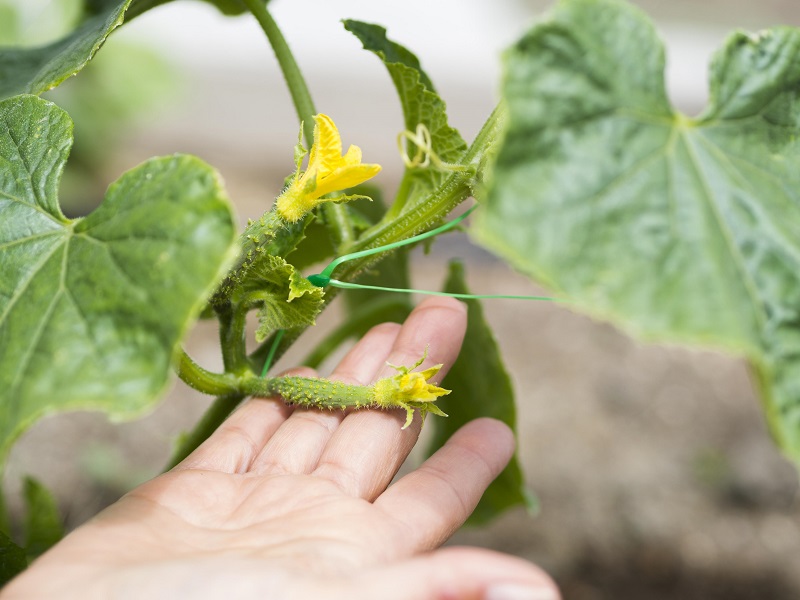
Flower Identification:
- Male: long, thin stem, no ovary at base
- Female: swollen ovary (mini zucchini) at base
Mulching – Detailed Benefits
Temperature Control:
- Reduces diurnal fluctuations
- Keeps soil cooler in summer
Moisture Conservation:
- Reduces evaporation 50-70%
- Stabilizes moisture
Weed Suppression:
- Blocks light necessary for germination
Soil Improvement:
- Organic mulches add organic matter when decomposing
- Stimulate microbial activity
Disease Prevention:
- Prevents soil splash on leaves
- Reduces soil-borne pathogens
Mulch Types:
Straw: economical, available, excellent insulation
Shredded Leaves: good nutrient source when decomposing
Grass Clippings: apply in thin layers to avoid compaction
Compost: fertilizes while covering
Black Plastic: warms soil, excellent weed control
Silver/White Plastic: reflects light, repels some insects, keeps soil cooler
Integrated Pest and Disease Management
Major Pests
1. Aphids (Aphididae)
Identification:
- Small insects (1-3 mm), soft-bodied
- Green, black, yellow, or white
- Colonize underside of leaves and young stems
Damage:
- Suck sap, causing leaf curl and deformation
- Secrete honeydew, favoring sooty mold
- Transmit viruses
Control:
Cultural:
- Strong water jet removes colonies
- Companion plants: garlic, onions, mint repel
Biological:
- Ladybugs (natural predator)
- Lacewings (larvae consume hundreds)
- Parasitic wasps
Chemical/Organic:
- Insecticidal soap: 2% solution
- Neem oil: 1-2% concentration, apply early or late
- Natural pyrethrin
Prevention:
- Avoid excess nitrogen (favors aphids)
- Regular inspection
2. Squash Bug (Anasa tristis)
Identification:
- Gray-brown insect, 0.6 inches long
- Flat oval shape
- Gray nymphs with black legs
Damage:
- Sucks sap causing wilt (anasa wilt)
- Leaves turn black and crispy
- Can kill young plants
Control:
Cultural:
- Daily inspection during establishment
- Manual removal of adults and egg masses (bronze, triangular on leaf undersides)
- Destroy crop residues after harvest
Physical:
- Floating row covers until flowering
- Traps: boards as shelter, inspect and remove in morning
Chemical:
- Difficult chemical control
- Neem oil on young nymphs
- Pyrethrin for severe infestations
Prevention:
- Crop rotation
- Resistant cultivars (some varieties show tolerance)
- Succession planting reduces impact
3. Squash Vine Borer (Melittia cucurbitae)
Identification:
- Moth: orange-red body, clear wings
- Larva: white, brown head, up to 1 inch
Damage:
- Larvae tunnel in stems
- Sudden plant wilt
- Yellow sawdust (frass) at plant base indicates presence
Control:
Cultural:
- Late planting can avoid first generation
- Burying stem nodes with soil encourages adventitious roots
Physical:
- Wrap plant base with aluminum foil or nylon stocking
- Floating row covers until flowering
- Surgery: cut stem longitudinally, remove larva, bury damaged section
Biological:
- Entomopathogenic nematodes applied to soil
- Bacillus thuringiensis (Bt) stem injections
Chemical:
- Difficult once inside stem
- Prevent with insecticide application at base when adults appear
Monitoring:
- Pheromone traps or yellow bowls
- Inspect for yellow frass
4. Cucumber Beetle (Diabrotica spp.)
Identification:
- Small beetles (6 mm), yellow with spots or black stripes
- Larvae attack roots
Damage:
- Adults chew leaves, flowers, and young fruits
- Transmit bacterial wilt disease
- Larvae damage root system
Control:
Cultural:
- Rotation with non-cucurbit crops
- Remove debris
Physical:
- Floating row covers
- Baited traps
Biological:
- Nematodes for larvae in soil
- Native birds as predators
Chemical:
- Pyrethrin, spinosad
- Kaolin (clay) as repellent
Major Diseases
1. Powdery Mildew (Podosphaera xanthii, Erysiphe cichoracearum)
Symptoms:
- White powdery growth on both leaf surfaces
- Starts on older leaves
- Leaves yellow and die
- Severe production reduction
Favorable Conditions:
- Moderate humidity (doesn’t require free water)
- Temperatures 68-80°F
- Partial shade
- Poor air circulation
Control:
Cultural:
- Adequate spacing
- Avoid overhead irrigation
- Prune affected leaves
- Resistant varieties
Biological:
- Potassium bicarbonate: 1 tablespoon/gallon water + 1 teaspoon soap
- Milk: 10-40% solution sprayed weekly
- Bacillus subtilis (commercial products)
Chemical/Organic:
- Sulfur: preventive, not curative
- Neem oil: preventive and light curative
- Copper-based fungicides
Prevention:
- Regular monitoring
- Preventive applications in areas with history
2. Downy Mildew (Pseudoperonospora cubensis)
Symptoms:
- Angular yellow spots delimited by veins
- Gray-purple growth on leaf undersides
- Rapid progression – can devastate field in days
- Leaves necrose and fall
Favorable Conditions:
- Free water on leaves (rain, dew, irrigation)
- Temperatures 59-72°F
- High humidity
Control:
Cultural:
- Drip irrigation
- Irrigate early morning
- Wide spacing
- Row orientation to prevailing wind
Chemical:
- Preventive fungicides (mancozeb, chlorothalonil)
- Systemic fungicides (metalaxyl, propamocarb) in active infection
- Rotate mode of action to avoid resistance
Prevention:
- Alert systems (downy mildew monitoring websites)
- Preventive applications in endemic areas
3. Fruit Rot
Causes: Multiple fungal and bacterial pathogens
Symptoms:
- Soft, watery spots on fruits
- Fungal growth (white, gray, black)
- Fruits rot in field or post-harvest
Favorable Conditions:
- Contact with moist soil
- Fruit wounds
- High humidity
Control:
Cultural:
- Mulching to avoid soil contact
- Remove diseased fruits
- Frequent harvest
- Avoid wounds
Harvest Practices:
- Handle carefully
- Don’t harvest when wet
- Dry and cool quickly
4. Mosaic Viruses (CMV, ZYMV, WMV)
Symptoms:
- Mosaic pattern (light and dark green areas) on leaves
- Leaf deformation
- Deformed, discolored, warty fruits
- Stunting
Transmission:
- Aphids (non-persistent – quickly acquired and transmitted)
- Seeds (some viruses)
Control:
Prevention:
- Resistant varieties
- Rigorous aphid control
- Reflective mulches repel aphids
- Remove infected plants immediately
- Control weed hosts
Cultural:
- Isolation from older plantings
- Avoid planting near ornamental cucurbits
Note: No cure – prevention is essential
Integrated Management (IPM) Strategies
Monitoring:
- Weekly plant inspection
- Adult traps
- Occurrence records
Correct Identification:
- Distinguish pests from beneficials
- Accurate disease diagnosis
Action Thresholds:
- Intervention based on economic thresholds, not first detection
Multiple Tactics:
- Combine cultural, physical, biological, and chemical
- Integration reduces resistance and environmental impact
Control Priority:
- Cultural and preventive
- Physical and mechanical
- Biological
- Chemical (last resort, prioritize organics)
Natural Enemy Conservation:
- Minimize broad-spectrum pesticides
- Cover crops and flowers for habitat
- Avoid insecticides during flowering
Harvest
Timing and Ideal Size
After Flowering: 7-14 days to harvest size.
Ideal Sizes:
- Cylindrical Varieties: 6-8 inches
- Round Varieties: 3-4 inches diameter
- Blossoms: Harvest early morning, right after opening
- Baby Zucchini: 3-4 inches (gourmet markets)
Frequency:
- Every 2-3 days during peak production
- Regular harvest stimulates continuous production
- Fruits left too long inhibit new fruiting
Over-Maturity Signs:
- Hard skin, difficult to mark with fingernail
- Large, developed seeds
- Loss of gloss
- Excessive size (>10 inches for standard varieties)
Harvest Techniques
Tools:
- Sharp pruning shears or knife
- Gloves to protect from spiny hairs
Method:
- Cut 1 inch above fruit
- Don’t twist or pull (damages plant)
- Leave stem on fruit (increases storage)
- Handle carefully to avoid bruising
Time of Day:
- Early morning after dew dries
- Cooler temperature preserves quality
- Avoid midday heat
Post-Harvest:
- Cool quickly to 50°F
- Don’t wash immediately (reduces storage)
- Store in cool, humid location
- Shelf life: 7-14 days refrigerated
Expected Yields
Per Plant: 6-20 pounds per season
Per Area:
- Home cultivation: 1-1.5 lbs/sq ft
- Optimized commercial cultivation: 10-20 tons/acre
Peak Production: 4-8 weeks after first harvest
Yield Factors:
- Variety
- Weather conditions
- Soil fertility
- Pest/disease management
- Harvest frequency
Marketing: From Garden to Market
Sales Channels
1. Farmers’ Markets
Advantages:
- Direct consumer sales
- Premium prices (40-60% margins)
- Immediate feedback
- Customer loyalty
- No intermediaries
Strategies:
- Colorful varieties (yellow, round) visually attract
- Offer zucchini blossoms (differentiator)
- Attractive packaging
- Recipes and preparation tips
- Tastings
Preparation:
- Wash lightly, dry
- Sort by size
- Remove damaged stems
- Attractive display
2. CSA Programs (Community Supported Agriculture)
Advantages:
- Advance revenue
- Guaranteed market
- Long-term relationships
Considerations:
- Planned production for weekly shares
- Variety throughout season
- Communication about use and recipes
- Succession planting essential
Inclusion:
- Availability period: June-October (temperate climate)
- Typical quantity: 1-3 zucchini/share/week
- Combine with other cucurbits
3. Restaurant Sales
Advantages:
- Consistent volumes
- Premium prices for superior quality
- Lasting relationships
Specialty Products:
- Zucchini blossoms (very high margin)
- Heirloom varieties (Costata Romanesco)
- Baby zucchini (2-3 inches)
- Round zucchini for stuffing
Requirements:
- Consistent quality
- Reliable deliveries
- Certification (if organic)
- Traceability
Strategy:
- Start with known or local chefs
- Offer tastings
- Flexibility with seasonality
- Communicate about availability
4. Retail (Supermarkets, Specialty Stores)
Advantages:
- Large volumes
- Regular sales
Challenges:
- Lower margins
- Strict quality/size standards
- Packaging needs
- More complex logistics
Requirements:
- GAP (Good Agricultural Practices)
- Liability insurance
- Complete traceability
- Supply consistency
Packaging:
- Size classification
- Information labels (origin, organic, etc.)
- Barcodes
- Attractive packaging
5. Online Sales/Delivery
Models:
- Subscription boxes
- Online orders for pickup
- Local delivery
Platforms:
- Own website
- Social media (Instagram, Facebook)
- Organic delivery apps
Considerations:
- Delivery logistics
- Transport packaging
- Guaranteed freshness
Processing and Value-Added
Processed Products:
- Pickled/preserved zucchini
- Dehydrated zucchini (chips)
- Zucchini bread/cake (packaged)
- Sauces and spreads
Benefits:
- Use surplus
- Higher margins
- Market differentiation
- Off-season sales
Requirements:
- Certified commercial kitchen
- Processing licenses
- Recipe testing
- Proper packaging and labeling
Certifications
Organic:
- 20-40% premium over conventional
- Requirements: 3 years without synthetic chemicals, annual certification
- Costs: certification, inputs, additional labor
GAP (Good Agricultural Practices):
- Required for some retailers
- Focus on food safety
- Annual audit
Others:
- Rainforest Alliance certification
- Fair Trade (for cooperatives)
- Biodynamic (Demeter)
Marketing Strategies
Branding:
- Memorable farm name
- Farm story
- Values (organic, local, family)
Communication:
- Active social media
- Newsletter with recipes
- Blog about growing
Consumer Education:
- How to select zucchini
- Proper storage
- Creative recipes
- Nutritional benefits
Differentiation:
- Unique varieties
- Unmatched freshness
- Sustainable practices
- Certifications
Pricing
Factors:
- Production cost
- Local market
- Quality
- Certifications
- Sales channel
Strategy:
- Calculate full cost (labor, inputs, overhead)
- Add appropriate margin
- Compare with market
- Consider perceived value
Examples (vary by region):
- Farmers’ market: $2-4/lb
- Organic retail: $3-5/lb
- Restaurants (premium): $4-6/lb
- Blossoms: $8-12/dozen
Economic Aspects and Planning
Production Costs (Estimate per Acre – Commercial Growing)
Seeds/Transplants: $100-200 Fertilizers and Amendments: $300-500 Irrigation (amortized installation + operation): $200-400 Pest/Disease Control: $150-300 Labor: $2,000-4,000 Other (fuel, maintenance, packaging): $200-400
Total: $2,950-5,800/acre
Potential Revenue:
- Production: 10-20 tons/acre
- Average price: $1.50-3.00/lb
- Gross revenue: $30,000-120
Marketing Zucchini: From Field to Table
Zucchini is highly marketable through various channels:
- Farmer’s Markets: Great for fresh sales and engaging with customers.
- CSA Programs: Include in weekly produce boxes for local consumers.
- Restaurants: Offer specialty items like blossoms or heirloom varieties.
- Retail Grocers: Requires consistent quality and packaging.
Ready to Grow and Sell Zucchini?
With the right variety selection, proper soil prep, and consistent care, zucchini can become one of the most productive crops in your garden or farm. Whether you’re growing for your family, local markets, or larger-scale distribution, this resilient vegetable offers strong ROI and consumer appeal.
You may also like: How to Grow Asparagus: A Complete Guide to Planting and Harvesting