
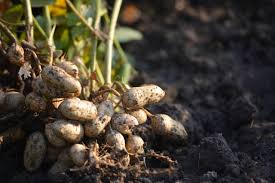
Have you ever thought about planting peanuts in your own yard or on your farm?
Besides being delicious and nutritious, peanuts are a profitable crop and can be grown in small or large areas. In this guide, you’ll learn exactly how to plant peanuts step-by-step, what they need to grow healthy, and extra tips to boost your harvest.
What Is Peanut Planting and Why Is It Important?
Planting peanuts is more than just putting seeds in the ground.
It’s about creating the right environment for the plant to grow healthy pods underground. Peanuts are a legume, not a nut, and are rich in protein, healthy fats, and minerals.
Growing peanuts can:
- Provide food for your family.
- Be a profitable crop for local sales or the food industry.
- Improve soil fertility, thanks to nitrogen-fixing bacteria in their roots.
Best Practices for Peanut Plant Care and Soil Management
Peanut plants don’t just need the right planting depth and spacing — they also thrive when given the best conditions for growth throughout their lifecycle.
🌱 Optimize Soil Conditions
Before planting, make sure your soil is well-drained and loose. Peanuts perform best in sandy-loam soils that allow the developing pods to grow easily without obstruction. Heavy clay soils can prevent proper peg penetration and reduce yield, so consider amending tougher soils with sand or organic compost to improve structure and drainage. The ideal soil pH for peanuts is slightly acidic to neutral — roughly 5.8 to 6.5 — which supports nutrient availability and root health.
💧 Irrigation Tips for Healthy Growth
Peanuts require consistent moisture, especially during critical growth stages such as flowering and peg formation. While the seeds need moisture for uniform germination, overwatering can lead to root rot or fungal issues. Efficient irrigation techniques — such as drip irrigation or soaker hoses — help deliver water directly to the roots while minimizing water loss and reducing the risk of disease. If you’re growing on a small scale, simple moisture sensors or regular manual checks can help ensure the soil stays evenly moist but not soaked.
🌾 Weed and Pest Management
A clean, weed-free field gives peanut plants a much better chance to flourish. Weeds compete with peanuts for water and nutrients and can harbor pests or pathogens, so regular weeding is essential in the first month after planting. For larger operations, using a tine weeder or light cultivation around the plants each week can keep weeds under control without damaging the shallow root systems.
🌿 Crop Rotation and Soil Health
Peanuts are legumes — they help fix nitrogen in the soil, which can benefit future crops. That said, growing peanuts continuously on the same field can deplete other nutrients and increase disease pressure. Crop rotation with cereals or other legumes helps break disease cycles and improve soil fertility. Alternating peanuts with crops like corn, oats, or beans every few seasons can boost overall productivity and keep your land fertile for the long term.
How to Plant Peanuts – Step-by-Step
1. Choose the Right Peanut Variety
There are several types of peanuts, such as Runner, Virginia, Spanish, and Valencia.
Your choice will depend on:
- Climate: Some varieties are better for warmer climates, others adapt to cooler areas.
- Purpose: For snacks, oil production, or roasting.
💡 Tip: Ask a local agronomist or seed supplier which variety grows best in your region.
2. Prepare the Soil
Peanuts like light, well-drained, sandy-loam soils with a pH between 5.5 and 6.5.
- Avoid heavy clay soils—they make it harder for pods to develop.
- Remove weeds and loosen the soil at least 20–30 cm deep.
💡 You can improve the soil with organic compost before planting.
3. Choose Quality Seeds
Use untreated raw peanuts (not roasted) or certified seeds from an agricultural store.
- Make sure they are healthy and free from mold or pests.
- If using saved seeds, select the largest and best-looking pods.
4. Planting the Seeds
- When: Plant in warm soil (above 20 °C / 68 °F), usually in spring or early summer.
- Spacing: Plant seeds 3–5 cm deep, spaced 10–15 cm apart in rows about 60–70 cm apart.
- How: Place 1–2 seeds per hole and cover lightly with soil.
💡 Water lightly after planting.
5. Watering and Maintenance
- Keep soil moist but not soggy—peanuts don’t like excess water.
- Water more during flowering and pod formation.
- Weed regularly so plants aren’t competing for nutrients.
6. Flowering and Pegging
After about 30–40 days, yellow flowers will appear.
- The flower stalk (peg) grows down into the soil, where the peanut pod will develop.
- Avoid disturbing the soil at this stage.
7. Harvesting
Peanuts are ready in 90 to 150 days, depending on the variety.
- Signs of maturity: Leaves turn yellow and pods have a firm shell.
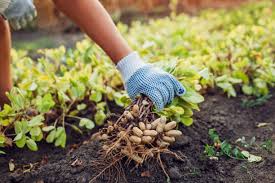
- Uproot the plants carefully, shake off excess soil, and let them dry in the shade for a few days before removing the pods.
Extra Tips and Fun Facts About Peanut Cultivation
- Rotation crops: Plant peanuts after cereals like corn or wheat to improve soil health.
- Pest control: Watch out for leaf spots and caterpillars—natural sprays can help.
- Storage: Keep dried peanuts in a cool, dry place to avoid mold.
- Peanuts fix nitrogen in the soil, reducing the need for chemical fertilizers.
Recommended Planting Calendar for Peanuts
| Region | Best Planting Period | Average Harvest Time |
|---|---|---|
| Tropical | All year (prefer rainy season) | 100–120 days |
| Subtropical | Spring to early summer | 120–150 days |
| Temperate | After last frost | 120–150 days |
Conclusion
Planting peanuts is easy, fun, and can be very rewarding.
With the right variety, soil preparation, and care, you can enjoy a healthy crop—whether for home consumption or as an extra income source.
📌 See also: The Complete Guide to Growing Garlic at Home: Planting to Harvest
💬 Have you ever tried planting peanuts? Share your experience in the comments!