How to Grow Olive Trees: Complete Step-by-Step Guide for Home Orchards and Commercial Production

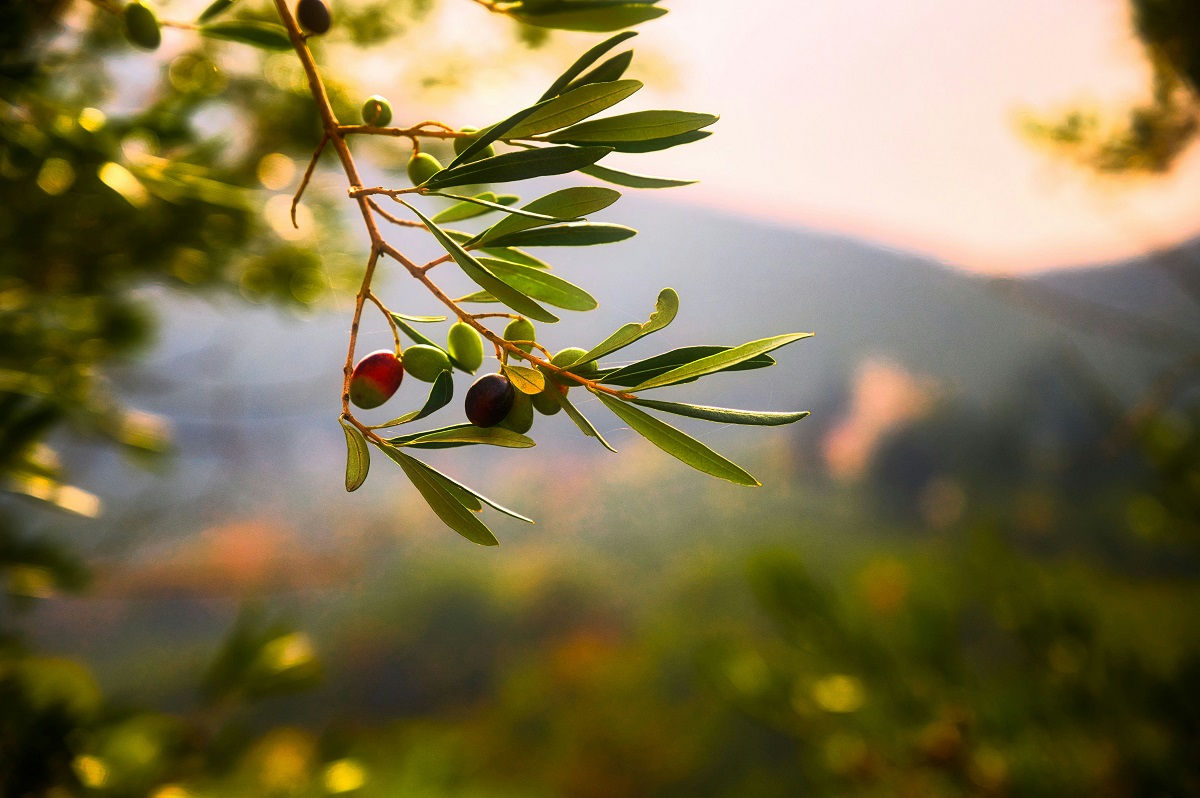
Have you ever dreamed of harvesting fresh olives from your own grove or producing artisan olive oil? Growing olive trees might be easier than you think. These majestic, drought-tolerant trees can live for centuries, providing delicious fruit, valuable oil, and timeless beauty to your landscape. Whether you’re a homesteader looking to add a few trees to your property or an aspiring commercial grower considering olive cultivation as a business venture, this comprehensive guide will walk you through everything you need to know about growing olive trees successfully in the United States. From selecting the right varieties for your climate to harvesting and processing your olives, you’ll discover the secrets to establishing a thriving olive grove that can provide harvests for generations to come. Why Grow Olive Trees? Benefits and Opportunities Olive trees (Olea europaea) have been cultivated for over 6,000 years around the Mediterranean, symbolizing peace, prosperity, and longevity. Today, they’re gaining popularity across the United States, particularly in California, Texas, Arizona, and other suitable climates. Economic and Practical Benefits Long-Term Investment: Multiple Revenue Streams: Low Maintenance Requirements: Growing Market Demand U.S. Market Statistics: California leads U.S. production: Understanding Olive Tree Varieties Choosing the right variety is crucial for success. Different cultivars excel at oil production, table olives, or both. Oil Production Varieties Arbequina (Spain) Koroneiki (Greece) Frantoio (Italy) Leccino (Italy) Picual (Spain) Table Olive Varieties Manzanilla (Spain) Sevillano (Spain) Kalamata (Greece) Mission (California) Dual-Purpose Varieties Frantoio: Excellent oil, good table oliveMission: California standard, versatilePendolino: Good oil, small table olive, excellent pollinator Climate Requirements for Growing Olive Trees Understanding olive trees’ climate needs prevents costly mistakes. Temperature Requirements Optimal Growing Conditions: Temperature Tolerance: Critical Considerations: Chilling Hours Requirement Olives need winter cold to break dormancy and flower properly: Standard varieties: 300-400 hours below 45°FLow-chill varieties (Arbequina): 200-300 hours U.S. Regions: Rainfall and Irrigation Annual Rainfall: Critical Periods (never let trees stress): Drought Tolerance: USDA Zone Recommendations Zone 7b-8a: Cold-hardy varieties (Leccino, Frantoio, Maurino)Zone 8b-9: Most varieties thriveZone 10-11: Excellent for all varieties, may need afternoon shade in hottest areas Best U.S. Regions: Soil Requirements and Site Selection Soil Characteristics Ideal Soil: Tolerated Soils: Avoid: Site Selection Sunlight: Full sun (8+ hours daily) required for fruiting Slope: Gentle slopes ideal (aids drainage, air circulation) Wind Protection: Frost Pockets: Avoid low-lying areas where cold air settles Planting Olive Trees: Step-by-Step Guide When to Plant Best Time: Early spring (after frost danger) or fall (mild climates) Spring Planting (Zones 7-8): Fall Planting (Zones 9-11): Selecting and Sourcing Trees Tree Age: 1-2 year-old trees establish best Size: 2-4 feet tall ideal (3-5 gallon containers) Quality Indicators: Sources: Planting Procedure Step 1: Soil Preparation Step 2: Digging the Hole Step 3: Planting Step 4: Staking (if needed) Step 5: Mulching Spacing and Planting Systems Traditional Orchard (Low Density): Intensive Orchard (Medium Density): Super-High-Density (Hedgerow): Irrigation Management Establishment Phase (Years 1-2) Frequency: 2-3 times weekly during growing season Amount: 5-10 gallons per tree per irrigation Goal: Deep root establishment Mature Trees (Year 3+) General Rule: 1-1.5 inches of water weekly during growing season Monthly Needs by Season: Critical Irrigation Periods Never let trees stress during: Irrigation Methods Drip Irrigation (Recommended): Micro-Sprinklers: Flood/Furrow: Critical: Never allow standing water—olives are extremely susceptible to root rot (Phytophthora). Fertilization Program Year 1 Goal: Establish healthy growth without excess Spring (3 applications, 6 weeks apart): Years 2-3 Spring/Summer (3-4 applications): Mature Trees (Year 4+) Annual Per-Tree Requirements: Application Schedule: Micronutrients Boron: Essential for flowering and fruit set Zinc, Iron: May be needed in alkaline soils Organic Fertilization Alternative Compost: 50-100 lbs per tree annually Well-aged manure: 75-125 lbs per tree Benefits: Pruning Olive Trees Training Young Trees (Years 1-3) Goal: Establish 3-4 main scaffold branches Method: Timing: Late winter (February-March) Production Pruning (Year 4+) Goal: Maintain productive, accessible canopy with good light penetration Remove: Keep: Intensity: Timing: After harvest (late fall/winter) or late winter before growth Renewal Pruning (Old/Neglected Trees) For trees 50+ years or severely neglected: Tools: Pest and Disease Management Major Pests Olive Fruit Fly (Bactrocera oleae): Black Scale (Saissetia oleae): Olive Psyllid: Major Diseases Peacock Spot (Spilocaea oleaginea): Verticillium Wilt (Verticillium dahliae): Olive Knot (Pseudomonas savastanoi): Root Rot (Phytophthora): Harvesting Olives Harvest Timing For Green Table Olives: For Black Table Olives: For Premium Olive Oil: For Maximum Oil Yield: Harvest Methods Hand Picking (Small Scale): Mechanical (Trunk Shaker): Over-the-Row Harvester: Post-Harvest Handling Critical Rules: From Fruit to Oil: Processing Basics Small-Scale Olive Oil Production Step 1: Washing Step 2: Milling Step 3: Malaxation Step 4: Extraction Step 5: Separation Step 6: Filtering (Optional) Step 7: Storage Oil Yield: Curing Table Olives Raw olives are extremely bitter (oleuropein compound). They must be cured: Brine Curing (Most Common): Lye Curing (Fast, Commercial Method): Dry Salt Curing (Greek Style): Economic Considerations Establishment Costs (Per Acre, Traditional Spacing) Trees (100 trees @ $15-25): $1,500-2,500Site preparation: $500-800Drip irrigation system: $1,500-2,500Staking/support: $300-500Tools and supplies: $200-400Total Initial: $4,000-6,700 per acre Annual Operating Costs Irrigation (water/power): $300-500Fertilization: $200-400Pruning/maintenance: $300-600Pest/disease control: $200-400Harvest (mature trees): $800-1,500Total Annual: $1,800-3,400 per acre Production and Revenue Traditional Spacing (100 trees/acre): Revenue Scenarios: Table Olives: Olive Oil: Premium Artisan Oil: Net Profit (Mature Grove): $5,000-15,000/acre annually Break-even: Typically year 5-7 ROI: 20-40% annually once established U.S. Olive Growing Regions California (95% of U.S. production): Texas: Arizona: Georgia: Oregon: Quick Reference Guide Factor Requirement USDA Zones 8-11 (some varieties to Zone 7) Chilling Hours 200-400 hours below 45°F Sunlight Full sun, 8+ hours daily Soil pH 6.5-8.5 Drainage Excellent (critical) Spacing 15-25 feet (traditional) First Harvest Year 3-5 Full Production Year 7-10 Water Needs 30-50 inches annually Lifespan 300-500+ years Conclusion: Start Your Olive Growing Journey Growing olive trees offers a unique opportunity to cultivate a crop with ancient heritage and modern profitability. Whether you’re planting a few trees in your backyard or establishing a commercial grove, the rewards extend far beyond economics—there’s something deeply satisfying about nurturing trees that will outlive you and continue producing for generations. Key Success Factors ✅ Choose varieties suited to your climate zone✅ Ensure excellent soil
Seed Inoculation: What It Is, How It Works, and How to Use It for Better Yields

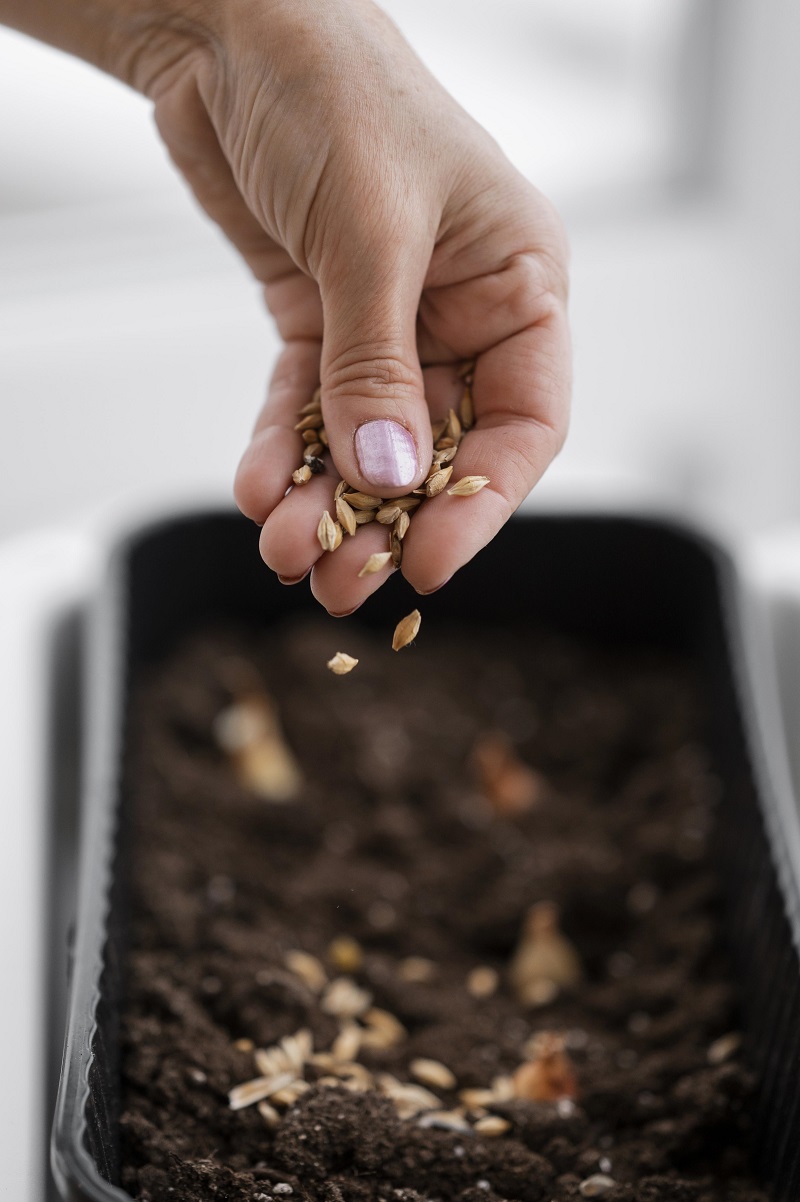
What if you could significantly boost your crop yields while cutting fertilizer costs by up to 50%? It sounds too good to be true, but thousands of farmers across the United States are doing exactly that through a proven agronomic practice called seed inoculation. Seed inoculation is one of agriculture’s best-kept secrets—a simple, low-cost technique that harnesses the power of beneficial microorganisms to naturally enhance plant growth and nutrition. Yet many growers, especially those new to farming or organic practices, aren’t taking full advantage of this powerful tool. In this comprehensive guide, you’ll discover everything you need to know about seed inoculation: what it is, why it works, which crops benefit most, and—most importantly—how to properly inoculate seeds for maximum results. Whether you’re managing thousands of acres or tending a small homestead garden, this technique can dramatically improve your bottom line while promoting more sustainable agriculture. What Is Seed Inoculation? Seed inoculation is the process of applying beneficial microorganisms—primarily nitrogen-fixing bacteria—to seeds before planting. These microscopic partners colonize plant roots, forming a symbiotic relationship that benefits both organisms. The bacteria receive carbohydrates from the plant, while the plant gains access to atmospheric nitrogen converted into usable forms. The Science Behind Inoculation The Key Players: The Process: Most Common: Rhizobial Inoculation The most widely used seed inoculation involves Rhizobium, Bradyrhizobium, and related bacteria for legume crops. These bacteria form visible nodules on roots where nitrogen fixation occurs. Nitrogen Fixation Capacity: This nitrogen becomes available not only to the inoculated crop but also to subsequent crops in the rotation. Why Seed Inoculation Matters for Modern Agriculture Economic Benefits Reduced Fertilizer Costs: Increased Yields: Return on Investment: Environmental Benefits Sustainability: Soil Health: Reduced Carbon Footprint: Agronomic Advantages Improved Plant Health: Crop Rotation Benefits: Crops That Benefit from Seed Inoculation Primary Legume Crops (Rhizobia Inoculation) Field Crops: Forage Legumes: Cover Crops: Non-Legume Crops with Inoculation Options Co-Inoculation with Azospirillum: Mycorrhizal Inoculation: Types of Seed Inoculation Methods Understanding different application methods helps you choose the best approach for your operation. Method 1: On-Seed Application Description: Inoculant applied directly to seeds before planting Best For: Types: Advantages: Disadvantages: Method 2: In-Furrow Application Description: Inoculant applied directly into seed furrow at planting Best For: Application: Advantages: Disadvantages: Method 3: Co-Inoculation Description: Applying multiple beneficial microorganisms together Common Combinations: Benefits: Considerations: How to Inoculate Seeds: Complete Step-by-Step Guide Follow these detailed steps for successful seed inoculation. Step 1: Select the Right Inoculant Critical Factors: Crop-Specific Match: Quality Indicators: Where to Purchase: Cost Range: $3-8 per acre (on-seed); $8-15 per acre (in-furrow) Step 2: Prepare Your Workspace Requirements: Avoid: Step 3: Check Seed Treatment Compatibility Critical Consideration: Many fungicide and insecticide seed treatments are toxic to rhizobia. Compatibility Check: If Incompatible: Generally Compatible: Often Incompatible: Step 4: Prepare Sticker Solution (For Liquid/Powder Inoculants) A sticker helps inoculant adhere to seeds and protects bacteria during handling. Homemade Sugar Solution (Most Common): Alternative Stickers: Application Rate: Step 5: Apply Inoculant to Seeds For Peat-Based (Powder) Inoculants: For Liquid Inoculants: Step 6: Dry Seeds in Shade Critical Step: Step 7: Plant Within Optimal Window Timing is Critical: Best: Plant within 8 hours of inoculationAcceptable: Within 24 hoursMaximum: 48 hours (significant bacteria loss occurs) Why Timing Matters: Storage If Delayed: Step 8: Planting Considerations Planter Settings: Soil Conditions: Depth: In-Furrow Application Method For larger operations or when on-seed inoculation isn’t feasible. Equipment Requirements Liquid Injection System: Pump Options: Cost: $1,000-3,000 for complete system (varies by planter size) Application Procedure Verifying Success: Nodulation Check When to Check Timing: 4-6 weeks after planting (varies by crop and conditions) Soybeans: 4-5 weeksAlfalfa: 5-6 weeksPeas/Beans: 4-5 weeks How to Evaluate Nodulation Field Inspection: Scoring System: Excellent: 10+ pink nodules per plantGood: 5-9 pink nodules per plantFair: 2-4 nodules, some pinkPoor: 0-1 nodules or all white/gray What If Nodulation Is Poor? Possible Causes: Solutions: Troubleshooting Common Problems Problem: Seeds Won’t Flow Through Planter Cause: Too much sticker or inoculant; seeds clumping Solutions: Problem: Poor Germination Cause: Excessive moisture from inoculation process Solutions: Problem: No Nodules Forming Cause: Multiple possibilities (see verification section above) Solutions: Problem: Uneven Inoculant Coverage Cause: Inadequate mixing Solutions: Problem: Inoculant Effectiveness Concerns Cause: Storage or handling issues Solutions: Best Practices for Maximum Success Storage Guidelines Before Opening: After Opening: Timing Recommendations Best Times to Inoculate: Avoid: Record Keeping Document your inoculation practices: This data helps refine practices and demonstrates value. Economic Analysis: Does Inoculation Pay? Cost-Benefit Example (Soybeans, 100 acres) Costs: Benefits: Net Benefit: $8,400ROI: 1,400% Even with modest yield improvements, inoculation consistently proves profitable. Frequently Asked Questions Q: Do I need to inoculate every year?A: For most field crops, yes. While some bacteria persist in soil, annual inoculation ensures adequate populations and introduces improved bacterial strains. Q: Can I inoculate and plant the next day?A: Acceptable but not ideal. Plant within 24 hours maximum; 8 hours is better. Bacteria viability decreases over time. Q: Will inoculation work if I’ve grown legumes on this field before?A: Yes, and you should still inoculate. Native populations may be inadequate or inefficient. Fresh inoculant introduces superior strains. Q: Is organic inoculant different from conventional?A: The bacteria are the same, but organic-certified products use approved carriers and have been certified by organic certifiers. Q: Can I mix inoculant with fungicide in the planter box?A: Generally no. Most fungicides kill bacteria. Use in-furrow application if seeds are treated, or check compatibility. Q: Does soil nitrogen level affect inoculation success?A: Yes. High soil nitrogen (>40 ppm) suppresses nodulation. Plants won’t form nodules if adequate N is already available. Quick Reference Checklist Before Inoculating: During Inoculation: At Planting: After Planting: Conclusion: Invest in Inoculation for Better Returns Seed inoculation represents one of agriculture’s highest-return investments. For a minimal cost of $3-8 per acre, you can significantly boost yields, reduce fertilizer expenses, improve soil health, and contribute to more sustainable farming practices. Key Takeaways ✅ Proper inoculation can fix 100-250 lbs N/acre naturally✅ ROI typically exceeds 500-1000% on legume crops✅ Match inoculant species to your specific crop✅ Keep bacteria cool and
How to Plant Carrots: Step-by-Step Guide for Perfect Homegrown Roots

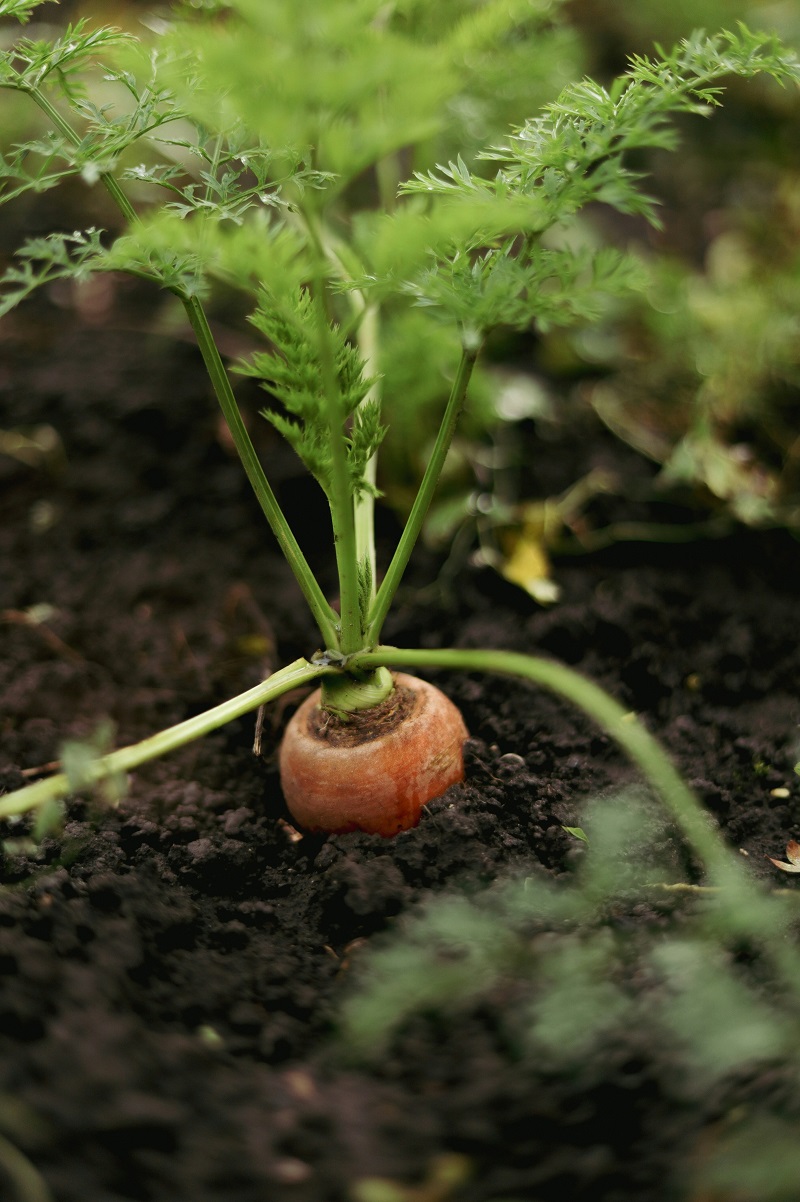
Have you ever pulled a fresh, sweet carrot straight from your garden and tasted the difference? There’s simply no comparison between homegrown carrots and store-bought ones—the flavor, crunch, and sweetness are in a league of their own. The good news? Learning how to plant carrots is surprisingly straightforward, and this vibrant root vegetable thrives in home gardens across the United States. Whether you’re working with a backyard plot, raised beds, or even containers on a patio, carrots can flourish with proper care and the right techniques. In this comprehensive guide, you’ll discover everything you need to know about growing carrots successfully—from selecting the best varieties for your soil to harvesting those perfect, straight roots. Even if you’ve never grown vegetables before, you’ll be pulling sweet, crunchy carrots from your own garden in just a few months. Let’s dig in! Why Grow Your Own Carrots? Carrots (Daucus carota) rank among America’s most beloved vegetables, and for excellent reasons. Here’s why cultivating them at home is worth your time: Nutritional Powerhouse Rich in Beta-Carotene: Carrots are loaded with beta-carotene, which your body converts to vitamin A—essential for vision, immune function, and skin health. Additional Nutrients: Growing Advantages Space Efficient: Carrots grow downward, not outward, making them ideal for intensive planting and small gardens. Long Harvest Window: Different varieties mature at different rates, allowing staggered harvests from 50-80 days. Cool-Season Crop: Perfect for spring and fall gardens when many warm-season crops can’t be grown. Container-Friendly: Short varieties thrive in pots, making them accessible for urban gardeners. Storage Capability: Carrots store exceptionally well—in the ground, refrigerator, or root cellar—providing fresh produce for months. Flavor Superior: Homegrown carrots taste sweeter and more complex than commercial varieties, which are bred for shipping durability rather than flavor. Economic and Environmental Benefits Cost-Effective: A $3 seed packet produces $30-50 worth of carrots at grocery store prices. Pesticide-Free: Control exactly what touches your food by using organic methods. Sustainability: Reduce food miles and plastic packaging by growing your own. Understanding Carrot Varieties: Choosing the Right Type Carrots come in various shapes, sizes, and colors—selecting the right variety for your soil type is crucial for success. Carrot Types by Length and Shape Nantes Types (6-7 inches, Cylindrical) Best for: Most soil types, sweetest flavor, fresh eating Popular Varieties: Ideal For: All-purpose growing, best flavor, container gardens Chantenay Types (5-6 inches, Conical/Stout) Best for: Heavy or clay soils, shorter growing season Popular Varieties: Ideal For: Challenging soils, storage, juice production Danvers Types (6-8 inches, Tapered) Best for: Heavy soils, high yields Popular Varieties: Ideal For: Traditional gardens, canning, general purpose Imperator Types (8-10 inches, Long and Slender) Best for: Deep, sandy, rock-free soils only Popular Varieties: Ideal For: Sandy soils, commercial appearance, market sales Note: Most prone to forking and deformity in less-than-perfect soil Baby/Miniature Carrots (3-4 inches, Round or Short) Best for: Containers, shallow soils, poor soils Popular Varieties: Ideal For: Container growing, children’s gardens, difficult soils Specialty and Heirloom Colors Purple Carrots: Yellow Carrots: White Carrots: Rainbow Mixes: When to Plant Carrots: Timing for Success Carrots are cool-season crops that produce the best flavor in moderate temperatures. Ideal Growing Conditions Temperature Preferences: Avoid: Hot summer weather (above 80°F consistently) causes: Regional Planting Guide Northern States (Zones 3-6): Mid-Atlantic/Midwest (Zones 6-7): Southern States (Zones 8-10): Pacific Northwest: Southwest (Hot, Arid): Succession Planting Strategy For continuous harvest, plant every 2-3 weeks: Week 1: Plant variety 1 (early maturing)Week 3: Plant variety 2Week 5: Plant variety 3Week 7: Plant variety 1 again Continue through spring or late summer for fall harvest. How to Plant Carrots: Complete Step-by-Step Guide Now let’s explore the detailed process of growing perfect carrots. Step 1: Site Selection Sunlight Requirements: Location Considerations: Good Companion Plants: Poor Companions: Step 2: Soil Preparation (Most Critical Step!) Soil preparation determines whether you’ll harvest beautiful carrots or forked, stunted roots. Ideal Soil Profile: Preparation Steps: 1. Test Soil pH 2. Deep Tillage 3. Remove Compaction 4. Add Organic Matter 5. Avoid Fresh Manure or High Nitrogen 6. Final Preparation Pro Tip for Heavy Clay Soil: Pro Tip for Very Sandy Soil: Step 3: Planting Carrot Seeds Carrots must be direct-seeded—they cannot be successfully transplanted. Seed Characteristics: Planting Methods: Traditional Row Seeding: Wide-Row Planting: Container Planting: Seed Tape Method: Step 4: Watering During Germination (Critical!) The first 2-3 weeks are crucial—consistent moisture is essential. Germination Phase (Days 1-21): Signs of Problems: Pro Tip: Lay damp burlap over seeded rows until germination begins—remove immediately when sprouts appear. Step 5: Thinning Carrots (Essential Step!) Thinning is tedious but absolutely necessary for good roots. When to Thin: Final Spacing: How to Thin: Why Thinning Matters: Step 6: Ongoing Care and Maintenance Watering Established Plants: General Guidelines: Watering Schedule: Check Soil Moisture: Mulching: Apply 2-3 inches of mulch after seedlings are 3-4 inches tall: Benefits: Weeding: Critical during early growth: Fertilization: General Rule: Carrots need low nitrogen, higher phosphorus and potassium. Fertilizer Schedule: Organic Options: Signs of Nutrient Issues: Common Problems When Growing Carrots Pest Management Pest Damage Control Methods Carrot Rust Fly Tunnels in roots, stunted growth Row covers, crop rotation, delayed planting, harvest early Wireworms Tunnels and holes in carrots Crop rotation, trap crops, beneficial nematodes Aphids Distorted foliage, transmit viruses Insecticidal soap, strong water spray, beneficial insects Carrot Weevils Feeding on leaves, larvae bore into crowns Row covers, crop rotation, handpicking adults Deer and Rabbits Eat foliage Fencing, repellents, motion-activated sprinklers Integrated Pest Management: Disease Issues Disease Symptoms Prevention/Treatment Leaf Blight (Alternaria) Dark spots on leaves, yellowing Crop rotation, resistant varieties, fungicide if severe Cercospora Leaf Spot Circular spots with yellow halos Remove infected leaves, improve air circulation, rotate crops Cavity Spot Sunken spots on roots Ensure adequate calcium, avoid overwatering, improve drainage Root-Knot Nematodes Galls on roots, stunted plants Rotate with non-host crops, soil solarization, resistant varieties Physical Problems Forking (Split/Multiple Roots): Causes: Prevention: Hairy/Fibrous Roots: Causes: Prevention: Green Shoulders: Causes: Prevention: Cracking: Causes: Prevention: Bitter Taste: Causes: Prevention: Harvesting Carrots: Timing and Techniques Days to Maturity: How to Tell When Carrots
How to Plant Lettuce: Complete Growing Guide for Fresh Homegrown Greens

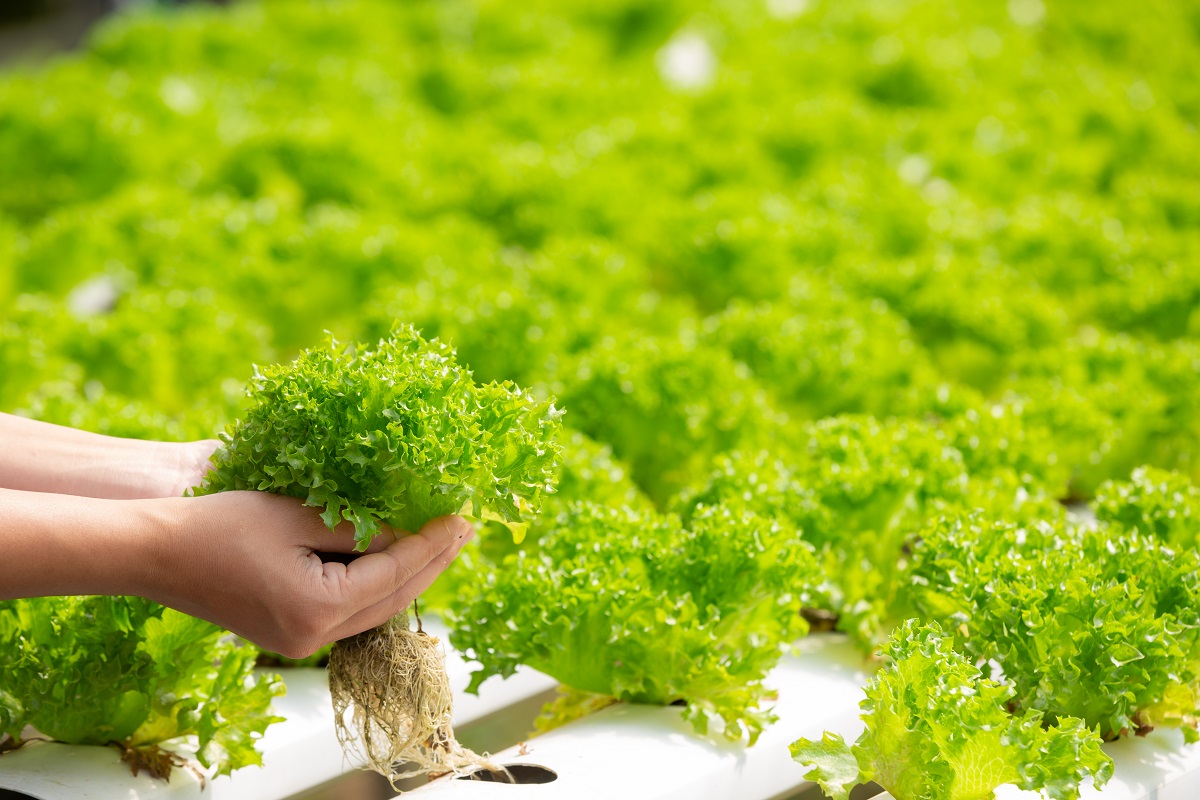
Imagine stepping into your garden and harvesting fresh, crisp lettuce leaves for tonight’s salad—no pesticides, no plastic packaging, just pure, homegrown goodness. The best part? Learning how to plant lettuce is surprisingly simple, even for complete beginners. Whether you have a sprawling backyard, a small raised bed, or just a few containers on your patio, lettuce is one of the easiest and most rewarding crops you can grow. It matures quickly, doesn’t require much space, and can be grown nearly year-round in many climates. In this comprehensive guide, you’ll discover everything you need to successfully grow lettuce from seed to harvest, including variety selection, planting techniques, care requirements, and troubleshooting tips. Let’s get started on your journey to fresh, delicious homegrown lettuce! Why You Should Learn How to Plant Lettuce Lettuce ranks among America’s most consumed vegetables, and for good reason. Here’s why growing your own makes perfect sense: Nutritional and Economic Benefits Fresh and Nutritious: Homegrown lettuce contains peak nutrients—vitamin A, vitamin K, folate, and fiber—that diminish during storage and transport. Cost-Effective: A single packet of lettuce seeds ($2-4) can produce dozens of heads worth $50+ at grocery store prices. Pesticide-Free: Control exactly what goes on your food by choosing organic growing methods. Year-Round Potential: With proper variety selection and season extension techniques, many regions can harvest lettuce 9-12 months per year. Growing Advantages Quick Maturity: Most lettuce varieties are ready to harvest in 45-70 days, with leaf lettuce providing harvests even sooner. Space Efficient: Lettuce requires minimal space—ideal for small gardens, containers, or intercropping between slower-growing vegetables. Succession Planting: Plant small amounts every 2-3 weeks for continuous harvests throughout the growing season. Beginner-Friendly: Few crops are more forgiving or easier to grow than lettuce, making it perfect for first-time gardeners. Market Potential: For small-scale farmers, specialty lettuce varieties command premium prices at farmers markets and restaurants ($4-8 per head for gourmet varieties). Understanding Lettuce: Types and Varieties Before learning how to plant lettuce, familiarize yourself with the main types available: Leaf Lettuce (Loose-Leaf) Characteristics: Loose, non-heading leaves that can be harvested individually or as a whole plant. Popular Varieties: Best For: Continuous “cut-and-come-again” harvesting, containers, beginners Butterhead (Bibb/Boston) Characteristics: Loose heads with soft, buttery-textured leaves. Popular Varieties: Best For: Gourmet salads, sandwich lettuce, whole-head harvesting Crisphead (Iceberg) Characteristics: Tight, compact heads with crispy, crunchy texture. Popular Varieties: Best For: Tacos, burgers, coleslaw-style salads, commercial production Note: Crisphead types are more challenging to grow and require longer seasons. Romaine (Cos) Characteristics: Upright growth with elongated, crisp leaves and strong ribs. Popular Varieties: Best For: Caesar salads, grilling, wraps, heat-tolerant gardens Specialty and Heirloom Lettuce Batavian (French Crisp): Combines crispness with loose-leaf ease Asian Greens: Not true lettuce but often grown similarly Choosing the Right Variety For Hot Climates (Zones 8-11): Choose heat-tolerant varieties: Jericho, Nevada, Red Sails, Parris Island Cos For Cool Climates (Zones 3-6): Most lettuce thrives, especially: Buttercrunch, Black Seeded Simpson, Tom Thumb For Containers: Compact varieties: Tom Thumb, Little Gem, Salad Bowl, any loose-leaf types For Extended Harvest: Loose-leaf varieties: Harvest outer leaves while plants continue producing For Market Sales: Colorful mixes: Blend red and green varieties for attractive “mesclun” blends When to Plant Lettuce: Timing for Success Lettuce is a cool-season crop that performs best in moderate temperatures. Ideal Growing Temperatures Optimal Range: 60-70°F (day temperatures)Germination: 40-80°F (best at 68-75°F)Tolerable Range: 45-75°FStress Begins: Above 75°F (bolting risk increases) Planting Schedule by Region Northern States (Zones 3-6): Mid-Atlantic/Midwest (Zones 6-7): Southern States (Zones 8-11): Pacific Northwest: Desert Southwest: Succession Planting Strategy Plant small amounts every 10-14 days for continuous harvest: Week 1: Plant batch 1Week 2-3: Plant batch 2Week 4-5: Plant batch 3Week 6-7: Harvest batch 1, plant batch 4 Continue this cycle for fresh lettuce all season. How to Plant Lettuce: Step-by-Step Guide Now let’s get into the details of planting lettuce successfully. Step 1: Site Selection Choose a location with: Light Requirements: Accessibility: Plant near kitchen for easy harvesting Companion Planting: Lettuce grows well near: Avoid Planting Near: Step 2: Soil Preparation Lettuce has specific soil preferences that affect success. Soil Type: Loamy, well-draining soil rich in organic matterpH Level: 6.0-6.8 (slightly acidic to neutral)Texture: Loose and friable (lettuce has shallow roots) Preparation Steps: Container Growing: If growing in containers: Step 3: Planting Lettuce Seeds You have two main options: direct seeding or starting transplants. Direct Seeding (Most Common Method): Timing: When soil temperature reaches 40°F Starting Transplants Indoors: Timing: Start 4-6 weeks before outdoor planting date Broadcast Seeding (Mesclun Style): For baby lettuce and salad mixes: Step 4: Watering Requirements Consistent moisture is critical for quality lettuce. Watering Schedule: Seedling Stage: Growing Stage: Pre-Harvest: Watering Best Practices: Timing: Water early morning (reduces disease risk)Method: Drip irrigation or soaker hoses preferred (keeps foliage dry)Technique: Water soil, not leavesMulch: Apply 1-2 inches of straw to retain moisture Signs of Water Stress: Essential Care for Growing Lettuce Proper ongoing care ensures healthy, productive plants. Fertilization Lettuce is a light to moderate feeder requiring consistent nutrition. Fertilization Schedule: At Planting: Sidedressing (2-3 weeks after planting): Foliar Feeding (optional): Organic Options: Warning: Avoid over-fertilizing—excess nitrogen reduces flavor and increases nitrate content. Mulching Mulch provides multiple benefits for lettuce: Benefits: Best Mulches: Application: Apply after seedlings are 3-4 inches tall Weed Control Lettuce’s shallow roots don’t compete well with weeds. Control Methods: Temperature Management Lettuce performs best in cool conditions—manage heat stress: In Hot Weather: In Cold Weather: Pest and Disease Management Common Pests: Pest Symptoms Organic Control Aphids Clustered on leaves, sticky residue Insecticidal soap, strong water spray, ladybugs Slugs and Snails Irregular holes, slime trails Beer traps, diatomaceous earth, hand-picking Cutworms Seedlings cut at soil line Collars around stems, Bt spray Cabbage Loopers Large holes in leaves Bt (Bacillus thuringiensis), row covers Leaf Miners Winding trails in leaves Remove affected leaves, row covers Common Diseases: Disease Symptoms Prevention/Treatment Downy Mildew Yellow patches, white fungus on undersides Good air circulation, avoid overhead watering, resistant varieties Bottom Rot Lower leaves rot at soil contact Improve drainage, avoid overwatering,
Types of Grass: Complete Guide to Choosing the Right Lawn for Your Yard

Introduction: Why Choosing the Right Grass Saves Time and Money Have you ever planted a lawn only to watch it turn brown and patchy within months? Or maybe your grass requires constant watering, mowing, and still looks mediocre? If so, the problem likely wasn’t lack of care—it was choosing the wrong type of grass for your specific conditions. Every grass species has unique characteristics. Some thrive in full sun while others prefer shade. Some handle heavy foot traffic while others are delicate. Some need frequent watering while others survive drought conditions. The good news? After reading this comprehensive guide, you’ll know exactly which grass to choose for your specific situation. We’ll explore the major types of grass available in the United States, understand their distinct characteristics, and learn the step-by-step process for planting and maintaining a beautiful lawn. Get ready to achieve the lawn of your dreams without wasting money on replanting or spending excessive time on maintenance. Let’s dive in! What to Consider Before Choosing Your Grass Type Before purchasing any grass seed or sod, analyze your property and specific needs. Here are the critical factors: Sun Exposure and Shade This is the most important factor. Measure how many hours of direct sunlight your lawn area receives daily: Each grass type has specific light requirements. Choosing incorrectly here guarantees failure. Traffic and Foot Activity Consider how your lawn will be used: Some grasses recover quickly from wear while others show damage easily. Water Availability and Climate Evaluate your situation: Some grasses are drought-tolerant while others need consistent moisture. Regional Climate Zone Different grasses perform best in specific climate zones: Cool-Season Grasses: Best for northern states (USDA Zones 3-7) Warm-Season Grasses: Best for southern states (USDA Zones 7-11) Transition Zone: Central states face challenges with both types Maintenance Time and Effort Be realistic about your available time: Budget Considerations Costs vary significantly between grass types: Types of Grass: Understanding Cool-Season vs. Warm-Season Varieties Before exploring specific types, understand the two main categories: Cool-Season Grasses Growing Season: Spring and fallPeak Performance: 60-75°FBest Climate Zones: Northern and transition zonesWinter Behavior: Stay green (may slow growth)Summer Behavior: May brown or stress in extreme heat Warm-Season Grasses Growing Season: Late spring through summerPeak Performance: 80-95°FBest Climate Zones: Southern and transition zonesWinter Behavior: Go dormant and turn brownSummer Behavior: Thrive in heat Cool-Season Grass Types: Best for Northern Climates Kentucky Bluegrass (Poa pratensis) Kentucky Bluegrass is the most popular cool-season grass and is considered the gold standard for Northern lawns. Characteristics: Ideal For: Full sun to light shade. Residential lawns, parks, athletic fields in northern states. Advantages: Disadvantages: Maintenance Level: HighCost: $3-6 per pound of seed; $0.40-0.70 per sq ft for sod Perennial Ryegrass (Lolium perenne) Perennial Ryegrass is prized for quick establishment and wear tolerance. Characteristics: Ideal For: Full sun to partial shade. High-traffic areas, sports fields, quick-fix repairs, overseedin. Advantages: Disadvantages: Maintenance Level: Moderate to highCost: $2-4 per pound of seed; $0.35-0.60 per sq ft for sod Tall Fescue (Festuca arundinacea) Tall Fescue is the workhorse of cool-season grasses—tough, adaptable, and low-maintenance. Characteristics: Ideal For: Full sun to moderate shade. Drought-prone areas, low-maintenance lawns, transition zones, heavy clay soils. Advantages: Disadvantages: Maintenance Level: Low to moderateCost: $2-5 per pound of seed; $0.35-0.55 per sq ft for sod Fine Fescues (Multiple Species) Fine Fescues include several species: creeping red fescue, chewings fescue, hard fescue, and sheep fescue. Characteristics: Ideal For: Shaded areas, low-traffic zones, low-maintenance lawns, natural/no-mow areas, mixing with other grasses. Advantages: Disadvantages: Maintenance Level: Very lowCost: $3-6 per pound of seed Warm-Season Grass Types: Best for Southern Climates Bermudagrass (Cynodon dactylon) Bermudagrass is the king of warm-season grasses—incredibly durable and widely used for sports fields. Characteristics: Ideal For: Full sun. Athletic fields, golf courses, high-traffic residential lawns, southern states, coastal areas. Advantages: Disadvantages: Maintenance Level: HighCost: $4-8 per pound of seed; $0.40-0.75 per sq ft for sod Zoysiagrass (Zoysia species) Zoysiagrass creates a dense, carpet-like lawn that’s both beautiful and durable. Characteristics: Ideal For: Full sun to light shade. Residential lawns, commercial landscapes, transition zone, areas with moderate traffic. Advantages: Disadvantages: Maintenance Level: ModerateCost: $0.45-0.85 per sq ft for sod (seed rarely available) St. Augustinegrass (Stenotaphrum secundatum) St. Augustinegrass is the most popular choice for coastal and Gulf Coast regions. Characteristics: Ideal For: Full sun to moderate shade. Coastal areas, Gulf Coast, Florida, Texas, areas with sandy or saline soils. Advantages: Disadvantages: Maintenance Level: Moderate to highCost: $0.35-0.65 per sq ft for sod (not available as seed) Centipedegrass (Eremochloa ophiuroides) Centipedegrass is the low-maintenance choice for homeowners seeking an easier lawn. Characteristics: Ideal For: Full sun to light shade. Low-maintenance lawns, acidic soils, Southeast U.S., areas with limited lawn care time. Advantages: Disadvantages: Maintenance Level: Very lowCost: $0.30-0.55 per sq ft for sod; $4-7 per pound of seed Bahiagrass (Paspalum notatum) Bahiagrass is the tough, economical choice for large areas and low-input situations. Characteristics: Ideal For: Full sun. Large areas, roadsides, pastures, coastal areas, low-budget projects, sandy soils. Advantages: Disadvantages: Maintenance Level: Very lowCost: $2-4 per pound of seed; $0.25-0.45 per sq ft for sod Buffalograss (Bouteloua dactyloides) Buffalograss is a native prairie grass gaining popularity for sustainable, low-water lawns. Characteristics: Ideal For: Full sun. Great Plains region, drought-prone areas, low-maintenance lawns, water-conservation landscapes, native plantings. Advantages: Disadvantages: Maintenance Level: Very lowCost: $5-8 per pound of seed; $0.40-0.65 per sq ft for sod Which Grass to Choose: Matching Types to Your Situation Now that you know the options, let’s simplify your decision: For Full Sun Residential Lawns Northern States (Cool-Season):Best: Kentucky Bluegrass—beautiful, durable, self-repairingAlternative: Tall Fescue for lower maintenance Southern States (Warm-Season):Best: Zoysiagrass—dense, attractive, moderate maintenanceAlternative: Bermudagrass if you want maximum durability For Shaded Yards Northern States:Best: Fine Fescues—best shade tolerance availableAlternative: Tall Fescue for moderate shade Southern States:Best: St. Augustinegrass—only warm-season option that truly handles shadeAlternative: Zoysiagrass for light shade situations For Athletic Fields and High-Traffic Areas Northern States:Best: Perennial Ryegrass—fast recovery, wear-tolerantAlternative: Kentucky Bluegrass blend Southern States:Best: Bermudagrass—industry standard for sports turfAlternative: Zoysiagrass for slower traffic For Yards with
How to Plant Pineapple: A Practical Guide for Home Gardens and Small Farms

Introduction Did you know you can grow your own pineapples, even in containers or limited spaces? This tropical delicacy isn’t just for large-scale plantations—home gardeners and small-scale farmers across the United States are discovering the joy of cultivating this sweet, nutritious fruit right in their own backyards. Whether you’re in Florida, Hawaii, Southern California, or even growing indoors in cooler climates, this comprehensive guide will show you exactly how to plant pineapple and nurture it through a successful harvest. The best part? You can start with nothing more than the crown from a store-bought pineapple! Why Growing Pineapples Is Worth Your Time Pineapple cultivation offers unique advantages for home gardeners and small-scale producers looking to diversify their crops. Economic and Practical Benefits Low Startup Costs: You can literally start from kitchen scraps—the crown of a grocery store pineapple becomes your free planting material. Minimal Maintenance: Once established, pineapples require less intensive care than many fruit crops, making them ideal for part-time gardeners. Strong Market Value: Fresh, locally grown pineapples command premium prices at farmers markets and specialty stores, with organic varieties fetching even higher returns. Versatile Growing Options: From large field operations to single container plants on patios, pineapples adapt to various growing situations. Nutritional and Culinary Appeal Pineapples are packed with: Fresh-picked pineapples offer incomparable sweetness and flavor compared to shipped fruit, making them a garden treasure. Growing Season Advantages Cycle Time: 18-24 months from planting to harvest (varies by climate)Yield: One plant produces one fruit per cycle, with potential for ratoon cropsContinuous Production: Staggered plantings ensure year-round harvests in suitable climates Understanding Pineapple Plant Basics Before diving into how to plant pineapple, let’s understand what you’re growing. Plant Characteristics Pineapples (Ananas comosus) are herbaceous perennials in the Bromeliaceae family. Key features include: Common Pineapple Varieties for Home Growing Smooth Cayenne: Most common commercial variety, large fruit, moderate acidQueen Victoria: Smaller, very sweet, compact plant, ideal for containersSugarloaf (Kona): White flesh, extremely sweet, no acid, spineless leavesRed Spanish: Aromatic, hardy, tolerates cooler temperaturesPernambuco (Eleuthera): Small, intensely flavored, excellent for eating fresh For home gardens, Smooth Cayenne and Sugarloaf varieties offer the best balance of flavor, size, and growing ease. Step 1: Selecting and Preparing Your Pineapple Planting Material The first step in learning how to plant pineapple is choosing the right propagation material. Propagation Methods Crown (Top): The leafy top of the fruit—easiest method for home growersSlips: Small plantlets growing at the base of the fruitSuckers: Shoots emerging from the stem below the fruitRatoons: New plants growing from the base after the main plant fruits Best Method for Beginners: Crown propagation from a fresh pineapple How to Prepare a Pineapple Crown Step-by-Step Crown Preparation: Pro Tip: Apply rooting hormone powder to the base before planting to accelerate root development, though it’s not strictly necessary. Step 2: Climate Requirements for Growing Pineapples Understanding climate needs is crucial when learning how to plant pineapple successfully. Ideal Growing Conditions Temperature Range: Sunlight Requirements: Rainfall/Water Needs: Growing Zones in the United States Outdoor Year-Round Growing: Outdoor Summer/Indoor Winter: Indoor Growing: Frost Protection Critical: Pineapples cannot tolerate frost. In borderline zones: Step 3: Soil Preparation for Planting Pineapple Proper soil conditions dramatically impact pineapple success. Soil Requirements Texture: Sandy loam or well-drained loamy soilDrainage: Excellent drainage is non-negotiable (pineapples rot in waterlogged soil)Depth: 12-18 inches minimum for adequate root developmentOrganic Matter: Rich in compost or aged manure pH Level: 4.5 to 6.5 (acidic to slightly acidic) Soil Mix Recipes For In-Ground Planting: For Container Growing: Avoid: Heavy clay soils, compacted earth, or soils that stay wet Container Selection If growing in pots: Step 4: How to Plant Pineapple—Complete Planting Instructions Now for the main event: actually planting your pineapple! Timing Your Planting Best Time to Plant: Avoid: Planting during extreme heat or cold snaps In-Ground Planting Method Step 1: Site Selection Step 2: Prepare the Planting Hole Step 3: Plant the Crown Step 4: Initial Watering Step 5: Mulch Application Container Planting Method Step 1: Prepare Container Step 2: Create Planting Pocket Step 3: Plant and Stabilize Step 4: Water and Position Step 5: Essential Care for Growing Pineapples Consistent care ensures healthy plants and quality fruit. Watering Schedule Pineapples are surprisingly drought-tolerant but produce best with consistent moisture. General Guidelines: Special Technique: Fill the central cup with water during dry periods—pineapples can absorb moisture through their leaves. Overwatering Signs: Underwatering Signs: Fertilization Program Pineapples are moderate feeders requiring regular nutrients. Fertilizer Schedule: Months 1-3 (Establishment): Months 4-12 (Vegetative Growth): Months 13+ (Pre-Fruiting/Fruiting): Micronutrient Needs: Application Method: Sprinkle granular fertilizer in a circle 6 inches from plant base, water in thoroughly. Weed Control Weeds compete for nutrients and water—critical in the first year. Control Methods: Step 6: Flowering and Fruiting Understanding the fruiting process helps you maximize your harvest. Natural Flowering Timeline Vegetative Phase: 12-16 monthsFlowering Trigger: Plant must reach mature size (16-20 months in ideal conditions)Fruit Development: 5-6 months from flowering to ripe fruit Total Time: 18-24 months from planting crown to harvest (can be longer in suboptimal conditions) Forcing Flowering (Advanced Technique) Commercial growers force flowering for scheduled harvests. Home growers can use this technique: Ethylene Gas Method: Calcium Carbide Method (less recommended): When to Force: Only when plant has 40-50 mature leaves (typically 12+ months old) Fruit Development Stages Week 1-2: Flowering stalk emerges from centerWeek 3-6: Individual flowers bloom (purple/blue)Week 7-12: Tiny fruitlets fuse into single fruitWeek 13-20: Fruit enlarges and maturesWeek 21-24: Color changes from green to yellow/gold Step 7: Harvesting Your Pineapple Knowing when and how to harvest ensures peak flavor. Signs of Ripeness Visual Cues: Time-Based: 5-6 months after flowering begins Color Guide by Variety: Pro Tip: Pineapples don’t ripen further after harvest, so timing is crucial! Harvesting Technique Tools Needed: Method: Post-Harvest: After Harvest: Ratoon Crops After the main fruit is harvested, the plant will: To encourage ratoons: Alternatively, remove suckers and plant as new starts for expanded production. Growing Pineapples in Containers: Special Considerations Container growing expands pineapple cultivation to any climate. Container-Specific Tips
How to Grow Brussels Sprouts: A Complete Guide for Home Gardens and Small Farms

Introduction Ever thought about growing a nutrient-dense, cold-hardy vegetable that thrives when other crops struggle? Brussels sprouts are a powerhouse crop that rewards patient gardeners with abundant harvests of these miniature cabbage-like gems. Whether you’re a backyard gardener looking to expand your cool-season repertoire or a small-scale farmer seeking a profitable specialty crop, Brussels sprouts offer excellent potential. This complete guide will walk you through everything you need to know about how to plant Brussels sprouts successfully, from site selection to harvest. What Are Brussels Sprouts and Why Grow Them? Brussels sprouts (Brassica oleracea var. gemmifera) belong to the same family as broccoli, cabbage, and kale. These distinctive vegetables produce small, round buds along a thick central stalk, resembling miniature cabbages. Nutritional Powerhouse Brussels sprouts are loaded with: Market Potential Fresh, locally grown Brussels sprouts command premium prices at farmers markets, particularly organic varieties. With consumer demand for specialty vegetables growing, Brussels sprouts represent an excellent niche opportunity for small producers. According to USDA data, Brussels sprouts production remains concentrated in California, creating opportunities for regional growers to serve local markets with ultra-fresh product. How to Plant Brussels Sprouts: Step-by-Step Growing Guide Step 1: Understanding Climate and Growing Season Requirements Brussels sprouts are cool-season crops that actually improve in flavor after light frost. They require: Temperature Range: 45°F to 75°F (optimal 60°F to 65°F)Growing Season: 90-180 days from transplant to harvest Regional Planting Times: Pro Tip: Brussels sprouts need exposure to temperatures below 50°F to develop their best flavor. Plan your planting so sprouts mature during cool weather. Step 2: Soil Preparation for Brussels Sprouts Cultivation Proper soil preparation is crucial for healthy Brussels sprouts development. Soil Requirements: Preparation Steps: Brussels sprouts are heavy feeders, so generous soil preparation pays dividends. Step 3: Starting Seeds vs. Transplants You have two options for how to plant Brussels sprouts: Starting from Seed Indoors Timeline: Start 4-6 weeks before transplanting Direct Seeding Less Common Method: Only suitable in areas with long, cool growing seasons Using Transplants Most Reliable Method: Purchase transplants from nurseries or start your own Transplanting Instructions: Spacing Requirements: Dense spacing reduces sprout size; wider spacing produces larger sprouts. Step 4: Watering Requirements Consistent moisture is essential for Brussels sprouts success. Watering Guidelines: Critical Periods: Warning: Inconsistent watering causes split sprouts and loose heads. Use mulch to maintain even soil moisture. Step 5: Fertilization and Ongoing Care Brussels sprouts have high nitrogen needs throughout their growing season. Fertilization Schedule: At Planting: 3 Weeks After Transplanting: Every 3-4 Weeks: Additional Care Tasks: Mulching: Apply 2-3 inches of straw or shredded leaves to: Weed Control: Keep beds weed-free, as competition reduces sprout production Staking: In windy areas, stake plants when they reach 12 inches tall Leaf Removal: Some growers remove lower leaves as sprouts develop to improve air circulation and direct energy to sprout formation Step 6: Harvesting Brussels Sprouts Patience pays off with Brussels sprouts—they’re one of the longest-maturing vegetables. Harvest Timeline: How to Tell When Brussels Sprouts Are Ready: Harvesting Technique: Topping: Some growers cut off the growing tip 3-4 weeks before harvest to encourage remaining sprouts to size up uniformly. Storage: Fresh Brussels sprouts keep 3-5 weeks in the refrigerator. They also freeze excellently after blanching. Advanced Tips for Growing Brussels Sprouts Successfully Managing Temperature Extremes In Hot Climates: In Cold Climates: Crop Rotation Strategy Never plant Brussels sprouts (or any brassicas) in the same location more than once every 3-4 years. Rotation Plan: This rotation prevents soil-borne disease buildup and manages nutrient depletion. Companion Planting Good Companions: Poor Companions: Best Brussels Sprouts Varieties for American Gardens For Cold Climates Long Island Improved: Heirloom variety, very cold-hardy, 90-100 daysCatskill: Excellent for northern gardens, reliable producer, 90-110 daysChurchill: Hybrid, uniform sprouts, good cold tolerance, 90 days For Moderate Climates Jade Cross E: Popular hybrid, heat-tolerant, disease-resistant, 90-95 daysDiablo: High yields, good for fall harvest, 110 daysGustus: Sweet flavor, reliable production, 125 days For Mild Winter Areas Red Ball: Colorful variety, anthocyanin-rich, 120 daysNautic: Heat-tolerant hybrid, uniform sprouts, 105 days Frequently Asked Questions Q: Can I grow Brussels sprouts in containers?A: Yes! Use containers at least 12-15 inches deep and 12 inches wide. Ensure excellent drainage and stake plants as they grow tall. Q: Why are my Brussels sprouts loose and not forming tight heads?A: Usually caused by high temperatures during development. Brussels sprouts need cool weather (below 70°F) for proper sprout formation. Q: Do I need to remove the leaves?A: Not necessary, but removing lower leaves as sprouts develop can improve air circulation and make harvesting easier. Q: How do I make Brussels sprouts taste less bitter?A: Harvest after frost—cold temperatures convert starches to sugars. Also, smaller sprouts tend to be sweeter. Q: Can I save seeds from my Brussels sprouts?A: Yes, but they’re biennial, requiring a second year to flower and produce seeds. They also cross-pollinate with other brassicas. From Garden to Table: Enjoying Your Harvest Fresh Brussels sprouts from your garden taste remarkably different from store-bought—sweeter, nuttier, and more tender. Storage Tips: Popular Preparation Methods: Related Reading How to Grow Broccoli: Complete Field and Garden Guide Cool-Season Vegetable Gardening: A Complete Calendar Organic Pest Control for Brassica Crops Conclusion: Is Growing Brussels Sprouts Worth It? Absolutely! While Brussels sprouts require patience and proper timing, they reward growers with: ✅ Premium market value for fresh, local produce✅ Excellent nutritional content for health-conscious consumers✅ Extended harvest period providing income over several weeks✅ Cold-hardy nature filling the gap when other vegetables struggle✅ Low pest pressure compared to many vegetables (with proper management) Whether you’re gardening for your family’s table or growing for market, Brussels sprouts offer a satisfying challenge and delicious results. With the proper site selection, consistent care, and patience through the long growing season, you’ll discover why these mini-cabbages have earned such devoted fans.
How to Propagate Fruit Trees: Complete Step-by-Step Guide for Home Growers

Imagine transforming a single healthy fruit tree into an entire orchard without spending hundreds of dollars at the nursery. Learning how to propagate fruit trees opens up a world of possibilities—from preserving heirloom varieties to establishing a productive homestead or even starting a small nursery business. Propagating fruit trees might seem intimidating at first, but with the right techniques and proper guidance, anyone can successfully multiply their favorite varieties. Whether you’re a backyard gardener looking to expand your orchard or a small-scale farmer seeking cost-effective propagation methods, this comprehensive guide provides everything you need to know. In this article, we’ll walk you through four proven propagation methods—cuttings, air layering, grafting, and seed starting—so you can choose the best technique for your specific fruit trees and growing conditions. Why Learn Fruit Tree Propagation? Propagating your own fruit trees offers numerous advantages for home growers and commercial producers alike. Cost Savings: Quality fruit trees from nurseries typically cost $30-$75 each, with specialty varieties reaching $100+. By propagating your own trees, you can multiply your stock for just pennies per plant—the cost of basic supplies. Genetic Preservation: When you propagate vegetatively (through cuttings, grafting, or air layering), you create genetic clones of the parent tree. This means you preserve the exact characteristics—flavor, disease resistance, productivity—of your best-performing trees. Variety Control: Want to grow an heirloom apple variety that’s no longer commercially available? Propagation allows you to preserve rare cultivars and maintain genetic diversity that’s increasingly lost in modern agriculture. Quality Assurance: By propagating from your own disease-free, vigorous parent trees, you maintain complete control over plant health from day one. You’ll avoid introducing pathogens that sometimes come with nursery stock. Self-Sufficiency: Mastering propagation techniques gives you independence from nurseries and the ability to expand your orchard on your own timeline and budget. Income Opportunity: Once proficient, many growers sell surplus trees at farmers markets or online, creating a supplementary income stream. Understanding Propagation Methods: Choosing the Right Technique Different fruit trees respond best to specific propagation methods. Understanding which technique works for which species ensures your success. Propagation Method Overview Hardwood Cuttings: Best for deciduous trees that root easily from dormant wood (figs, grapes, pomegranates, some plums) Softwood Cuttings: Ideal for trees that root from actively growing tips (blueberries, currants, some cherries) Air Layering: Perfect for trees difficult to root from cuttings (lychee, persimmon, avocado, some citrus) Grafting: Essential for trees that don’t come true from seed or are difficult to root (most apples, pears, stone fruits, citrus) Seed Propagation: Suitable for rootstock production and some true-breeding varieties (pawpaw, persimmon, some citrus, mulberry) Let’s explore each method in detail. Method 1: How to Propagate Fruit Trees from Cuttings Cutting propagation is the simplest method for suitable species, requiring minimal equipment and producing results within weeks to months. Best Fruit Trees for Cuttings Excellent Success Rate: Moderate Success Rate: Step-by-Step Hardwood Cutting Process Timing: Take cuttings during dormancy (late fall through late winter) when trees are leafless. Materials Needed: Procedure: Pro Tip: Take 3-4 times more cuttings than needed, as success rates vary. Even experienced propagators expect 50-80% success with most species. Method 2: Air Layering for Difficult-to-Root Trees Air layering (also called marcottage) is an ancient technique that produces rooted plants while still attached to the parent tree—a huge advantage for challenging species. Best Fruit Trees for Air Layering Step-by-Step Air Layering Process Timing: Spring through early summer when trees are actively growing. Materials Needed: Procedure: Success Rate: 70-90% with proper technique and suitable species. Method 3: Grafting Fruit Trees for Superior Results Grafting combines the rootstock of one tree with the scion (fruiting wood) of another, creating a superior tree that combines the best traits of both parents. Why Graft Fruit Trees? Advantages: Best Fruit Trees for Grafting Excellent candidates: Basic Grafting Method: Cleft Graft The cleft graft works well for beginners and is effective for grafting scions to larger rootstock branches. Timing: Late winter to early spring, just before buds break (February-April depending on region) Materials Needed: Procedure: Success Indicators: Success Rate: 60-85% for beginners; 90%+ with experience Method 4: Growing Fruit Trees from Seed While many fruit trees don’t come “true to type” from seed (meaning seedlings may differ from parent), seed propagation has its place. When to Use Seed Propagation Appropriate Uses: Not Recommended: Best Fruit Trees from Seed Breed relatively true: Step-by-Step Seed Propagation Timing: Fall for stratification, spring for direct planting Seed Processing: Planting Process: Germination Times: Essential Tips for Successful Fruit Tree Propagation Creating the Ideal Environment Temperature Control: Humidity Management: Light Requirements: Rooting Medium Best Practices Characteristics of Good Medium: Recommended Mixes: Sanitation and Disease Prevention Critical Practices: Common Propagation Problems and Solutions Issue: Cuttings Rot Before Rooting Causes: Solutions: Issue: Cuttings Dry Out and Die Causes: Solutions: Issue: Grafts Fail to Take Causes: Solutions: Issue: Air Layers Don’t Root Causes: Solutions: Building Your Propagation Schedule Spring (March-May) Summer (June-August) Fall (September-November) Winter (December-February) Recommended Resources for Fruit Tree Propagation Books: Online Resources: Supplies: Conclusion: Start Propagating Your Fruit Tree Collection Mastering fruit tree propagation opens endless possibilities for expanding your orchard, preserving heirloom varieties, and even generating income. While each method requires practice and patience, the rewards far exceed the modest investment of time and materials. Start with easier species like figs or grapes using simple cutting techniques. As you gain confidence, progress to air layering and eventually grafting. Before long, you’ll possess the skills to propagate virtually any fruit tree you desire. The journey from cutting to fruiting tree is deeply satisfying—combining practical knowledge, botanical science, and hands-on skill. Every successfully rooted cutting or thriving graft represents your growing expertise and self-sufficiency. Ready to begin? Choose one method, gather your supplies, and start propagating this week. Your future orchard awaits!
How to Grow Avocados: Complete Guide to Profitable Avocado Cultivation

Did you know that growing avocados can be both a lucrative agricultural venture and a source of one of the world’s most nutritious superfoods? Avocados have exploded in popularity across America, with consumption reaching record highs and retail prices reflecting strong market demand. Whether you’re a homesteader looking to enjoy homegrown guacamole or a commercial grower seeking a profitable specialty crop, avocado cultivation offers exceptional opportunities. In this comprehensive guide, we’ll show you exactly how to plant avocados and manage them from seedling to harvest, even if you’ve never grown fruit trees before. Let’s dive into everything you need to know about successful avocado farming. Why Invest in Avocado Cultivation? Avocados (Persea americana) are nutritional powerhouses packed with heart-healthy monounsaturated fats, vitamins A, C, E, K, and B-complex, along with potassium, fiber, and folate. These creamy fruits have become a staple in American cuisine, driving unprecedented market growth. Market Opportunity: The U.S. avocado market exceeds $3 billion annually, with per capita consumption tripling over the past two decades. California produces 90% of domestic avocados, but growing demand creates opportunities for growers in suitable regions including Florida, Texas, Hawaii, and parts of the Southeast. Agricultural Advantages: Climate Versatility: Different avocado varieties adapt to various climates, from tropical South Florida to Mediterranean-style California, making cultivation possible in USDA Zones 8-11. Understanding Avocado Varieties for American Growers Selecting the right variety for your climate is critical for success. Avocados fall into three main races with distinct characteristics: Hass (Mexican-Guatemalan Hybrid) America’s Favorite Commercial Variety Fuerte (Mexican-Guatemalan Hybrid) Cold-Hardy Classic Reed (Guatemalan) Summer Specialty Florida Varieties (West Indian Types) For Humid Subtropical Regions Popular Florida cultivars include Choquette, Simmonds, and Monroe. These varieties: Ideal Climate and Soil Conditions for Avocado Growing Climate Requirements Temperature Range: Rainfall and Humidity: Elevation Considerations: Soil Requirements Avocados are notoriously sensitive to soil conditions. Success depends on proper soil selection or amendment. Ideal Soil Characteristics: Critical Warning: Avocados cannot survive in poorly drained or waterlogged soils. Root rot (Phytophthora cinnamomi) is the #1 killer of avocado trees, and it thrives in saturated conditions. Drainage Test: Dig a hole 2 feet deep, fill with water, and observe. If water remains after 24 hours, drainage is inadequate. Consider raised beds or berms. How to Plant Avocados: Step-by-Step Process 1. Soil Preparation and Site Selection Soil Testing: Submit samples to your Cooperative Extension for comprehensive analysis including pH, nutrients, salinity, and texture. pH Adjustment: Organic Matter Enhancement: Planting Site Selection: 2. Selecting and Planting Avocado Trees Tree Selection: Best Planting Time: Planting Procedure: Critical Mistake to Avoid: Never plant avocados deeper than they grew in the nursery container. Deep planting invites root rot and almost guarantees tree death. 3. Essential Care for Young Avocado Trees Irrigation Management Water management makes or breaks avocado cultivation. The challenge is providing adequate moisture while preventing waterlogged conditions. First Year Watering: Established Tree Irrigation: Signs of Water Stress: Signs of Overwatering: Fertilization Program Avocados are heavy feeders requiring regular nutrition for optimal production. Young Trees (Years 1-3): Bearing Trees (4+ years): Organic Options: Mulching Strategy: 4. Pruning Avocado Trees Unlike many fruit trees, avocados require minimal pruning. However, strategic pruning improves tree structure and productivity. Formative Pruning (Years 1-3): Maintenance Pruning (Mature Trees): Important: Avoid heavy pruning—avocados produce fruit on previous year’s growth. Excessive pruning sacrifices next year’s crop. 5. Pest and Disease Management Common Pests: Avocado Lace Bug: Causes stippling and yellowing of leaves Persea Mite: Causes white, dusty appearance on leaves and fruit Thrips: Scar fruit surfaces, reducing marketability Avocado Looper: Caterpillar that defoliates trees Major Diseases: Phytophthora Root Rot: #1 disease threat—fatal if not managed Anthracnose: Brown spots on leaves and fruit Cercospora Spot: Circular leaf spots Integrated Pest Management (IPM): Maximizing Avocado Production Cross-Pollination Strategy Avocados have unique synchronized dichogamy—flowers open in two stages on different days. Type A flowers are receptive to pollen in morning, shed pollen in afternoon the next day. Type B flowers reverse this pattern. Pollination Recommendations: Mulching Benefits Maintain 4-6 inch mulch layer for multiple advantages: Gypsum Application In California and arid regions, gypsum (calcium sulfate) improves: Apply 5-10 pounds per tree annually, incorporated into the root zone. Harvesting Avocados When to Harvest: Unlike most fruits, avocados don’t ripen on the tree. They mature on the tree but ripen after picking. Maturity Indicators: Harvesting Technique: Ripening Process: Expected Yields: Fascinating Avocado Facts Related Resources and Further Reading Recommended Resources: Professional Organizations: Research and Information: Conclusion: Start Your Avocado Growing Journey Growing avocados represents a long-term agricultural investment with impressive returns. While avocados demand specific soil and climate conditions, growers who match variety to location and provide proper care can enjoy decades of productive harvests. From backyard trees providing fresh fruit for your family to commercial orchards generating substantial income, avocado cultivation offers opportunities at every scale. The key to success lies in three fundamentals: selecting appropriate varieties for your climate, ensuring excellent soil drainage, and maintaining consistent care during establishment. With the knowledge from this guide, you’re equipped to avoid common pitfalls and set your trees up for long-term productivity. Ready to plant your avocado orchard? Start by contacting local nurseries that specialize in avocados, connect with your Cooperative Extension office for region-specific guidance, and join avocado grower associations to learn from experienced cultivators.
How to Grow Peaches: Complete Beginner’s Guide to Peach Tree Cultivation

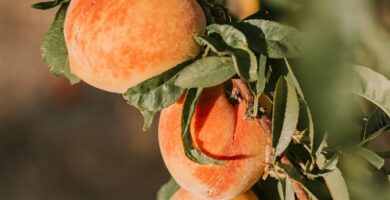
Imagine stepping into your backyard and picking fresh, juicy peaches straight from your own tree. Growing peaches isn’t just a dream—it’s an achievable goal that can transform your homestead or small farm into a productive orchard. Whether you’re a hobby gardener or an aspiring commercial grower, peach cultivation offers both personal satisfaction and excellent profit potential. In this comprehensive guide, we’ll walk you through everything you need to know about how to plant peaches, from selecting the right variety to harvesting your first crop. Even if you’re completely new to fruit tree cultivation, you’ll discover that growing peaches is more straightforward than you might think. What Are Peaches and Why Should You Grow Them? The peach (Prunus persica) is a stone fruit prized for its soft, sweet flesh and aromatic flavor. Rich in vitamins A and C, along with essential minerals like potassium, peaches offer impressive nutritional benefits. These versatile fruits can be enjoyed fresh, canned, baked into desserts, or processed into jams and preserves. Economic Benefits: Peach cultivation represents a lucrative opportunity, especially in regions with suitable climates. According to USDA data, the United States produces over 650,000 tons of peaches annually, with California, South Carolina, and Georgia leading production. Small-scale growers can expect returns of $8,000-$15,000 per acre once trees reach full production. Quick Returns: Unlike many fruit trees that take years to bear fruit, peach trees are fast producers. With proper care, your trees can begin producing fruit in their second or third year, reaching full production by year four or five. How to Plant Peaches: Step-by-Step Growing Guide 1. Choosing the Right Peach Variety Selecting the appropriate peach variety for your climate zone is crucial for success. Peaches require a specific number of “chill hours” (temperatures between 32°F and 45°F) during winter dormancy to produce fruit properly. Here are the top varieties for American growers: Elberta The Classic American Peach Redhaven Early Season Favorite Contender Best for Cold Climates Florida Prince Low-Chill Variety for Warmer Regions 2. Understanding Ideal Climate and Soil Conditions Climate Requirements: Soil Requirements: Critical Caution: Avoid planting in low-lying areas prone to late spring frosts, which can devastate blossoms and eliminate your crop for the season. 3. Preparing Your Planting Site Proper soil preparation sets the foundation for decades of productive growth. Soil Testing: Begin by testing your soil through your local Extension office or with a home test kit. You’ll need to know pH, nitrogen, phosphorus, potassium levels, and organic matter content. pH Adjustment: If pH is below 6.0, incorporate dolomitic limestone at rates recommended by your soil test (typically 50-75 pounds per 1,000 square feet). Apply lime 2-3 months before planting. Organic Matter Enhancement: Mix 3-4 inches of well-aged compost or composted manure into the top 12 inches of soil. This improves drainage in clay soils and water retention in sandy soils. Planting Hole Specifications: 4. Planting Your Peach Trees Best Planting Time: Plant bare-root trees during dormancy (late winter to early spring) or container-grown trees in spring after the last frost date. Step-by-Step Planting Process: Critical Mistake to Avoid: Never plant deeper than the nursery soil line. Deep planting leads to root rot and tree decline. 5. Essential Care for Growing Peach Trees Watering Strategy First Year: Water deeply once weekly, providing 1-2 inches of water. Increase frequency during hot, dry periods. Established Trees: Once established, peach trees are moderately drought-tolerant but perform best with consistent moisture. Provide 1 inch of water weekly during growing season, increasing to 1.5-2 inches during fruit development. Irrigation Method: Drip irrigation or soaker hoses deliver water efficiently while keeping foliage dry, reducing disease pressure. Fertilization Schedule Year One: Apply 1/4 pound of 10-10-10 fertilizer six weeks after planting, then again in early summer. Years Two-Three: Increase to 1/2 pound per year of age (1 pound in year two, 1.5 pounds in year three), split into early spring and early summer applications. Mature Trees (4+ years): Apply 5-8 pounds of 10-10-10 annually in early spring before bud break. Alternatively, use aged compost or a balanced organic fertilizer. Monitoring: Watch for excessive vegetative growth (more than 18 inches per year), which indicates over-fertilization and increases disease susceptibility. Pruning Requirements Proper pruning is essential for productive, healthy peach trees. First Year (Formative Pruning): Annual Maintenance Pruning (Late Winter): Summer Pruning: Pest and Disease Management Common Pests: Common Diseases: Integrated Pest Management (IPM): Combine cultural practices (sanitation, resistant varieties), biological controls, and targeted chemical applications only when necessary. Advanced Tips for Maximizing Peach Production Fruit Thinning for Quality When peaches reach marble size (4-6 weeks after bloom), thin fruit to 6-8 inches apart. This critical step: Pollination Considerations Most peach varieties are self-fertile and don’t require cross-pollination. However, planting multiple varieties can: Winter Protection In marginal growing zones: Harvesting Your Peaches Determining Ripeness: Harvest Timing: Most varieties ripen over 2-3 weeks. Check trees every 2-3 days during peak season. Handling: Handle gently to avoid bruising. Peaches bruise easily and damaged fruit doesn’t store well. Storage: Expected Yields: Fascinating Facts About Peach Cultivation Related Resources Recommended Reading: Professional Organizations: Conclusion: Start Your Peach Growing Journey Today Growing peaches successfully combines proper variety selection, attentive care, and patience. Whether you’re planting a single tree for fresh family fruit or establishing a small commercial orchard, peaches offer exceptional rewards. With proper planning and the techniques outlined in this guide, you’ll be harvesting basket after basket of delicious, sun-ripened peaches within just a few seasons. The investment you make today—in quality trees, soil preparation, and knowledge—will pay dividends for years to come. Don’t let another growing season pass without starting your peach orchard. Ready to get started? Visit your local nursery this week to select varieties suited to your climate zone. Your future harvest is just a planting away!