
Silage vs. Hay: Understanding the Differences and Choosing the Best Forage for Your Operation

Introduction: The Forage Decision That Shapes Livestock Production Feed represents the largest operational expense for livestock producers—accounting for 50-70% of total production costs in dairy and beef operations. Yet among this substantial investment, one fundamental decision dramatically influences herd health, productivity, and profitability: choosing between silage and hay as primary forage sources. This seemingly straightforward choice carries profound implications. The forage type you select affects milk quality and butterfat content in dairy cattle, weight gain efficiency in beef animals, reproductive performance across all livestock, and the entire infrastructure investment required for feed storage and handling. Two neighboring operations producing identical cattle on identical land can achieve dramatically different results based purely on forage selection and management. Many producers default to traditional practices without truly understanding why—their grandparents fed hay, so they feed hay. Others recognize silage’s productivity benefits but underestimate infrastructure requirements or struggle with fermentation management. The optimal answer rarely exists in absolute terms; instead, it depends on your specific circumstances: livestock type, production goals, climate, available labor, infrastructure, and long-term vision. This comprehensive guide demystifies the silage versus hay decision. You’ll understand the fundamental differences, recognizing how production methods create vastly different nutritional profiles and management requirements. You’ll explore the advantages and disadvantages of each approach, then apply this knowledge to your specific operation, determining which forage—or combination of forages—maximizes productivity and profitability. What Is Hay? Understanding Dried Forage Fundamentals Hay represents humanity’s oldest preserved forage method—entire civilizations developed around the ability to dry and store grass and legumes for winter livestock feeding. Modern hay production maintains this ancient principle: harvest plants at optimal nutritional maturity, dry them to low moisture content (typically 15-20%), then store in protected conditions allowing preservation for months or years. The Haymaking Process Cutting – Forage crops (grasses like timothy, orchardgrass, or fescue; legumes like alfalfa and clover) are cut using mower or mower-conditioner equipment. Timing is critical—cutting at boot stage (grass species) or early bud stage (legumes) captures peak nutrition before flowering depletes nutrients. Drying – Cut forage lies in windrows exposing it to sun and wind. Weather conditions dramatically influence drying speed: ideal conditions (sunny, windy, low humidity) dry hay within 3-5 days; poor conditions (cloudy, still, humid) extend drying to 10+ days, risking nutrient loss and weather damage. Baling – Once moisture reaches target (typically 15-20%), forage is baled into convenient handling packages. Common formats include small rectangular bales (40-60 pounds, hand-portable), large rectangular bales (1,200-1,600 pounds, equipment-handled), and large round bales (1,000-1,500 pounds). Storage – Bales are transported to covered storage (barns, sheds) preventing rain exposure and UV degradation. Nutritional Characteristics of Hay Hay’s nutritional value depends critically on harvest timing and weather conditions during production: Peak Quality Hay – Cut at optimal stage before significant flowering, dried under favorable conditions, and protected from weather delivers consistent nutrition: approximately 12-15% crude protein, 55-65% total digestible nutrients (TDN) for grass-legume mixes. Over-Mature Hay – Cut after significant flowering or seed development provides substantially reduced nutrition: 7-10% crude protein, 45-55% TDN. Large structural carbohydrates (lignin) reduce digestibility. Weather-Damaged Hay – Rain-soaked during drying, sun-bleached through extended storage, or moldy from damp conditions may contain toxins (from mold), lost soluble nutrients (leached by rain), and reduced digestibility. Quality deterioration occurs progressively. What Is Silage? Understanding Fermented Forage Production Silage represents a fundamentally different preservation approach. Rather than drying forage, silage involves harvesting plants at high moisture content (typically 60-70%), chopping finely, packing tightly in anaerobic (oxygen-free) conditions, and allowing controlled bacterial fermentation to preserve the forage. The Ensiling Process Harvest Timing – Unlike hay requiring drying, silage crops are harvested at peak moisture when nutritional value peaks. Corn silage is harvested at 60-70% moisture (typically mid-September through October in northern U.S.); grass silage harvests at 50-60% moisture. Chopping – A forage harvester chops plants into small pieces (typically 0.5-0.75 inches). Small particle size is critical—it ensures adequate packing density, reduces oxygen availability, and creates uniform fermentation. Transport and Packing – Chopped forage is transported to storage structure (horizontal silo, silage bag, pit silo, etc.) and packed aggressively using tractors and specialized equipment. Dense packing removes air, creating anaerobic conditions essential for fermentation. Sealing – Once storage reaches capacity, the system is sealed completely: horizontal silos are covered with plastic sheets and weighted with tires, silage bags are sealed, pit silos are covered and weighted. Complete oxygen exclusion triggers anaerobic fermentation. Fermentation – Naturally-occurring lactic acid bacteria multiply in the oxygen-free environment, producing lactic acid that lowers pH from ~6.5 to ~4.0-4.5. This acidification preserves forage by inhibiting spoilage organisms. Optimal fermentation requires 3-6 weeks. Nutritional Characteristics of Silage Well-made silage preserves nutrients captured at harvest exceptionally well: Quality Silage – Properly fermented silage maintains nutrition harvested at peak: 12-16% crude protein (corn silage typically lower at 7-9%; grass silage higher), 65-75% TDN. Fermentation produces organic acids enhancing palatability and digestibility. Poor Silage – Inadequate packing allows oxygen penetration causing aerobic degradation; spoilage organisms multiply, reducing nutritional value dramatically. Weak fermentation (insufficient lactic acid production) allows butyric acid-producing bacteria dominating, creating poor-quality, musty-smelling silage. Moldy Silage – Oxygen exposure during storage or feed-out allows mold growth. Many molds produce mycotoxins (aflatoxin, fumonisin) damaging liver and reproductive organs in livestock. Mycotoxin-contaminated silage creates serious health and production losses. Advantages of Hay: When Traditional Forage Makes Sense Economic Simplicity and Lower Capital Investment Hay production requires basic equipment: a mower, tedder, and baler—equipment most farmers already own or can access affordably. A small operation can produce quality hay with under $5,000 equipment investment. No infrastructure (silos) requires capital installation before production begins. Hay’s simplicity appeals to beginning farmers and operations with limited capital. Ideal for Specific Livestock Types Horses – Equine digestive systems evolved on dried forage; fresh silage’s fermentation products (lactic acid, ethanol) irritate sensitive digestive tracts. High-quality hay provides optimal nutrition without digestive upset. Horses thrive on grass hay; many performance horses receive legume-grass mix hay. Sheep – Unlike cattle, sheep typically receive less high-quality silage due to acidosis risks if silage
Vertical Garden Ideas: Growing Fresh Herbs and Vegetables in Small Spaces

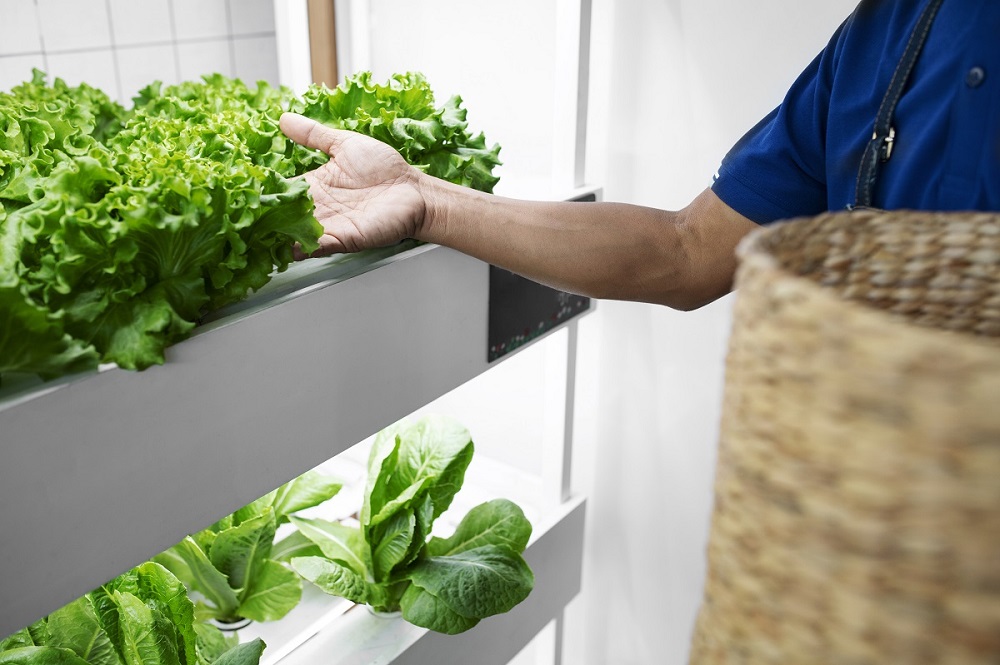
Introduction: Gardening Without Sacrificing Your Living Space Urban living and suburban space constraints have created a genuine disconnect: millions of people want to grow their own food, yet lack the traditional backyard garden space to do it. Apartment dwellers watch enviously as neighbors with sprawling properties grow tomatoes and basil. Small-lot homeowners maximize yard space wondering where to fit a vegetable garden. Renters face restrictions preventing ground-level planting entirely. Vertical gardening solves this paradox. By growing upward instead of outward, you transform unused wall space, fence sections, patios, and even interior corners into productive growing zones. This proven cultivation method multiplies growing capacity—a 4-by-8-foot wall can produce as much as a much larger traditional garden when managed strategically with vertical systems. The appeal extends beyond space efficiency. Vertical gardens provide superior accessibility (no bending to ground level), improved air circulation reducing disease pressure, easier harvesting and maintenance, and compelling visual appeal that transforms bare walls and empty patios into vibrant green spaces. For urban farmers, apartment gardeners, and anyone seeking fresh herbs and vegetables without dedicated garden land, vertical growing is transformative. This comprehensive guide explores vertical gardening systems, practical DIY designs, optimal plant selections, and maintenance strategies that deliver abundant harvests from even the most space-constrained locations. Whether you want fresh basil for your kitchen, salad greens for your family, or simple living plant display, vertical gardening makes it entirely achievable. What Is Vertical Gardening? Understanding the System Vertical gardening refers to any growing system where plants are cultivated in upright arrangements rather than traditional horizontal beds. This encompasses an enormous range of approaches—from simple single-plant wall-mounted containers to sophisticated multi-tier systems producing hundreds of plants from a compact footprint. How Vertical Gardening Works Plants typically grow in containers, pockets, or planting modules arranged vertically—stacked upward or arranged in tiered rows. Water typically drains downward through layers, or independent irrigation systems deliver moisture directly to each planting zone. Roots remain confined to small containers or growing media, allowing plants with modest root systems to thrive in limited soil volumes. The vertical orientation serves multiple purposes: maximizing sunlight exposure to each plant through improved air circulation, concentrating plants densely in limited floor space, improving accessibility for harvesting and maintenance, and creating striking visual displays that transform everyday spaces. Who Benefits Most from Vertical Gardens Apartment and Condo Dwellers – Limited or no outdoor space makes vertical systems the only practical option for home food production. Urban Farmers – Rooftop and balcony space expands dramatically when organized vertically rather than horizontally. Small-Lot Homeowners – Even 4-by-8-foot wall space produces substantial harvests without consuming precious yard real estate. Patio and Deck Gardeners – Vertical systems anchor patio perimeters and pergolas, creating productive zones in otherwise ornamental space. Renters – Many vertical systems mount without permanent installation, allowing portable food production across different properties. Community and Commercial Gardens – Limited plot space serves more gardeners when systems grow vertically. Accessibility-Focused Gardeners – Elevated planting eliminates bending, kneeling, and ground-level strain for gardeners with mobility limitations. Benefits That Extend Beyond Space Savings While space efficiency is vertical gardening’s most obvious advantage, multiple additional benefits make this approach compelling even for gardeners with traditional space available. Maximized Harvest per Square Foot A standard 4-by-8-foot ground-level bed produces roughly 32 square feet of planting area. A vertical system occupying identical wall space while extending upward eight feet produces equivalent or superior harvests in 32 square feet of wall surface, freeing ground space for pathways, seating, or additional growing systems. Superior Growing Conditions Vertical systems inherently provide several growing advantages: Improved Air Circulation – Elevated plants experience better airflow around foliage, reducing fungal disease pressure substantially. Powdery mildew, leaf spot, and other moisture-dependent diseases decrease significantly in vertical systems. Enhanced Light Penetration – Unlike dense ground-level plantings where lower leaves sit in shade, vertical systems expose foliage to direct light, improving photosynthesis and vigor. Better Drainage – Gravity naturally drains excess water downward, preventing waterlogging. Vertical systems rarely experience the root rot and soil-borne pathogens affecting poorly-drained traditional gardens. Reduced Pest Pressure – Elevated growing reduces some pest populations; slugs and groundborne insects struggle accessing higher plants. However, some flying insects (like whiteflies) may access vertical gardens more readily, requiring attention. Aesthetic and Lifestyle Benefits Beyond production, vertical gardens transform spaces emotionally and visually: Living Walls – Bare concrete walls transform into vibrant green displays. Vertical gardens create biophilic spaces—environments incorporating natural elements that measurably improve wellbeing and reduce stress. Air Quality Improvement – Plant foliage actually improves indoor and enclosed-space air quality through photosynthetic gas exchange and dust particle interception, though effects are modest unless systems are substantial. Neighborhood Impact – Visible vertical gardens inspire neighbors, demonstrate urban agriculture viability, and contribute to community beautification. Edible Landscaping – Productive plants add visual interest comparable to decorative plants while providing actual food production—maximizing landscape utility. Economic Advantages Fresh Produce Availability – Growing herbs and vegetables eliminates consistent grocery expenses. Fresh basil alone, regularly purchased at $3-$5 per bundle, can cost $36-$60 annually—easily recouped through home production. Chemical-Free Cultivation – Home-grown produce avoids pesticide residues and artificial preservation treatments affecting commercial produce. Reduced Waste – Home harvesting produces exactly needed quantities, eliminating produce waste from over-purchasing. Planning Your Vertical Garden: Essential Considerations Before Building Successful vertical gardens require thoughtful planning matching systems to specific site conditions. Assess these factors before investing time and resources: Light Assessment – Your Critical Foundation Sunlight Requirements by Plant Type: Most edible herbs and vegetables require substantial direct sunlight: Light Mapping Exercise: Observe your intended vertical garden location at different times—morning (8 AM), midday (12 PM), and afternoon (4 PM)—noting direct sun exposure and shade patterns. Track changes through seasons; summer sun patterns differ dramatically from spring and fall. Even south-facing locations experience winter shade if buildings or trees block low-angle winter sun. Supplemental Lighting Options: If natural light proves insufficient, supplemental grow lights extend growing seasons and enable indoor vertical gardening. Full-spectrum LED panels (popular increasingly as costs decline) provide adequate
Soil Drainage: When You Need It and How to Drain Waterlogged Soil

Introduction: Why Soil Drainage Determines Agricultural Success Water—essential for plant growth—becomes destructive when it accumulates in soil. Waterlogged conditions create an oxygen-depleted environment where root systems suffocate, fungal diseases proliferate, and nutrient uptake fails. The consequence: stunted growth, reduced yields, crop failure, and significant financial losses. Yet many North American farmers and gardeners don’t recognize drainage problems until productivity has already suffered. Some operate for years with chronically wet soils, accepting below-potential yields without realizing that proper drainage could dramatically improve outcomes. The good news: soil drainage is entirely manageable through proven, economical techniques requiring minimal investment compared to the productivity gains they deliver. Whether you manage 50 acres of clay-heavy bottomland, operate a vegetable farm on poorly-draining soil, or maintain a residential garden plagued by standing water, drainage solutions exist at every scale and budget level. This comprehensive guide walks you through recognizing drainage problems, understanding drainage options, and implementing systems that transform waterlogged soil into productive growing medium—yielding healthier plants, better harvests, and improved profitability. Understanding Soil Water Dynamics: The Science Behind Drainage Problems Why Water Accumulates in Soil Soil contains three types of water: gravitational water (drains freely), capillary water (held by soil particles), and hygroscopic water (bound to mineral surfaces). Problems arise when gravitational water cannot drain efficiently, accumulating in soil pores where roots need oxygen. Soil Texture and Drainage Challenges Different soil types drain at dramatically different rates: Sandy Soils – Large pores allow rapid drainage; water moves through readily but doesn’t retain adequate moisture for plant uptake. Loamy Soils – Ideal balance of pore sizes; water drains adequately while retaining enough for plant availability. Clay Soils – Tiny, flattened particles create minimal pore space; water drains extremely slowly or not at all, leading to waterlogging and compaction. Many agricultural regions, particularly in the Midwest, Eastern states, and parts of the Pacific Northwest, have naturally high clay content. Add heavy rainfall or irrigation, and drainage problems become inevitable without intervention. Subsurface Water Challenges Beyond surface drainage, high water tables present ongoing challenges. In some regions, groundwater sits within 12-24 inches of the surface—excellent for plant availability but catastrophic if closer, as it saturates the root zone and prevents oxygen penetration. Warning Signs: When Your Soil Has a Drainage Problem Recognizing drainage issues early allows intervention before productivity suffers significantly. Watch for these telltale indicators: Visual and Olfactory Signs of Poor Drainage Standing Water After Rainfall – The most obvious sign. If puddles remain 24+ hours after rain, your soil cannot move water efficiently. In clay-heavy soils, water may persist for days or weeks. Persistent Soil Wetness – Soil remains soggy or muddy throughout growing season despite adequate time for drying. Even in spring, properly-draining soil should be workable; chronically wet soil indicates drainage failure. Sticky, Compacted Soil – Soil forms dense, brick-like clods when wet; breaks into fine powder when dry. This instability indicates poor structure—typically accompanied by drainage problems. Unpleasant Soil Odor – Rotten, sulfurous, or musty smells signal anaerobic (oxygen-free) conditions where soil microorganisms decompose organic matter without oxygen. This warns of extreme waterlogging. Visible Mold, Moss, or Algae Growth – Surface fungal growth thrives in constantly moist conditions. While minor moss growth is normal, extensive coverage indicates persistent wetness. Plant Health Indicators Root Rot Symptoms – Pull plants and inspect roots. Healthy roots are white or light-colored and firm. Waterlogged soils produce dark, soft, mushy roots that deteriorate easily—classic root rot. Wilting Despite Wet Soil – Plants wilt from oxygen deprivation, a counterintuitive symptom. Gardeners frequently assume the wilted plant needs water, applying more moisture and worsening conditions. This contradictory situation (wet soil + wilting plants) clearly signals drainage failure. Stunted Growth and Yellowing Leaves – Prolonged waterlogging causes chlorosis (yellowing), stunted development, and premature senescence as plants struggle in hostile growing conditions. Disease Proliferation – Fungal and bacterial diseases thrive in wet soil. Damping-off in seedlings, root rot on vegetables, and fungal leaf diseases cluster on poorly-draining soils. Crop Failure in Specific Areas – If certain field sections consistently underperform despite identical management, drainage problems are the likely culprit. Low spots where water accumulates will show obvious yield loss. Assessing Your Drainage Situation: Diagnostic Methods Before implementing drainage solutions, properly diagnose your specific situation. The Percolation Test – Simple But Effective The percolation test (often called a “perc test”) measures how quickly soil accepts and drains water. Conducting a Percolation Test: Evaluating Soil Texture Simple hands-on assessment provides valuable information: The Ribbon Test: Checking Water Table Depth In regions with high water tables, understanding groundwater proximity is essential: Simple Water Table Assessment: Types of Soil Drainage Systems: Choosing the Right Approach Drainage solutions fall into two primary categories: surface drainage (removing visible water) and subsurface drainage (managing groundwater and deep soil moisture). Surface Drainage: Addressing Visible Water Accumulation Surface drainage systems remove water that pools visibly on soil or remains in upper soil layers. Method 1: Open Ditches and Channels Description: Excavated channels guide water away from agricultural areas toward natural drainage outlets (streams, swales, or constructed detention areas). Best For: Large agricultural fields, pastures, and areas where aesthetics are secondary to function. Advantages: Disadvantages: Installation: Method 2: Raised Beds and Elevated Planting Description: Elevating growing areas above the water table creates natural drainage while improving root environment. Best For: Vegetable gardens, market gardens, and small-scale operations on poorly-draining land. Advantages: Disadvantages: Construction: Method 3: Contoured Terracing and Land Shaping Description: Reshaping terrain to eliminate low spots and redirect surface water flow. Best For: Sloped land where topographic problems create localized waterlogging despite decent soil drainage. Advantages: Disadvantages: Implementation: Method 4: Perimeter Swales and Bioswales Description: Vegetated channels directing water through strategic corridors while filtering and slowing flow. Best For: Larger properties integrating drainage with stormwater management and erosion control. Advantages: Disadvantages: Construction: Subsurface Drainage: Managing Deep Soil Moisture Subsurface drainage systems remove water accumulating in deeper soil layers, addressing problems beyond surface solutions’ capacity. Method 1: Perforated Drain Pipes (French Drains) Description: Perforated pipes surrounded by gravel collect groundwater
Rainwater Harvesting for Agriculture: A Practical Guide to Capturing and Using Rainwater

Introduction: Water Security for Modern Farming Water scarcity represents one of the most pressing challenges facing agriculture across North America. Drought cycles are intensifying, groundwater levels are declining in many regions, and municipal water restrictions increasingly limit farm access to municipal supplies. Yet paradoxically, millions of gallons of water flow uselessly off roofs and hard surfaces during rainfall events. Rainwater harvesting offers a practical, cost-effective solution that transforms this “wasted” precipitation into productive agricultural water. This ancient technique—practiced for centuries across arid regions worldwide—has experienced a resurgence among forward-thinking American farmers seeking water security, reduced operational costs, and sustainable farming practices. The benefits extend beyond mere water conservation. Strategic rainwater harvesting reduces dependence on declining groundwater resources, decreases irrigation costs that squeeze farm margins, improves drought resilience, and demonstrates environmental stewardship that appeals to consumers and increasingly influences agricultural policy. Whether you manage commercial farm operations, operate a small market garden, maintain a livestock operation, or tend a homestead, rainwater harvesting systems can be scaled to your needs and budget. This comprehensive guide walks you through every aspect—from system design and installation to optimization and best practices—so you can implement rainwater harvesting confidently on your property. The Business Case: Why Rainwater Harvesting Makes Agricultural Sense Water Cost Savings That Impact Your Bottom Line Agricultural water represents a substantial operational expense. In many U.S. regions, depending on municipal supply or groundwater pumping costs exceed $1,000-$3,000+ annually for modest farm operations. Rainwater harvesting eliminates these costs for substantial portions of irrigation needs. Consider the math: An operation capturing just 10,000 gallons monthly through rainwater harvesting reduces annual water expenses by hundreds to thousands of dollars. Over a five-year system lifespan, these savings exceed system installation costs many times over. Groundwater Preservation and Regulatory Compliance Excessive groundwater pumping depletes aquifers and increasingly violates state regulations. Several western states have implemented pumping restrictions, and eastern states are beginning similar regulations. Rainwater harvesting reduces groundwater dependence, ensures regulatory compliance, and positions your operation ahead of inevitable future restrictions. Drought Resilience and Production Stability Relying solely on municipal water or groundwater creates vulnerability when drought strikes. Rainwater reserves provide operational flexibility during dry periods, ensuring production continuity when competitors face water restrictions. This resilience directly translates to competitive advantage and revenue stability. Environmental Benefits and Market Advantages Sustainability increasingly influences consumer purchasing decisions and market premiums for agricultural products. Demonstrating rainwater harvesting and water conservation appeals to environmentally-conscious buyers and may qualify operations for conservation incentive programs and grants. System Flexibility and Scalability Rainwater harvesting systems adapt to operations of any size. Small gardeners can implement basic systems for under $500; commercial operations can develop sophisticated multi-acre systems. Start small, prove results, then expand—all at your pace and budget. Understanding Your Local Water Dynamics Before designing a rainwater harvesting system, understand your region’s precipitation patterns and water challenges. Assess Your Annual Rainfall Research your area’s average annual precipitation using NOAA climate databases or your local Extension office. Beyond annual totals, examine seasonal distribution. Regions receiving concentrated rainfall during specific months benefit from larger storage capacity to capture and preserve monsoon or spring precipitation for summer irrigation needs. Evaluate Your Water Needs Calculate farm water demands across all uses: livestock watering, crop irrigation, equipment washing, facility cleaning. Understanding total water requirements guides system sizing decisions—capturing too little provides minimal benefit while oversized systems waste resources and funds. Identify Water Quality Concerns Regional factors affecting rainwater quality include air pollution, predominant land use, soil characteristics, and existing water sources. Some operations require greater filtration; others need minimal treatment before safe agricultural use. System Components: Building Your Rainwater Harvesting Infrastructure Component 1: Collection Surfaces – Maximizing Capture Potential The collection surface—typically building roofs—determines how much water your system can harvest. Optimal Collection Surfaces: Agricultural Building Roofs – Barns, equipment storage, and agricultural structures offer the largest collection areas. Metal roofing is ideal: durable, minimal contamination, and excellent runoff characteristics. Residence and Greenhouse Roofs – Residential structures and greenhouses provide substantial collection area, especially valuable for operations combining residential and agricultural uses. Hard Surfaces – Packed gravel or compacted soil areas can serve as collection surfaces in arid regions where rainfall events are infrequent and contamination risk is minimal. Critical Consideration: Avoid roofing materials containing asbestos or lead-based paints, as precipitation contact will contaminate harvested water. Similarly, avoid heavily trafficked or industrial areas where significant air pollution deposits on roof surfaces. Collection Area Calculation: Measure your roof’s square footage (length × width). For most roofs, using the horizontal projection (not actual slope area) provides sufficient accuracy for calculation purposes. Component 2: Guttering and Conveyance Systems – Directing Water Efficiently Gutters and downspouts transport collected water from roofs to storage, requiring proper installation and maintenance. Gutter Requirements: Downspout and Conveyance Piping: Component 3: Filtration Systems – Ensuring Water Quality Pre-storage filtration removes debris, leaves, and contaminants before water enters storage tanks. First-Flush Diverters Install first-flush diverters that automatically divert initial rainfall (first 1,000+ gallons) away from storage. This “dirty water” contains accumulated roof dust, bird droppings, and organic debris. After this initial flush, clean rainwater directs to storage. Mechanical Filtration Options: Mesh Screens – Simple, inexpensive 1/4-inch or 1/2-inch mesh screens remove leaves and large debris. These require frequent cleaning (after each rainfall) but provide economical basic filtration. Sediment Filters – Drop-in cartridge or tank-based filters trap particles down to 20-100 microns. Replaceable cartridges simplify maintenance but require occasional replacement (typically annually for agricultural applications). Sand and Gravel Filtration Boxes – Simple constructed boxes containing gravel, sand, and charcoal layers provide natural filtration. Water percolates through layers, with sand trapping suspended particles and charcoal absorbing odors and minor chemical contaminants. These systems cost minimal capital but require regular maintenance and eventual media replacement (annually or biannually). Advanced Options – For Premium Water Quality: Activated charcoal filters remove odors and minor chemical contamination; ultraviolet (UV) systems provide pathogenic organism suppression; and sediment filters combined with activated charcoal approach potable water quality for operations requiring highest standards. Component 4: Storage Tanks –
10 Plants That Repel Insects Naturally: Create a Pest-Free Garden Without Chemicals

Introduction: Garden Pest Control the Natural Way Stepping into your backyard should feel like a retreat, not an assault. Yet for many homeowners, gardeners, and small-scale farmers across the United States, insects have become an unwelcome problem—from annoying mosquitoes on summer evenings to destructive garden pests that ravage vegetables and ornamental plants. Most people’s first instinct is reaching for a bottle of chemical pesticide. While these products certainly kill bugs, they come with significant drawbacks: environmental contamination, harm to beneficial insects like pollinators, potential health risks to family members and pets, and long-term soil degradation. There’s a proven alternative that’s been used for centuries: plants that naturally repel insects. Strategic planting of aromatic herbs and flowering plants creates a living pest management system that protects your garden while beautifying your space, attracting pollinators, and often providing culinary or medicinal benefits. In this guide, you’ll discover the 10 most effective insect-repelling plants for North American gardens, learn how to cultivate them successfully, and create a thriving outdoor space that stays naturally pest-free. Why Natural Insect-Repelling Plants Beat Chemical Pesticides Before diving into specific plant recommendations, let’s explore why incorporating natural pest-repellent plants into your garden strategy makes sense from environmental, economic, and practical perspectives. Eliminate Harmful Chemical Exposure Chemical pesticides contain synthetic compounds designed to disrupt insect nervous systems. While targeted toward “pests,” these chemicals don’t discriminate—they harm beneficial insects, can contaminate groundwater, and may pose health risks through direct contact or residue on harvested vegetables. Natural plant-based repellents eliminate these risks entirely. Support Biological Pest Control Many insect-repelling plants attract beneficial insects like ladybugs, lacewings, parasitic wasps, and honeybees. These natural predators and pollinators form a self-regulating ecosystem that keeps pest populations in check without intervention. Enjoy Multi-Purpose Benefits Unlike a pesticide bottle that serves one function, most insect-repelling plants offer additional value: culinary herbs for cooking, medicinal properties for wellness, fragrant flowers for visual appeal, and nectar for pollinators. Your garden becomes more productive and beautiful while managing pests. Reduce Long-Term Costs A one-time investment in plants provides year-round protection (and often multi-year benefits if perennial). Compare this to repeatedly purchasing pesticide products—the economic advantage becomes clear quickly. Create Sustainable Garden Systems Building plant-based pest management creates a self-sustaining ecosystem. Rather than depending on external chemical inputs, your garden develops natural balance and resilience against pest pressure. The 10 Best Plants That Repel Insects Naturally 1. Citronella – The Mosquito Fighter Citronella stands as perhaps the most famous natural mosquito repellent, particularly effective against Aedes aegypti (the species transmitting Zika and dengue fever). The plant’s strong, citrusy fragrance overwhelms mosquito sensory receptors, causing them to seek feeding opportunities elsewhere. Growing Requirements: Cultivation Tips: Position citronella plants near patios, doorways, and window screens where mosquitoes commonly enter. Container gardening works excellently for mobility—move plants to high-traffic areas during evening hours when mosquitoes are most active. In cooler climates, treat citronella as an annual or overwinter indoors. Bonus: The foliage releases a refreshing scent when brushed against. 2. Rosemary – The Multi-Purpose Herb Guardian Rosemary, a staple of Mediterranean cuisine, repels multiple insect species including mosquitoes, flies, and clothes moths. Its pungent, evergreen foliage contains oils (particularly 1,8-cineole) that insects find unpalatable. Growing Requirements: Cultivation Tips: Rosemary thrives with benign neglect—it actually performs better when not over-watered or over-fertilized. This hardiness makes it ideal for busy gardeners. Cluster plants near seating areas and entryways. The woody stems dry excellently and can be burned for aromatic smoke that repels insects during outdoor gatherings. Bonus: Fresh or dried rosemary enhances countless culinary dishes and serves traditional medicinal applications. 3. Lavender – The Elegant Moth and Flea Deterrent Lavender’s distinctive, calming fragrance masks plant odors that attract moths, fleas, and mosquitoes. This beautiful purple-flowering perennial combines exceptional pest-repelling power with ornamental appeal and proven calming properties. Growing Requirements: Cultivation Tips: Lavender despises wet feet—overwatering is the primary cause of failure. Plant in raised beds or containers with sandy soil amendment for exceptional drainage. Deadhead spent flowers regularly to encourage continuous blooming. Dry lavender flowers retain insect-repelling properties; use in sachet bags for closets and drawers to protect clothing and linens from moths. Bonus: Lavender provides nectar for pollinators, essential oils for aromatherapy, and dried flowers for decorative arrangements. 4. Basil – The Fly and Mosquito Controller Basil’s aromatic compounds, particularly linalool and methyl cinnamate, effectively repel flies, mosquitoes, and certain beetles. This tender annual thrives in warm conditions and produces abundant foliage perfect for harvesting. Growing Requirements: Cultivation Tips: Basil reaches peak pest-repelling potency when grown robustly in fertile soil. Position containers near kitchen doors and garden entrances. Plant near vegetable gardens—basil repels common vegetable pests while improving overall garden health. Pinch off flower buds to encourage bushy foliage production. In fall, harvest heavily before first frost and preserve by drying or freezing. Bonus: Fresh basil is essential for Italian cooking, pesto production, and adds nutritional value to countless dishes. 5. Calendula (Pot Marigold) – The Aphid and Whitefly Blocker Calendula’s vibrant orange and yellow flowers do more than beautify gardens—they repel destructive pests like aphids and whiteflies. This flower also attracts beneficial insects that prey on garden pests, creating a comprehensive pest management strategy. Growing Requirements: Cultivation Tips: Calendula self-seeds prolifically—allow some spent flowers to remain for next season’s volunteers. Plant throughout vegetable beds, especially near brassicas (cabbage, broccoli, kale) and squash plants susceptible to pest damage. The edible petals add color and mild flavor to salads and garnishes. Bonus: Calendula flowers possess traditional medicinal properties and create beautiful dried flower arrangements. 6. Mint – The Ant and Rodent Repellent Mint’s intensely aromatic foliage repels ants, mosquitoes, rodents, and various beetles through its high menthol content. This vigorous perennial spreads rapidly, requiring strategic containment but providing abundant foliage. Growing Requirements: Cultivation Tips: Critical: Plant mint in containers or raised beds—never directly in garden soil. This aggressive grower will dominate surrounding plants through underground runner expansion. Position containers near problem areas: patios where ants farm aphids, garden edges where rodents enter, around trash
Green Manure Farming: How to Use Cover Crops for Natural Soil Fertilization

Introduction: Why Smart Farmers Are Turning to Green Manure Soil health is the foundation of profitable farming. Yet many agricultural operations drain their soil year after year, becoming increasingly dependent on synthetic fertilizers to maintain yields. There’s a better way. Green manure—the practice of growing cover crops specifically to enhance soil fertility—is revolutionizing how progressive farmers approach land stewardship. This ancient technique, now backed by modern soil science, allows you to build soil health naturally, reduce input costs, and improve long-term productivity without relying heavily on chemical fertilizers. Whether you’re managing hundreds of acres or tending a backyard garden, green manure offers practical, economical solutions for sustainable agriculture. Let’s explore how this time-tested practice can transform your soil and your bottom line. What Is Green Manure and How Does It Work? Green manure refers to the deliberate cultivation of specific plant species—primarily legumes and grasses—that are later incorporated directly into the soil to enhance its fertility and structure. Unlike cover crops that are sometimes grazed or harvested for forage, green manure crops are grown with the sole purpose of being tilled back into the earth where they decompose and release nutrients. The process is straightforward: you plant nitrogen-fixing legumes or biomass-producing grasses during the off-season or between cash crop rotations. These plants grow vigorously, accumulating nutrients in their tissues and root systems. When the crops reach optimal maturity—typically just before flowering—you plow or till them into the soil. As they decompose over weeks to months, they transform into dark, nutrient-rich organic matter that feeds both the soil and the next generation of crops. This practice has become central to organic farming, regenerative agriculture, and conservation tillage systems across the United States. It’s particularly valuable for farmers looking to transition away from synthetic nitrogen fertilizers while maintaining or improving yields. The USDA has long recognized green manure as an essential component of sustainable agriculture programs. Why Green Manure Works: The Soil Science Behind the Strategy Biological Nitrogen Fixation The magic of green manure lies largely in symbiotic nitrogen fixation. Certain legume plants—including clover, alfalfa, vetches, and peas—form relationships with rhizobia bacteria in their root nodules. These bacteria pull atmospheric nitrogen (which plants cannot use directly) and convert it into forms that plants can absorb and utilize. When the legume crop is incorporated into the soil, that captured nitrogen remains available for your subsequent cash crops. A single acre of well-managed legume cover crops can fix 50 to 300 pounds of nitrogen annually—equivalent to the nutrient content in several hundred dollars’ worth of commercial fertilizer. Organic Matter Accumulation Beyond nitrogen, green manure crops create massive amounts of plant biomass. This organic matter improves soil structure, increases water-holding capacity, enhances aeration, and provides food for beneficial soil microorganisms. Soils rich in organic matter are more resilient to both drought and excessive rainfall—critical advantages in an era of increasingly variable weather. Natural Pest and Disease Suppression Strategic cover crop selection can suppress specific agricultural pests. For example, certain plants release compounds that suppress plant-parasitic nematodes, while others improve conditions for beneficial insects and soil organisms that prey on crop pests. Additionally, rotating through diverse plant species interrupts pest life cycles that can establish when the same crop is grown repeatedly in the same location. Key Benefits of Implementing Green Manure on Your Farm 1. Dramatically Reduced Fertilizer Costs Commercial nitrogen fertilizer represents one of the largest expense categories for most farming operations. By fixing atmospheric nitrogen through cover crops, you can reduce—or in some cases eliminate—your synthetic nitrogen purchases. Over multiple growing seasons, these savings compound significantly. 2. Enhanced Soil Structure and Water Management Green manure builds soil structure through organic matter accumulation and microbial activity. This improvement translates to better water infiltration, increased water retention in dry periods, and improved root penetration for cash crops. Farmers often report needing less irrigation and experiencing more stable yields. 3. Superior Long-Term Soil Health Unlike synthetic fertilizers that provide only a temporary nutrient boost, green manure creates lasting soil improvements. The biological community in the soil expands, nutrient cycling becomes more efficient, and the soil’s natural fertility-building capacity strengthens year after year. 4. Weed Suppression Through Competition Dense cover crop growth shades the soil surface, dramatically reducing opportunities for weed germination. This biological weed control reduces dependence on herbicides and lowers overall production costs. 5. Erosion Control and Soil Protection The extensive root systems of cover crops bind soil particles together and protect soil from water and wind erosion. This protection is especially valuable on sloped terrain or in regions prone to heavy rainfall. 6. Environmental Benefits and Regulatory Advantages Green manure reduces nutrient runoff, improves water quality, and enhances wildlife habitat. These environmental benefits may open doors to conservation incentive programs, premium pricing for sustainably-grown crops, or compliance with emerging agricultural regulations. Best Cover Crop Species for Green Manure in North America Nitrogen-Fixing Legumes (Recommended for Fertility Building) Hairy Vetch – One of the most popular cover crops in the U.S. Northeast and Midwest. Establishes quickly, fixes significant nitrogen, and tolerates cold winters well. Typically planted in fall, winter-killed in colder regions or managed in spring. Clover Species – Red clover and crimson clover are reliable workhorses. Easy to establish, excellent for short-term cover crop rotations, and palatable to livestock if integrated into grazing systems. Alfalfa – Exceptional nitrogen fixer suitable for multi-year cover crop stands. Particularly valuable in western states with more arid conditions. Field Peas – Fast-growing spring legumes that establish quickly and produce substantial biomass while fixing nitrogen efficiently. Cowpeas – Warm-season legumes ideal for southern states. Excellent nitrogen fixation and pest suppression qualities. Biomass Producers (For Organic Matter and Nutrient Cycling) Winter Rye – The go-to grass for many American farmers. Overwinters successfully across most U.S. regions, produces abundant biomass, and suppresses winter weeds effectively. Oats – A cool-season grain that establishes rapidly, produces good biomass, and is easy to terminate with tillage or mowing. Millet – A warm-season alternative in the South and Midwest. Grows quickly, produces voluminous biomass,
Cover Crops: How to Protect and Enrich Your Soil Year-Round

Introduction Cover crops represent one of the most powerful tools available to farmers and gardeners for building soil health, preventing erosion, and creating sustainable, productive growing systems. By keeping soil covered with living plants or plant residues throughout the year, you can naturally improve fertility, suppress weeds, retain moisture, and support beneficial soil organisms—all while reducing reliance on synthetic inputs. Whether you’re managing a large-scale commercial operation, a small market garden, or a backyard vegetable plot, implementing cover crops transforms bare soil into a living, productive ecosystem that works for you between cash crops. This ancient practice has seen renewed interest as modern agriculture recognizes the critical importance of soil health for long-term productivity and environmental stewardship. This comprehensive guide explains what cover crops are, their multiple benefits, the best species for different goals, and practical implementation strategies for integrating cover crops into your operation. Discover how this simple practice can revolutionize your soil management and crop performance. What Are Cover Crops? Cover crops are plants grown primarily to benefit the soil rather than for harvest and sale. They serve as “living mulch” when actively growing or provide protective residue after termination. Defining Characteristics Primary Purpose: Soil improvement and protection rather than commodity production Key Functions: Growing Windows: Cover Crops vs. Green Manure While often used interchangeably, there’s a subtle distinction: Cover Crops: Broad term for any crop grown primarily for soil benefit, may or may not be incorporated Green Manure: Specifically refers to cover crops that are incorporated into soil while still green to add nutrients and organic matter Practical Reality: Most farmers use the terms synonymously, and many cover crops serve both functions. Living Mulch Concept Living Mulch: Cover crops maintained as living ground cover, often grown simultaneously with cash crops Applications: Benefits: Benefits of Cover Crops: Why Every Farm Should Use Them The advantages of cover crops extend far beyond simple soil protection, offering economic, environmental, and agronomic benefits. 1. Erosion Prevention and Soil Conservation Soil erosion costs American agriculture billions annually in lost productivity and environmental damage. Cover crops provide the most effective, natural erosion control. How Cover Crops Prevent Erosion: Root Systems: Canopy Protection: Erosion Reduction Statistics: Critical Application: Highly erodible land (HEL) designated by USDA-NRCS requires conservation measures; cover crops meet compliance requirements while improving productivity. 2. Soil Fertility Enhancement Cover crops naturally build soil fertility through multiple mechanisms. Nitrogen Fixation (Legume Cover Crops): Leguminous cover crops partner with Rhizobium bacteria to convert atmospheric nitrogen into plant-available forms. Nitrogen Contribution by Species: Value: Equivalent to $50-120 per acre in nitrogen fertilizer at current prices. Nutrient Cycling (All Cover Crops): Deep-rooted cover crops access nutrients below cash crop root zones and bring them to the surface. Nutrient Scavenging: Example: Radishes (tillage radish) can scavenge 100+ lbs/acre of nitrogen that would otherwise leach away. Organic Matter Addition: Biomass Production: Long-Term Impact: Studies show 0.1-0.3% soil organic matter increase per year with consistent cover crop use. 3. Water Management and Moisture Retention Cover crops dramatically improve soil’s relationship with water. Increased Infiltration: Cover crop roots create macropores that allow water to penetrate soil quickly. Infiltration Improvements: Practical Impact: Fields with good cover crop history can absorb 2+ inches of rain in heavy storms without runoff, while bare soil runs off after ½ inch. Moisture Conservation: Surface Residue Benefits: Enhanced Water Holding: 4. Weed Suppression Cover crops control weeds through multiple mechanisms, reducing herbicide dependence. Physical Suppression: Allelopathy (Chemical Suppression): Some cover crops release compounds that inhibit weed seed germination and growth. Allelopathic Species: Weed Reduction: 50-90% weed pressure reduction in following cash crops with proper management. Economic Benefit: Reduced herbicide costs ($20-60/acre savings) and reduced cultivation needs. 5. Enhanced Soil Biology Cover crops feed and shelter beneficial soil organisms, creating a thriving soil food web. Microbial Activity: Beneficial Organisms: Soil Structure: Long-Term Impact: Building soil biology takes 3-5 years of consistent cover cropping but creates resilient, self-regulating soil ecosystems. 6. Pest and Disease Management Strategic cover crop use disrupts pest and disease cycles. Pest Habitat: Disease Suppression: Nematode Management: Types of Cover Crops: Choosing the Right Species Selecting appropriate cover crops depends on climate, season, goals, and rotation sequence. Legume Cover Crops (Nitrogen Fixers) Legumes partner with bacteria to fix atmospheric nitrogen, reducing fertilizer needs. Cool-Season Legumes: Hairy Vetch: Crimson Clover: Austrian Winter Pea: Red Clover: Warm-Season Legumes: Cowpeas: Sunn Hemp: Soybeans: Grass Cover Crops (Biomass Builders) Grasses produce high biomass, scavenge nutrients, and create allelopathic residues. Cool-Season Grasses: Cereal Rye (Winter Rye): Oats: Annual Ryegrass: Triticale: Barley: Warm-Season Grasses: Sorghum-Sudangrass: Pearl Millet: Brassica Cover Crops (Soil Conditioners) Brassicas offer unique benefits including biofumigation and compaction relief. Tillage Radish (Daikon): Forage Radish: Mustards: Turnips: Rapeseed/Canola: Broadleaf Non-Legumes Buckwheat: Sunflowers: Phacelia: Cover Crop Mixtures: Maximizing Benefits Planting multiple species together often provides greater benefits than monocultures. Advantages of Mixes Biological Diversity: Complementary Benefits: Extended Growing Window: Popular Cover Crop Mixtures Classic Winter Mix (Zones 5-7): Southern Winter Mix (Zones 7-9): Summer Mix (All zones): Diverse “Cocktail” Mixes (7-12 species): Benefits: Maximum diversity, resilience, soil building Seeding Rate Considerations General Rule: Reduce individual species rates by 30-50% when planting in mixes Example: How to Implement Cover Crops: Practical Steps Successfully integrating cover crops requires planning and timely execution. Step 1: Define Your Goals Primary Objectives: Secondary Considerations: Step 2: Select Appropriate Species Consider: Climate/Hardiness: Planting Window: Cash Crop Compatibility: Budget: Step 3: Prepare and Plant Soil Preparation: Conventional Tillage: No-Till/Minimum Till: Planting Methods: Broadcast Seeding: Drilling: Aerial Seeding: Planting Depth: Seeding Rates: Refer to specific species recommendations or seed supplier guidelines. Rates vary by: Typical Ranges: Step 4: Manage Growing Cover Crops Minimal Management: Most cover crops require little intervention once established. Occasional Needs: Growth Monitoring: Step 5: Terminate Cover Crops Proper termination timing and method ensures smooth transition to cash crops. Termination Timing: Too Early: Too Late: Optimal Timing: Termination Methods: Winter-Kill (Natural): Mowing/Roller-Crimping: Tillage: Herbicides: Grazing: Cover Crops for Different Farming Systems Small-Scale/Market Gardens Challenges: Best Practices: Example: Plant buckwheat after spring greens, till in after
How to Grow Radishes: The Perfect Fast-Growing Crop for Your Garden

Introduction Radishes (Raphanus sativus) rank among the easiest and fastest vegetables you can grow, making them an ideal choice for beginning gardeners, experienced farmers seeking quick returns, and anyone wanting fresh produce in record time. From seed to harvest in just 25-40 days, radishes deliver crisp, peppery flavor with minimal effort and space requirements. These quick-maturing root vegetables offer unique advantages: they require little garden space, tolerate various growing conditions, resist most pests, and provide both edible roots and nutritious greens. Whether you’re cultivating a backyard vegetable garden, managing a market farm, or growing in containers on an urban balcony, radishes consistently deliver reliable results. This comprehensive guide covers everything you need to successfully grow radishes, from soil preparation and planting techniques through harvest timing and culinary uses. Discover why radishes deserve a prominent place in your garden and how to maximize their impressive productivity. Why You Should Grow Radishes: 7 Compelling Benefits Before diving into cultivation techniques, understanding radishes’ unique advantages helps you appreciate why they’re such valuable garden additions. 1. Lightning-Fast Maturity Radishes hold the record as one of the quickest vegetables from seed to harvest. Maturity Timeline: This rapid growth means: Market Advantage: Commercial growers can harvest 4-6 radish crops in the time it takes to grow one tomato crop. 2. Minimal Space Requirements Radishes thrive in tight quarters, making them perfect for space-limited situations. Space Efficiency: Example: A 4×8 foot raised bed can produce 150-200 radishes per planting. This space efficiency makes radishes ideal for: 3. Exceptional Pest and Disease Resistance Compared to many vegetables, radishes suffer from relatively few problems. Natural Advantages: Common Issues (and Easy Solutions): This resistance makes radishes particularly suitable for organic production and beginner gardeners who want success without complicated pest management. 4. Outstanding Nutritional Profile Radishes pack impressive nutrition into small packages. Nutritional Highlights (per cup raw): Health Benefits: Don’t Forget the Greens: Radish tops are edible and nutritious, containing even more vitamin C than the roots, plus calcium, iron, and vitamin A. 5. Soil Improvement Properties Beyond food production, radishes serve as excellent cover crops and soil conditioners. Tillage Radish/Daikon Benefits: Use Case: Plant radishes as a cover crop in fall; they’ll improve soil structure for spring crops. 6. Quick Returns for Commercial Growers Market farmers and commercial producers benefit from radishes’ fast cash flow. Economic Advantages: Pricing Benchmarks: Production Example: 1,000 sq ft can yield 600-800 bunches per season (multiple plantings), generating $1,200-3,200 at farmers’ market prices. 7. Perfect “Indicator Crop” Experienced gardeners use radishes as a diagnostic tool. How It Works: Ideal Growing Conditions for Radishes Success with radishes begins with understanding and providing their preferred environment. Temperature Requirements Radishes are classic cool-season crops that perform best in moderate temperatures. Optimal Range: 50-65°F (10-18°C) Temperature Tolerance: Temperature Impact on Quality: Too Cool (below 45°F): Too Hot (above 80°F): Seasonal Timing: Spring Planting: Summer Planting: Fall Planting: Winter Planting: Soil Requirements Radishes aren’t particularly fussy about soil, but optimal conditions maximize quality. Ideal Soil Characteristics: Texture: Why Texture Matters: Radish roots must push through soil easily. Compacted or heavy clay soils result in small, deformed, or cracked radishes. Fertility: pH Range: 5.8-6.8 (slightly acidic to neutral) Soil Preparation: Container Growing: Sunlight Needs Radishes prefer full sun but tolerate partial shade better than many vegetables. Light Requirements: Partial Shade Benefits: Practical Application: Plant radishes on the east side of taller crops for afternoon shade during late spring/early summer. How to Grow Radishes: Step-by-Step Planting Guide Follow these detailed steps for consistently successful radish crops. Step 1: Timing Your Planting Spring Planting Strategy: Fall Planting Strategy: Succession Planting for Continuous Harvest: Step 2: Direct Seeding (Never Transplant!) Radishes must be direct seeded—they don’t tolerate transplanting due to sensitive taproots. Seeding Procedure: Row Planting: Bed Planting (Intensive Method): Container Planting: Seeding Depth: ½ inch (¼ inch in heavy soil, ¾ inch in sandy soil) Seed Spacing: Sow ½ to 1 inch apart (thin to 2-3 inches after emergence) Germination: Pro Tip: Radish seeds are large enough to handle individually, allowing precise spacing and reducing thinning needs. Step 3: Thinning for Optimal Growth Proper thinning is crucial for developing well-formed radish roots. Why Thinning Matters: When to Thin: How to Thin: Method 1 (Preferred): Use small scissors to snip unwanted seedlings at soil level Method 2: Carefully pull excess seedlings Final Spacing: Don’t Waste Thinnings: Baby radish greens are delicious in salads! Step 4: Watering for Quality Radishes Consistent moisture is perhaps the single most important factor for quality radishes. Watering Guidelines: Frequency: Amount: Critical Periods: Watering Methods: Hand Watering: Drip Irrigation: Soaker Hoses: Sprinkler/Overhead: Problems from Improper Watering: Too Little Water: Inconsistent Water: Too Much Water: Fertilizing Radishes Radishes have modest fertility needs; avoid over-fertilization. Pre-Planting Fertility Soil Preparation: Side-Dressing (Usually Unnecessary) Most radishes mature before side-dressing benefits appear. When to Consider: Application: Nitrogen Caution Avoid Excess Nitrogen: Signs of Excess Nitrogen: Harvesting Radishes at Peak Quality Timing harvest correctly ensures the best flavor and texture. Determining Harvest Readiness Visual Indicators: Size Guidelines by Type: Days to Maturity: The “Pull and Check” Method: Harvest Timing is Critical Don’t Wait Too Long: Radishes decline rapidly past peak maturity. Problems from Delayed Harvest: Rule of Thumb: It’s better to harvest slightly early than too late. Proper Harvesting Technique Steps: For Easier Pulling: Post-Harvest Handling Immediate Care: Storage: Short-Term (1-2 weeks): Longer-Term (3-4 weeks): Market Presentation: Popular Radish Varieties for Different Uses Choosing appropriate varieties expands your options and harvest windows. Spring/Summer Radishes (Fast-Maturing) Cherry Belle: French Breakfast: Easter Egg: Sparkler/Scarlet White Tip: Specialty and Unique Varieties Watermelon Radish: Purple Plum: White Icicle: Winter Radishes (Larger, Storage Types) Daikon: Black Spanish Round: China Rose: Common Problems and Solutions Even easy crops like radishes occasionally face challenges. Problem: All Tops, No Bottoms Causes: Solutions: Problem: Woody, Pithy Texture Causes: Solutions: Problem: Cracked or Split Radishes Causes: Solutions: Problem: Hot, Excessively Pungent Flavor Causes: Solutions: Problem: Poor Germination Causes: Solutions: Creative Ways to Use Radishes Don’t limit radishes to salads—explore their versatility. Fresh Applications Salads:
How to Start Organic Farming: A Low-Budget Guide to Growing Profitable Organic Crops

Introduction Organic farming has evolved from a niche practice to a mainstream agricultural movement, driven by consumer demand for healthy, chemical-free food and growing environmental consciousness. Many aspiring farmers assume that starting organic farming requires substantial capital investment, but the reality is quite different. You can successfully launch an organic farming operation with minimal financial resources—what’s essential is smart planning, creativity, efficient resource use, and commitment to sustainable practices. The beauty of organic farming is that it often costs less than conventional agriculture once established, as you eliminate expensive synthetic inputs while building soil health naturally. This comprehensive guide walks you through the practical steps to start organic farming on a budget, from soil preparation and crop selection through pest management and marketing. Whether you’re working with a backyard garden or a few acres, these strategies will help you build a productive, profitable organic operation without breaking the bank. Understanding Organic Farming: Principles and Benefits Before diving into the how-to, let’s clarify what organic farming truly means and why it’s worth pursuing. What is Organic Farming? Organic farming is a holistic production system that works with natural processes rather than against them. It excludes or strictly limits synthetic inputs while emphasizing: Core Principles: What Organic Farming Avoids: What Organic Farming Embraces: Why Start Organic Farming? Compelling Reasons 1. Strong Market Demand The US organic food market reached $62 billion in 2023 and continues growing 8-10% annually. Consumer demand consistently outpaces domestic supply, creating excellent opportunities for new producers. Market Statistics: 2. Premium Pricing and Higher Profits Organic products command significant price premiums that offset lower yields and higher labor: Typical Organic Premiums: 3. Reduced Input Costs While organic farming is labor-intensive, it eliminates expensive synthetic inputs: Cost Savings: 4. Environmental and Health Benefits Beyond economics, organic farming offers significant non-monetary value: 5. Market Differentiation Standing out in crowded agricultural markets is challenging. Organic certification provides instant credibility and access to premium markets including: Getting Started: Essential First Steps for Organic Farming Step 1: Assess Your Resources and Set Realistic Goals Before planting a single seed, honestly evaluate what you have and what you need. Land Assessment: Starting Small is Smart: Quality over Quantity: A well-managed quarter-acre can generate $15,000-40,000 annually with intensive organic production. Site Evaluation Checklist: Financial Assessment: Determine your startup budget realistically: Minimum Investment Scenarios: Ultra-Budget ($500-1,000): Low-Budget ($2,000-5,000): Moderate Investment ($5,000-15,000): Time Commitment: Be honest about available hours: Part-Time (10-20 hours/week): Full-Time (40+ hours/week): Step 2: Test and Improve Your Soil Healthy soil is the foundation of organic farming. Invest time here and everything else becomes easier. Soil Testing: Where to Test: Essential Tests: Interpreting Results: Optimal Organic Soil Parameters: Natural Soil Improvement Strategies: Building Organic Matter (The Foundation): High organic matter provides: Free or Low-Cost Amendments: Compost (Best Option): Manure: Cover Crops (Soil Building Powerhouses): Leaves and Yard Waste: Wood Ash (Use Sparingly): pH Adjustment: Too Acidic (below 6.0): Too Alkaline (above 7.5): Crop Selection: What to Grow for Maximum Return Smart crop selection dramatically impacts your success, especially with limited resources. High-Value Crops for Organic Beginners Criteria for Crop Selection: Top Organic Crops for Small-Scale Production: 1. Salad Greens and Leafy Vegetables Why They’re Perfect: Best Choices: Production Notes: 2. Culinary Herbs Why They’re Lucrative: Top Earners: Marketing Edge: Offer “living herbs” in pots for premium pricing. 3. Cherry Tomatoes Why They Work: Best Varieties: Production Tips: 4. Specialty Peppers Why They’re Profitable: High-Value Types: 5. Microgreens Why They’re Ideal for Limited Space: Popular Varieties: Market: High-end restaurants, juice bars, farmers’ markets Low-Cost Organic Pest Management Pest control without chemicals requires knowledge, observation, and creativity—not expensive products. Integrated Pest Management (IPM) for Organic Farming The IPM Pyramid: Level 1: Prevention (Most Important) Level 2: Monitoring Level 3: Cultural Controls Level 4: Biological Controls Level 5: Organic Sprays (Last Resort) DIY Organic Pest Control Recipes Soap Spray (Aphids, Mites, Soft-Bodied Insects): Neem Oil Spray (Broad Spectrum): Garlic-Pepper Spray (Repellent): Diatomaceous Earth (Crawling Insects): Companion Planting for Pest Reduction: Beneficial Combinations: Water-Wise Irrigation on a Budget Efficient irrigation conserves precious water and reduces costs. Low-Cost Irrigation Solutions 1. Drip Irrigation (Best ROI) Why Drip is Ideal: DIY Drip System ($100-300 for 1,000 sq ft): Even Cheaper: Repurpose garden hoses with punctured holes as drip lines. 2. Mulch (Essential Water Conservation) Benefits: Free or Cheap Mulch Materials: Application: 3-4 inch layer, keep 2-3 inches from plant stems. 3. Rainwater Harvesting Simple Systems: Calculation: 1,000 sq ft roof captures ~600 gallons per inch of rain. Benefits: 4. Ollas (Traditional Method) What They Are: Unglazed clay pots buried in soil that slowly seep water. DIY Version: Efficiency: Use 70% less water than surface watering. Season Extension: Growing Year-Round Organically Extending your growing season multiplies profits without additional land. Low-Cost Season Extension Techniques 1. Row Covers (Simplest Method) Floating Row Covers: 2. Cold Frames (Moderate Investment) What They Are: Bottomless boxes with transparent lids, placed over crops. DIY Construction: Benefits: 3. Low Tunnels (Scalable) Construction: Performance: Similar to cold frames but covers larger areas. 4. High Tunnel/Hoop House (Best Long-Term) What It Is: Unheated greenhouse structure. Investment: $1.50-4/sq ft (DIY) or $4-10/sq ft (kit) Returns: Cost-Reduction Strategies: Marketing Your Organic Products Growing great organic produce is only half the equation—connecting with customers completes the profit picture. Direct-to-Consumer Channels (Highest Margins) 1. Farmers’ Markets Advantages: Tips for Success: Pricing: Retail pricing (highest margins) 2. Community Supported Agriculture (CSA) Model: Customers pay upfront for season’s harvest, receive weekly shares. Advantages: Implementation: Pricing: $400-800 per season (20-26 weeks) 3. Farm Stand or U-Pick Requirements: Advantages: 4. Online Sales and Home Delivery Platforms: Delivery Options: Wholesale Channels (Higher Volume, Lower Margins) 1. Restaurants and Chefs Approach: Pricing: Expect 40-60% of retail 2. Local Grocery Stores Strategy: Pricing: Expect 50-70% of retail, payment often Net 30 days Building Your Organic Brand Certification Considerations: USDA Organic Certification: Alternatives Before Certification: Marketing Your Story: Organic customers want connection: Calculating Costs and Projecting Profits Understanding the financial reality helps you make informed decisions and set realistic expectations. Sample
How to Grow Mandarin Oranges: Complete Guide to Planting and Harvesting Sweet Citrus

Mandarin oranges (Citrus reticulata), beloved for their sweet flavor, easy-to-peel skin, and delightful aroma, represent one of the most rewarding citrus crops for both home orchards and commercial operations. These versatile fruits command strong market prices, offer excellent yields, and adapt well to various growing conditions across citrus-producing regions of the United States. Whether you’re a backyard gardener dreaming of fresh citrus straight from the tree or a commercial grower exploring profitable specialty crops, mandarin oranges deliver compelling advantages: relatively compact growth, early bearing, consistent production, and exceptional consumer appeal. The growing demand for premium easy-peel citrus, particularly specialty varieties like Satsumas, Clementines, and honey mandarins, creates excellent market opportunities. This comprehensive guide covers everything you need to successfully grow mandarin oranges, from site selection and planting through pest management and harvest timing. You’ll discover proven techniques for establishing productive trees that deliver sweet, flavorful fruit for decades. Why Grow Mandarin Oranges? Benefits and Market Potential Before investing in mandarin orange cultivation, understanding the crop’s advantages helps determine if it fits your agricultural goals. Exceptional Market Value Mandarin oranges enjoy strong consumer preference and premium pricing compared to standard oranges. Pricing Benchmarks: Market Drivers: Superior Nutritional Profile Mandarin oranges offer impressive health benefits that resonate with consumers: Adaptable Growing Characteristics Mandarin orange trees offer practical advantages for growers: Tree Size: Early Production: Climate Flexibility: Regional Suitability Mandarin oranges thrive across major US citrus regions: Understanding Mandarin Orange Varieties Selecting appropriate varieties is crucial for success, with each type offering distinct characteristics, harvest timing, and cold tolerance. Satsuma Mandarins The most cold-hardy mandarin type, ideal for marginal citrus regions. Key Characteristics: Popular Cultivars: ‘Owari’: ‘Brown Select’: ‘Okitsu Wase’: Best For: Gulf Coast states, northern California, container growing Clementine Mandarins Extremely popular seedless variety with exceptional flavor. Key Characteristics: Popular Cultivars: ‘Nules’ (Clementine): ‘Clemenules’: Best For: California, Arizona, protected locations in Texas Honey Mandarins (Murcott) Hybrid between mandarin and sweet orange with outstanding sweetness. Key Characteristics: ‘Murcott’ (Honey Tangerine): Best For: Florida, Southern California, Arizona Dancy Mandarins Traditional “Christmas tangerine” with distinctive flavor. Key Characteristics: Best For: Florida, traditional markets, nostalgic appeal W. Murcott (Nadorcott) Modern variety gaining commercial importance. Key Characteristics: Best For: Late-season production, commercial orchards Specialty Varieties ‘Kishu’ (Tiny Mandarin): ‘Sumo’ (Dekopon): ‘Page’ Mandarin: Ideal Growing Conditions for Mandarin Oranges Success begins with matching trees to appropriate environmental conditions. Climate Requirements Temperature Preferences: Chill Hours: Mandarins don’t require winter chill like deciduous fruits, but cool temperatures improve fruit quality and color development. USDA Hardiness Zones: Regional Considerations: California (Mediterranean Climate): Florida (Humid Subtropical): Gulf Coast (Louisiana, Texas): Arizona (Desert): Soil Requirements Mandarin oranges are particular about soil conditions. Ideal Soil Characteristics: Drainage Testing: Critical for citrus success. Dig 18-inch hole, fill with water, and observe: pH Management: Soil Preparation: Site Selection Critical Factors: Sun Exposure: Air Drainage: Wind Protection: Water Access: Future Expansion: Plan for tree growth to 10-12 feet diameter (standard trees). Step-by-Step Guide to Planting Mandarin Oranges Selecting Quality Trees Grafted vs. Seedling Trees: Grafted Trees (Strongly Recommended): Seedling Trees (Not Recommended): Rootstock Considerations: Rootstocks provide disease resistance, cold tolerance, and tree size control. Common Rootstocks: Trifoliate Orange (Poncirus trifoliata): ‘Carrizo’ Citrange: ‘Swingle’ Citrumelo: Flying Dragon (Dwarf Trifoliate): Purchasing Guidelines: Planting Timeline Best Planting Times: Spring (March-May): Fall (September-November): Avoid: Planting Procedure Step 1: Dig Planting Hole Step 2: Prepare Tree Step 3: Position and Plant Step 4: Backfill Step 5: Initial Watering Step 6: Mulch Critical: Do NOT bury the bud union or graft. Keeping it above soil level prevents root diseases and maintains rootstock benefits. Spacing Guidelines Home Orchards (Standard Trees): Commercial Orchards: Container Growing: Irrigation and Fertilization Management Comprehensive Irrigation Strategy Consistent moisture is essential for healthy trees and quality fruit. Water Requirements by Age: Young Trees (Years 1-3): Mature Trees (4+ years): Critical Periods: Irrigation Methods: Drip Irrigation (Recommended): Micro-Sprinklers: Flood/Basin Irrigation: Monitoring Soil Moisture: Avoiding Problems: Comprehensive Fertilization Program Mandarin oranges are moderate to heavy feeders requiring balanced nutrition. Soil Test First: Annual soil testing guides fertilization, preventing deficiencies and excesses. Primary Nutrients: Nitrogen (N): Phosphorus (P): Potassium (K): Fertilization Schedule: Year 1 (Newly Planted): Year 2-3 (Young Trees): Year 4+ (Mature Trees): Application Timing: Application Method: Micronutrient Management: Citrus requires several micronutrients, often deficient in alkaline soils. Iron: Zinc: Manganese: Magnesium: Use complete citrus fertilizer containing micronutrients, or supplement as needed based on leaf analysis. Organic Fertilization Options: Pruning and Tree Training Proper pruning maintains tree health, improves fruit quality, and facilitates harvest. Pruning Young Trees (Years 1-3) Goals: Initial Training: At Planting: Year 1-2: Year 3: Pruning Mature Trees Annual Pruning (Late Winter/Early Spring): Objectives: Techniques: Thinning Cuts: Heading Cuts: What to Remove: What to Keep: Pruning Guidelines: Skirt Pruning: Remove low-hanging branches to: Height Control: Maintain trees at 8-10 feet for easy harvesting and management. Pest and Disease Management Mandarin oranges face various pest and disease challenges requiring integrated management. Major Insect Pests Asian Citrus Psyllid: Most serious pest—vector of devastating Huanglongbing (HLB/citrus greening) disease. Identification: Management: Citrus Leafminer: Larvae tunnel within young leaves creating serpentine mines. Damage: Control: Scale Insects: Various species suck plant sap, weakening trees. Types: Control: Aphids: Soft-bodied insects clustering on new growth. Control: Citrus Thrips: Tiny insects scarring fruit surface. Damage: Control: Major Diseases Huanglongbing (HLB/Citrus Greening): Most serious citrus disease, currently incurable. Symptoms: Management: Citrus Canker: Bacterial disease causing lesions on leaves, fruit, and stems. Symptoms: Management: Phytophthora (Root and Foot Rot): Soil-borne fungal disease, most serious in poorly drained soils. Symptoms: Prevention: Treatment: Melanose: Fungal disease causing brown scabby spots on fruit. Control: Greasy Spot: Fungal disease causing oily-looking spots on leaves. Control: Integrated Pest Management (IPM) Approach: Flowering, Fruit Development, and Harvest Understanding the Reproductive Cycle Flowering: Timing: Characteristics: Pollination: Fruit Set: Trees naturally thin fruit; not all flowers become fruit. Fruit Development Stages Stage 1 (Spring): Cell Division Stage 2 (Summer): Cell Enlargement Stage 3 (Fall/Winter): Maturation Harvest Timing and Techniques Determining Ripeness: Mandarins don’t continue ripening after harvest—timing is critical. Maturity Indicators: Color: Taste: Brix/Acid Ratio: Ease of