
How to Grow Cauliflower: Complete Guide to Planting, Care, and Harvest

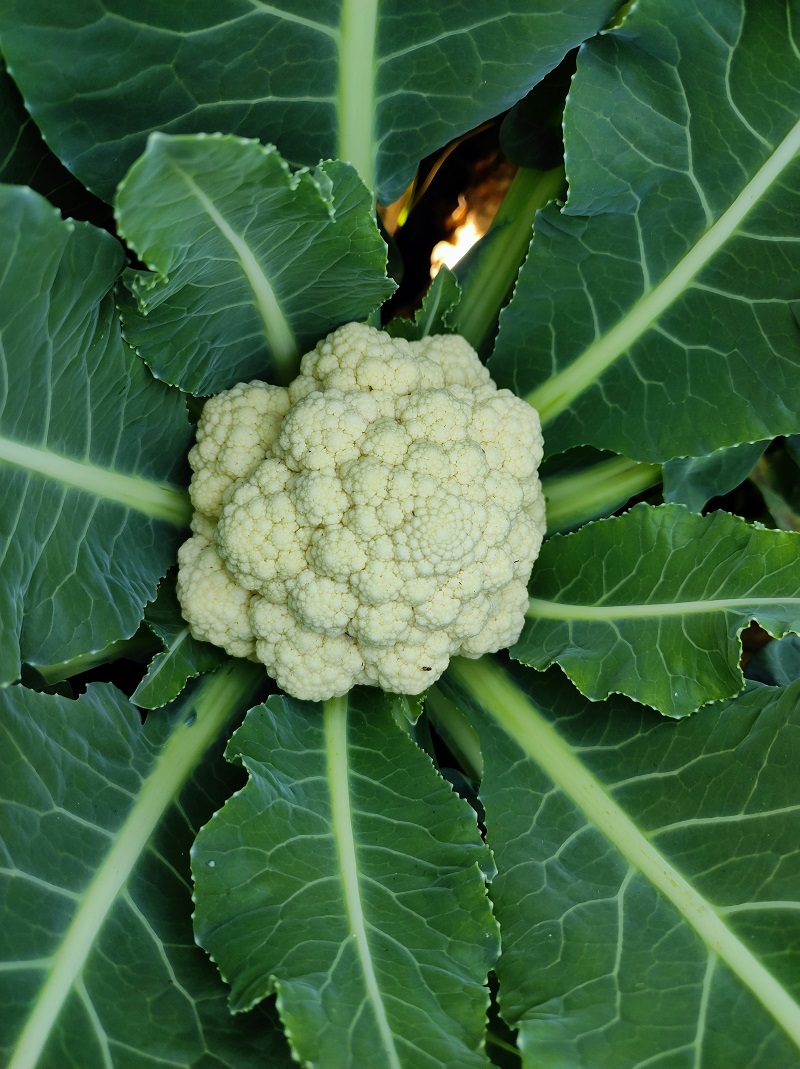
Introduction Cauliflower (Brassica oleracea var. botrytis) has evolved from a specialty vegetable to a mainstream superfood, driving unprecedented demand in American markets. This nutritious cruciferous crop commands premium prices at farmers’ markets and grocery stores, making it an attractive option for both home gardeners and commercial growers. While cauliflower has a reputation for being temperamental, understanding its specific requirements—cool temperatures, consistent moisture, and proper nutrient management—transforms this challenging crop into a reliable, profitable venture. Modern varieties have expanded the growing season beyond traditional spring and fall windows, opening opportunities for extended production. This comprehensive guide provides everything you need to successfully grow cauliflower, from variety selection and soil preparation through pest management and harvest timing. Whether you’re cultivating a few plants in your backyard or planning commercial acreage, mastering cauliflower production can deliver exceptional returns and premium-quality produce. Why Grow Cauliflower? Market and Nutritional Benefits Before diving into cultivation techniques, understanding cauliflower’s advantages helps justify the investment and attention this crop requires. Exceptional Nutritional Profile Cauliflower has earned its superfood status through impressive nutritional benefits: These nutritional credentials resonate strongly with health-conscious consumers driving market demand. Strong Market Demand and Premium Pricing Cauliflower enjoys robust market positioning driven by multiple consumer trends: Pricing Benchmarks: Market Drivers: Culinary Versatility Cauliflower’s adaptability in the kitchen expands its appeal: This versatility maintains consistent demand across seasons and market segments. Reasonable Production Timeline Compared to other brassicas like cabbage or Brussels sprouts, cauliflower offers relatively quick returns: Understanding Cauliflower: Growth Requirements and Challenges Cauliflower’s reputation as a difficult crop stems from its specific environmental needs and sensitivity to stress. Understanding these requirements is key to success. The Cauliflower Growth Cycle Cauliflower produces a “head” technically called a curd—a dense cluster of undeveloped flower buds. The plant progresses through distinct phases: Vegetative Phase (3-5 weeks post-transplant): Plants focus on leaf development, building the plant structure that will support curd formation. Curd Initiation (Week 5-7): Triggered by temperature and plant maturity, the growing point transitions from leaves to curd formation. Curd Development (3-4 weeks): The head enlarges rapidly, requiring optimal conditions and heavy nutrient uptake. Harvest Maturity: Timing is critical—wait too long and curds become loose, ricey, or discolored. Temperature Sensitivity: The Critical Factor Cauliflower is exceptionally temperature-sensitive during curd formation. Optimal Range: 60-65°F (15-18°C) daytime temperatures Problems from Temperature Extremes: Too Hot (above 80°F/27°C): Too Cold (below 50°F/10°C for extended periods): Temperature Stress Prevention: Moisture Requirements Consistent soil moisture is non-negotiable for quality cauliflower production. Water Needs: Problems from Inconsistent Water: Ideal Growing Conditions for Cauliflower Creating optimal conditions maximizes success rates and quality. Climate and Seasonal Considerations Best Growing Regions: Cauliflower thrives in coastal California, Pacific Northwest, upper Midwest, and mid-Atlantic states where cool temperatures prevail during growing seasons. USDA Zone Adaptations: Growing Season Windows: Spring Planting: Fall Planting: Overwintering (Mild Climates): Soil Requirements Proper soil conditions are foundational for healthy cauliflower. Ideal Soil Characteristics: Soil Testing and Amendment: Conduct comprehensive soil testing 2-3 months before planting, analyzing: pH Adjustment: Organic Matter Enhancement: Incorporate 2-3 inches of: Work amendments into top 8-12 inches 4-6 weeks before planting. Critical Micronutrients Cauliflower has specific micronutrient requirements, particularly: Boron: Essential for curd formation and quality. Deficiency causes: Application: 1-2 lbs borax per acre or foliar sprays Molybdenum: Required for nitrogen metabolism. Deficiency causes: Application: Often included in complete fertilizers or foliar applications Selecting Cauliflower Varieties Modern breeding has produced varieties adapted to different seasons, climates, and market preferences. White Cauliflower Varieties Early Season (55-65 days): Snow Crown: Minuteman: Mid-Season (70-80 days): Amazing: Skywalker: Late Season (85-100 days): Snowball Y Improved: Colored Varieties Colored cauliflower commands premium prices and attracts consumer attention. Purple: Graffiti: Violet Queen: Orange: Cheddar: Green (Romanesco): Veronica: Variety Selection Strategy For Beginners: Start with ‘Snow Crown’—most forgiving and reliable For Extended Harvest: Plant early, mid, and late varieties in succession For Premium Markets: Include colored varieties for visual appeal and higher prices For Commercial Production: Focus on uniform hybrids with good shelf life “ Step-by-Step Guide to Growing Cauliflower Step 1: Starting Seeds and Transplant Production Most commercial and serious home growers start cauliflower from transplants rather than direct seeding. Seed Starting Timeline: Seed Starting Procedure: Materials: Steps: Transplant Readiness: Hardening Off: Gradually acclimate seedlings to outdoor conditions over 7-10 days: Step 2: Field Preparation and Planting Timing: Spacing Requirements: In-Row Spacing: Between-Row Spacing: Planting Density: Transplanting Procedure: Best Time: Late afternoon or cloudy day to reduce transplant shock Image Suggestion 5: Proper cauliflower transplanting technique showing depth and spacingAlt Text: “Demonstration of correct cauliflower transplant depth and spacing in prepared bed” Irrigation and Fertilization Management Irrigation Strategy Consistent moisture is critical throughout the growing cycle, with increased demands during curd formation. Water Requirements by Growth Stage: Weeks 1-3 (Establishment): Weeks 4-6 (Vegetative Growth): Weeks 7-9 (Curd Initiation and Development): Final Week (Pre-Harvest): Irrigation Methods: Drip Irrigation (Recommended): Overhead Sprinkler: Furrow Irrigation: Monitoring Soil Moisture: Comprehensive Fertilization Program Cauliflower is a heavy feeder requiring substantial nutrients throughout its cycle. Pre-Plant Fertilization: Based on soil test results, incorporate: Apply 7-10 days before transplanting. Side-Dressing Schedule: Application 1 (2-3 weeks post-transplant): Application 2 (4-5 weeks post-transplant, at curd initiation): Organic Fertilization Options: Pre-Plant: Side-Dressing: Micronutrient Applications: Boron: Apply when plants have 6-8 leaves via: Molybdenum: Often included in complete fertilizers; if deficiency suspected: Essential Cultural Practices Blanching: Protecting Head Quality Many white cauliflower varieties require blanching—protecting developing curds from sunlight to maintain white color and prevent bitterness. Self-Blanching vs. Manual Blanching: Self-Blanching Varieties: Manual Blanching Required: Blanching Procedure: When: When curd reaches 2-3 inches diameter (size of a tennis ball) Methods: Leaf Tying: Leaf Breaking: Important: Check tied heads every 2-3 days—growth accelerates under cover. Harvest promptly when mature. Mulching Benefits Applying mulch around cauliflower plants provides multiple advantages: Benefits: Mulch Options: Organic: Synthetic: Application Timing: Apply 2-3 weeks after transplanting once soil has warmed and plants are established. Pest and Disease Management Cauliflower faces numerous pest and disease challenges requiring proactive management. Major Insect Pests Cabbage Worms and Loopers: Green caterpillars that chew holes
How to Grow Asparagus: A Complete Guide to Planting and Harvesting

Introduction Asparagus (Asparagus officinalis) stands apart from typical vegetable crops as a true long-term investment in your garden or farm. This perennial vegetable can produce tender, flavorful spears for 15-25 years from a single planting, making it one of the most rewarding crops for patient growers. While asparagus requires initial commitment and patience—you won’t harvest meaningful yields for 2-3 years—the payoff is substantial. Once established, these hardy plants deliver spring harvests year after year with minimal maintenance, commanding premium prices at farmers’ markets and appealing to health-conscious consumers seeking nutrient-dense vegetables. Whether you’re a home gardener planning for the future, a market farmer diversifying into high-value crops, or a commercial grower exploring perennial vegetable opportunities, this comprehensive guide provides everything you need to successfully grow asparagus from planting through decades of productive harvests. Why Invest in Growing Asparagus? Before committing to asparagus cultivation, understanding its unique advantages helps determine if this crop fits your agricultural goals. Decades of Production from One Planting Unlike annual vegetables requiring yearly replanting, asparagus crowns establish extensive root systems that produce for 15-25 years. Some well-maintained asparagus beds have remained productive for over 30 years, delivering remarkable return on initial investment. This longevity means: Premium Market Value Asparagus commands some of the highest prices in the produce section, particularly for locally-grown, fresh-cut spears. Market Pricing: Fresh local asparagus sells for significantly more than imported alternatives, and consumer willingness to pay premium prices for quality remains strong. Low Maintenance After Establishment Following the initial 2-3 years of patience and care, asparagus becomes one of the lowest-maintenance crops in agriculture. Annual tasks include: No trellising, pruning, or intensive pest management required. Nutritional Powerhouse Asparagus offers impressive nutritional benefits that appeal to health-conscious consumers: These health benefits support premium pricing and strong market demand. Climate Adaptability Asparagus thrives across a wide temperature range, succeeding in USDA hardiness zones 3-8, with some varieties adapted to zone 9. This broad adaptability makes asparagus viable across most of the continental United States. Understanding Asparagus: The Basics Asparagus is a perennial vegetable where the edible portion consists of young shoots (spears) that emerge from underground crowns each spring. Understanding the plant’s lifecycle is essential for successful cultivation. The Asparagus Lifecycle Year 1-2 (Establishment): Plants focus energy on developing extensive root systems (crowns) that can extend 5-6 feet wide and 10-15 feet deep. No harvesting occurs during this critical period. Year 3 (First Harvest): Light harvesting begins, typically 2-4 weeks of cutting to avoid stressing young plants. Year 4+ (Full Production): Beds reach full productivity with 6-8 week harvest seasons producing 0.5-1 pound of spears per crown annually. Male vs. Female Plants Asparagus plants are dioecious (separate male and female plants), an important consideration for production: Male Plants: Female Plants: Modern Varieties: Most contemporary asparagus varieties are all-male hybrids, eliminating female plants’ disadvantages and maximizing production efficiency. Ideal Growing Conditions for Asparagus Success with asparagus begins with matching the crop to appropriate site conditions. Climate Requirements Asparagus performs best in regions with distinct seasons, particularly cold winters that induce dormancy. Optimal Conditions: Why Cold Matters: Asparagus requires winter chilling hours (temperatures below 50°F) to break dormancy and trigger vigorous spring growth. Without adequate chilling, spear production decreases significantly. Regional Adaptations: Soil Requirements Asparagus is particular about soil conditions, requiring well-drained, fertile ground for optimal production. Soil Characteristics: Drainage Testing: Dig a hole 12 inches deep, fill with water, and observe drainage. If water remains after 6-8 hours, drainage is inadequate. Consider raised beds or select a different site. pH Management: Test soil pH before planting. If below 6.0, apply agricultural lime 2-3 months before planting. If above 7.5, incorporate sulfur to lower pH. Sunlight Needs Full sun exposure is critical for vigorous spear production. Requirements: Inadequate light results in thin, weak spears and reduced yields. Site Selection Considerations Choose locations with: Avoid: Soil Preparation: Foundation for Success Thorough soil preparation is the most important step in establishing productive asparagus beds. The effort invested now determines productivity for decades. Timing Prepare beds in fall for spring planting, allowing amendments to incorporate and settle over winter. Step-by-Step Soil Preparation 1. Weed Elimination: Remove all perennial weeds before planting—they’re difficult to control once asparagus is established. 2. Deep Tillage: Till or plow soil to 12-18 inch depth, breaking up compaction and incorporating amendments. 3. Organic Matter Incorporation: Add substantial amounts of organic material: Organic matter improves: 4. pH Adjustment: Based on soil test results: 5. Fertility Enhancement: Apply a complete fertilizer before planting: 6. Final Grading: Level and smooth the bed, creating slight crowns to ensure drainage. Pro Tip: Send soil samples to your local cooperative extension for comprehensive analysis including pH, nutrients, and organic matter content. This $15-30 investment prevents costly mistakes. Planting Asparagus: Seeds vs. Crowns Two planting methods exist for asparagus, each with distinct advantages and timelines. Starting from Seed Advantages: Disadvantages: Seed Starting Process: Planting Crowns (Recommended Method) Crowns are 1-year-old asparagus roots purchased from nurseries or specialty suppliers, the standard method for both home and commercial production. Advantages: Disadvantages: Crown Selection: Planting Instructions for Crowns Timing: Plant crowns in early spring when soil temperatures reach 50°F, typically March-May depending on location. Trench Method (Traditional): Alternative: Raised Bed Method For poorly-drained sites, plant crowns in raised beds 8-12 inches high, placing crowns 4-6 inches below the surface. Planting Density: Image Suggestion 4: Step-by-step diagram showing crown planting in trenchesAlt Text: “Illustration showing proper asparagus crown planting technique in prepared trenches with spacing measurements” Irrigation and Early Care Proper water management during establishment determines long-term productivity. First Year Irrigation Consistent moisture is critical for root development without waterlogging. Watering Guidelines: Irrigation Methods: Mulching Benefits: Apply 2-4 inches of organic mulch after shoots emerge: Best mulch materials: Straw, aged wood chips, shredded leaves, or pine needles Weed Management Weed competition seriously reduces establishment success. Asparagus can’t compete with aggressive weeds during early growth. Control Strategies: Critical Period: First 2-3 years require vigilant weed control; mature beds become more competitive. Fertilization Year 1: If
Hydroponics: How to Start and Profit from Sustainable Vegetable Growing

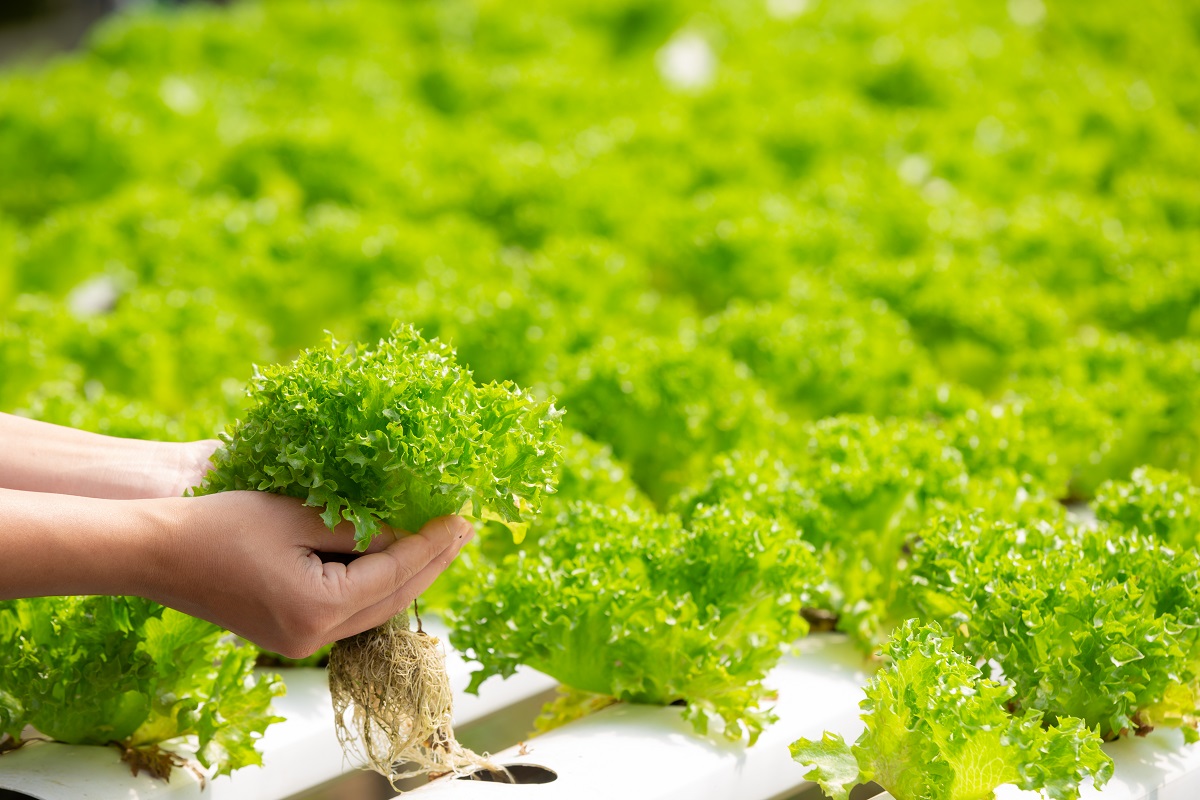
Introduction Hydroponics is revolutionizing modern agriculture, offering a sustainable, space-efficient alternative to traditional soil-based farming. This soilless growing method enables year-round production with up to 90% less water usage while delivering faster growth rates and premium-quality produce. Whether you’re an established farmer looking to diversify, an entrepreneur seeking profitable agricultural opportunities, or a sustainability advocate interested in innovative food production, hydroponics presents compelling advantages worth exploring. This comprehensive guide walks you through everything from basic concepts to building a profitable hydroponic vegetable operation. With urban agriculture gaining momentum and consumer demand for locally-grown, pesticide-free produce reaching new heights, now is an ideal time to enter the hydroponics market. Let’s explore how this technology can transform your agricultural ambitions into reality. What is Hydroponics? Hydroponics is a cultivation technique where plants grow without soil, receiving essential nutrients directly through water-based solutions. Instead of drawing nutrition from earth, plant roots are suspended in, flooded with, or misted by nutrient-enriched water carefully formulated to support optimal growth. This controlled environment approach allows growers to precisely manage every aspect of plant nutrition, delivering exactly what plants need at each growth stage. The result is faster maturation, higher yields, and consistent quality that traditional farming struggles to match. The Science Behind Soilless Growing In conventional agriculture, soil serves three primary functions: anchoring roots, storing water, and providing nutrients. Hydroponics replaces soil with inert growing media (like perlite, coconut coir, or clay pebbles) or suspends roots directly in nutrient solution, fulfilling these functions more efficiently. Plants grown hydroponically allocate less energy to root development searching for nutrients and water, instead channeling resources toward vegetative growth and fruit production. This efficiency explains why hydroponic lettuce can mature in 30-35 days compared to 45-60 days in soil. Key Components of Hydroponic Systems: Why Invest in Hydroponics? Key Business Advantages Hydroponics offers compelling benefits that translate directly into business opportunities, particularly for operations near urban markets or regions with limited arable land. Water Conservation Hydroponic systems use 80-90% less water than conventional agriculture through recirculation and precise delivery. In a closed system, plants take only what they need, with excess solution returning to the reservoir. This efficiency is crucial in water-scarce regions and increasingly appeals to sustainability-conscious consumers. For perspective, producing one head of lettuce in soil requires approximately 3-4 gallons of water, while hydroponics needs just 0.3-0.4 gallons for the same result. Year-Round Production Unlike field farming dependent on seasons and weather, controlled environment hydroponics enables continuous production regardless of external conditions. This consistency means: In regions with harsh winters, indoor hydroponics transforms what would be dormant months into productive, profitable periods. Superior Space Efficiency Vertical hydroponic systems can produce 10-20 times more per square foot than traditional farming. A 1,000-square-foot greenhouse can yield what requires several acres of conventional farmland. This density makes hydroponics particularly viable for: Faster Growth and Higher Yields Optimized nutrient delivery and environmental control accelerate plant development by 25-50%. Faster turnover means more crop cycles annually and increased revenue from the same infrastructure. Comparison Example: Premium Product Quality Hydroponic vegetables grown without soil contact and pesticides command premium prices at farmers’ markets, specialty grocers, and restaurants. The controlled environment produces: Growing Market Demand Consumer trends strongly favor hydroponic products. The US organic and local food market continues expanding, with hydroponic produce fitting perfectly into this niche. Key market drivers include: The global hydroponics market, valued at approximately $10 billion in 2023, is projected to reach $20+ billion by 2030, reflecting robust growth opportunities. Types of Hydroponic Systems for Vegetable Production Selecting the right system depends on your crops, scale, budget, and technical expertise. Here are the most popular systems for commercial vegetable production. 1. NFT (Nutrient Film Technique) The most widely adopted commercial system, NFT circulates a thin film of nutrient solution through slightly tilted channels, allowing plant roots to absorb nutrients while exposed to oxygen. Best for: Leafy greens (lettuce, arugula, spinach, kale), herbs (basil, cilantro, mint) Advantages: Considerations: Typical Setup: PVC pipes or specialized channels set at 1-2% slope with continuous nutrient flow powered by submersible pumps. 2. Deep Water Culture (DWC) / Floating Raft System Plants float on foam boards atop deep tanks of oxygenated nutrient solution, with roots submerged directly in the water. Best for: Lettuce, leafy greens, herbs Advantages: Considerations: Commercial Application: This system dominates large-scale lettuce production, with operations growing thousands of heads simultaneously in warehouse settings. 3. Drip Irrigation Hydroponics Nutrient solution drips onto plants rooted in inert substrate (coconut coir, perlite, rockwool, or expanded clay), with excess solution either recirculated (closed system) or drained (open system). Best for: Tomatoes, cucumbers, peppers, strawberries, larger plants Advantages: Considerations: System Variations: 4. Vertical Tower Systems Plants grow in stacked towers or columns, maximizing vertical space with nutrient solution dripping down through the structure. Best for: Strawberries, leafy greens, herbs, small fruiting vegetables Advantages: Considerations: 5. Ebb and Flow (Flood and Drain) Growing trays periodically flood with nutrient solution before draining back to a reservoir, cycling multiple times daily. Best for: Various vegetables, experimental setups, smaller operations Advantages: Considerations: How to Start a Hydroponic Vegetable Business: Step-by-Step Guide Launching a profitable hydroponics operation requires careful planning, technical knowledge, and business acumen. Follow this roadmap to build your venture from concept to revenue. Step 1: Market Research and Business Planning Before investing capital, thoroughly understand your market and create a solid business foundation. Identify Your Target Market: Who will purchase your produce? Each channel has different requirements and profit margins: Conduct Competitive Analysis: Visit local markets and survey potential buyers to understand: Choose Your Crop Focus: Start with 2-4 crops rather than attempting wide variety. Most profitable beginner options: Get Technical Education: Invest in your knowledge before equipment: Understand Legal Requirements: Required permits and registrations vary by state and locality: Develop Your Business Plan: Include financial projections, marketing strategy, operational timeline, and growth plans. This document is essential for securing financing and guiding decisions. Step 2: Infrastructure and System Setup With planning complete, design and build your growing infrastructure
How to Grow Melons: Varieties, Planting Tips, and Best Practices for a Sweet Harvest

Introduction Melons are among the most rewarding crops you can grow, delivering sweet, refreshing fruit that’s highly valued in farmers’ markets, grocery stores, and home gardens alike. Whether you’re a backyard gardener looking to enjoy homegrown cantaloupe or a commercial farmer exploring profitable warm-season crops, understanding proper melon cultivation techniques is essential for success. This comprehensive guide walks you through everything you need to know about growing melons, from site selection and soil preparation to variety selection and harvest timing. With the right approach, you can produce abundant, flavorful melons that command premium prices and satisfy even the most discerning palates. Understanding Melon Plants: The Basics Melons (Cucumis melo) belong to the Cucurbitaceae family, making them close relatives of cucumbers, squash, and pumpkins. These warm-season vines are prized for their sweet, juicy fruit and relatively straightforward growing requirements. Melons are heat-loving plants that thrive in warm, dry climates. They develop extensive root systems and sprawling vines that can spread 6-8 feet in all directions. Understanding their growth habits is crucial for planning your garden space and implementing proper cultivation techniques. Most melon varieties mature in 70-100 days from transplanting, making them an excellent choice for regions with long, hot summers. They’re particularly well-suited to USDA hardiness zones 4-11, with optimal production in zones 5-9. How to Grow Melons: Step-by-Step Planting Guide 1. Selecting the Perfect Location Choosing the right site is the foundation of successful melon production. These sun-loving plants have specific requirements that directly impact fruit quality and yield. Sunlight Requirements: Melons need full sun exposure to thrive. Select a location that receives at least 6-8 hours of direct sunlight daily. More sun exposure translates to sweeter fruit and healthier plants. Southern or western exposures typically provide the best light conditions. Air Circulation: Good airflow is essential for disease prevention and successful pollination. Choose an open area with moderate air movement, but avoid locations exposed to strong winds that can damage vines or interfere with pollinator activity. Drainage Considerations: Melons are highly susceptible to root rot and fungal diseases in waterlogged conditions. Avoid low-lying areas where water accumulates. Well-drained soil is non-negotiable for healthy melon production. Pro Tip: If you’re gardening in areas with heavy clay soil or poor drainage, consider building raised beds 8-12 inches high to ensure optimal growing conditions. 2. Soil Preparation and Fertilization Soil quality directly impacts melon sweetness, size, and overall plant health. Proper preparation before planting sets the stage for a successful harvest. Ideal Soil Texture: Melons perform best in sandy loam or loamy soils that are loose and well-aerated. These soil types warm quickly in spring and provide excellent drainage while retaining adequate moisture. Nutrient Enrichment: Before planting, incorporate 2-4 inches of well-composted organic matter into the top 6-8 inches of soil. Aged manure, compost, or worm castings provide essential nutrients and improve soil structure. pH Requirements: Melons prefer slightly acidic to neutral soil with a pH between 6.0 and 6.8. Test your soil using a home testing kit or through your local cooperative extension service. If pH adjustments are needed, apply lime to raise pH or sulfur to lower it, following package directions. Soil Amendments: For heavy clay soils, mix in coarse sand or perlite to improve drainage. Add gypsum to help break up clay particles and improve soil structure without altering pH. Pre-Planting Fertilization: Apply a balanced fertilizer (10-10-10 or similar) at planting time, following package recommendations. Alternatively, use organic options like fish emulsion or kelp meal for sustainable production. 3. Planting Melons: Seeds vs. Transplants You can start melons from seed or purchase transplants from a nursery. Each method has advantages depending on your climate and growing season. Direct Seeding Method: Transplant Method: Spacing Guidelines: Proper spacing is critical for air circulation and disease prevention. For bush varieties, allow 2-3 feet between plants. For vining types, maintain 3-4 feet between plants with 5-6 feet between rows. Thinning: After seedlings emerge and develop their first true leaves, thin to the strongest plant per hill. This concentrates nutrients and energy into producing larger, sweeter fruit. 4. Irrigation Management for Sweet Melons Water management is perhaps the most critical factor in producing sweet, flavorful melons. Understanding when and how much to water makes the difference between mediocre and exceptional fruit. Early Growth Phase (0-30 days): During establishment, maintain consistently moist soil without waterlogging. Water deeply 2-3 times per week, providing 1-2 inches of water weekly. Focus on developing strong root systems that will support heavy fruit production. Flowering and Fruit Set (30-60 days): Continue regular irrigation as plants flower and set fruit. Inconsistent watering during this phase can cause blossom end rot or fruit cracking. Maintain soil moisture at 60-80% of field capacity. Fruit Development (60-80 days): As melons approach full size, gradually reduce watering frequency. Slight water stress during the final 2-3 weeks before harvest concentrates sugars, resulting in sweeter, more flavorful fruit. Irrigation Methods: Water Quality Considerations: In arid regions with high salinity water, monitor electrical conductivity (EC) levels. Melons are moderately sensitive to salt, with yield reductions occurring above 2.2 dS/m. Pollination and Fruit Set Successful pollination is essential for melon production. Melons produce separate male and female flowers on the same plant, requiring pollinators to transfer pollen between flowers. Natural Pollination: Honeybees, native bees, and other insects are primary pollinators. In commercial operations, placing bee hives near melon fields at a rate of 2-3 hives per acre significantly improves pollination rates and fruit quality. Hand Pollination: In areas with limited pollinator populations, hand pollination ensures fruit set. Using a small brush or cotton swab, transfer pollen from male flowers (those with thin stems) to female flowers (those with small fruit at the base). Early morning is the best time for this activity. Pollination Challenges: Extreme heat above 95°F (35°C), high humidity, or pesticide use during flowering can reduce pollinator activity and impact fruit set. Climate and Growing Season Requirements Melons are definitively warm-season crops with specific temperature requirements for optimal production. Temperature Range: Regional Adaptations: Season Extension
Peppers Growing Guide: Types and Cultivation

Did you know that Americans consume over 20 pounds of peppers per person annually? From the mild bell pepper gracing our salads to the fiery Carolina Reaper challenging our taste buds, peppers have become an essential ingredient in American kitchens – and a rewarding crop for home gardeners. Whether you’re a backyard gardening enthusiast looking to spice up your harvest or a small-scale farmer exploring profitable specialty crops, this comprehensive guide will walk you through everything you need to know about growing peppers successfully in American growing conditions. What Makes Peppers Special? Understanding the Capsicum Family Peppers belong to the Capsicum genus, with over 3,000 varieties ranging from sweet bell peppers to superhot Carolina Reapers. These versatile plants are actually fruits (botanically berries), packed with vitamins A and C, antioxidants, and the famous compound capsaicin that gives them their heat. The heat level in peppers is measured using the Scoville Heat Unit (SHU) scale, developed by American pharmacist Wilbur Scoville in 1912. This scale ranges from 0 SHU for bell peppers to over 2 million SHU for the hottest varieties. The American Pepper Market The U.S. pepper market is valued at over $1.5 billion annually, with growing demand for specialty varieties driving premium prices. According to USDA data, specialty peppers can command $3-8 per pound at farmers markets, compared to $1-2 for common varieties. Types of Peppers: From Sweet to Superhot Sweet Peppers (0-100 SHU) Bell Peppers Italian Sweet Peppers Mild Heat Peppers (100-8,000 SHU) Poblano/Ancho Peppers Jalapeño Peppers Medium Heat Peppers (8,000-100,000 SHU) Serrano Peppers Cayenne Peppers Hot Peppers (100,000+ SHU) Habanero Peppers Ghost Peppers (Bhut Jolokia) Step-by-Step Pepper Growing Guide Step 1: Planning and Site Selection Climate Requirements: Site Selection Criteria: Step 2: Soil Preparation and Amendments Soil Testing: Conduct soil tests to determine pH, nutrient levels, and organic matter content. Most extension offices provide affordable testing services. Soil Amendment Recipe: Container Growing Mix: Step 3: Starting Seeds vs. Transplants Seed Starting (8-10 weeks before last frost): Indoor Setup: Germination Timeline: Transplant Option: Purchase healthy transplants from reputable nurseries. Look for stocky plants with dark green foliage and no signs of disease or pests. Step 4: Transplanting and Garden Setup Timing: Planting Spacing: Hardening Off Process: Gradually acclimate seedlings to outdoor conditions over 7-10 days before transplanting. Step 5: Ongoing Care and Maintenance Watering Strategy: Fertilization Schedule: Support Systems: Step 6: Pest and Disease Management Common Pests: Disease Prevention: Organic Treatment Options: Step 7: Harvesting and Post-Harvest Handling Harvest Timing: Harvesting Technique: Storage Options: Regional Growing Considerations Northern States (Zones 3-6) Challenges: Solutions: Southern States (Zones 8-10) Advantages: Considerations: Southwest (Zones 7-9) Ideal Conditions: Water Management: Container Growing for Small Spaces Container Selection Size Requirements: Material Options: Container Growing Benefits Advantages: Management Considerations: Value-Added Opportunities Direct Sales and Marketing Farmers Market Success: Specialty Restaurant Sales: Processing and Value Addition Hot Sauce Production: Dehydrated Products: Agritourism Integration Farm Tours and Education: Health Benefits and Culinary Uses Nutritional Value Vitamin Content: Health Benefits: Culinary Applications Fresh Uses: Preservation Methods: Technology and Innovation in Pepper Production Precision Agriculture Applications Climate Control: Data Collection: Sustainable Production Practices Integrated Pest Management: Water Conservation: Common Problems and Solutions Growing Challenges Problem: Slow germination of hot pepper seeds Solution: Maintain consistent 80-85°F temperature and consider pre-soaking seeds Problem: Blossom end rot in developing fruits Solution: Ensure consistent watering and adequate calcium availability Problem: Low fruit set despite flowering Solution: Hand-pollinate flowers or improve growing conditions for natural pollinators Quality Issues Problem: Mild heat in supposedly hot varieties Solution: Stress plants slightly with reduced watering and ensure full maturity Problem: Cracked or split fruits Solution: Maintain consistent soil moisture and avoid overwatering Problem: Poor flavor development Solution: Allow full ripening and provide adequate sunlight and nutrition Economic Analysis and Profitability Production Costs (per 100 plants) Initial Investment: Annual Operating Costs: Revenue Potential Fresh Sales: Value-Added Products: Future Trends and Opportunities Market Developments Growing Demand: Technology Integration: Breeding and Variety Development New Varieties: Breeding Goals: Conclusion: Growing Success with Peppers Peppers offer one of the most rewarding and profitable opportunities for both home gardeners and commercial growers in American agriculture. From the satisfaction of harvesting your first homegrown jalapeño to building a successful specialty pepper business, these versatile plants provide endless possibilities. Success with pepper cultivation comes down to understanding the fundamentals: proper variety selection, optimal growing conditions, consistent care, and appropriate harvesting techniques. Whether you’re growing a few plants in containers on your patio or managing acres of specialty varieties for commercial sales, the principles remain the same. The American pepper market continues to evolve, driven by increasing interest in diverse cuisines, health-conscious consumers, and the farm-to-table movement. Growers who focus on quality, unique varieties, and sustainable practices will find eager markets for their products. Start with varieties suited to your climate and experience level, learn from each growing season, and gradually expand your knowledge and production. The combination of relatively simple growing requirements, high value per square foot, and strong market demand makes peppers an excellent choice for both beginning and experienced growers. Remember that pepper growing is both an art and a science. While the fundamentals provide your foundation, each growing season brings new learning opportunities and chances to refine your techniques. Embrace the process, enjoy the harvest, and share the spicy goodness with your community. Ready to start your pepper growing journey? What varieties are you most excited to try, and what growing challenges do you face in your region? Share your pepper growing plans in the comments below, and don’t forget to check out our companion article on “Building Soil Health for Maximum Vegetable Production” to optimize your growing foundation.
What Is Hay? Complete Production Guide for Quality Forage | American Farmers

When feed costs are skyrocketing and drought conditions challenge pasture availability, smart farmers turn to one of agriculture’s most reliable solutions: hay production. But what exactly is hay, and how can you produce premium-quality forage that maximizes nutrition while minimizing costs? Whether you’re a seasoned rancher looking to optimize your hay operation or a beginning farmer exploring forage options, this comprehensive guide will walk you through every step of successful hay production – from field to barn. What Is Hay? Understanding the Fundamentals Hay is dehydrated forage made from grasses, legumes, or other herbaceous plants that have been cut, dried, and stored for livestock feed. The process transforms fresh, perishable forage into a stable, nutrient-dense feed that can be stored for months or even years when properly managed. The key difference between hay and other forage lies in moisture content. Fresh pasture contains 70-85% moisture, while properly cured hay contains only 15-20% moisture. This dramatic reduction in water content prevents spoilage, allows for long-term storage, and concentrates nutrients into a convenient, transportable form. Types of Hay: Understanding Your Options Grass Hay: Legume Hay: Mixed Hay: Why Produce Hay? The Economic and Practical Benefits Financial Advantages Cost Control: Producing your own hay can reduce feed costs by 40-60% compared to purchasing premium hay, especially during drought years when hay prices spike. Market Opportunities: Quality hay commands premium prices. According to USDA market reports, prime alfalfa hay sells for $200-300+ per ton in many regions. Risk Management: On-farm hay production provides insurance against feed shortages and price volatility. Operational Benefits Feed Security: Ensures consistent feed availability regardless of weather conditions or market disruptions Quality Control: Direct oversight of production practices guarantees feed quality and safety Flexibility: Ability to time harvests for optimal nutrition and adjust production based on livestock needs Land Utilization: Maximizes productivity of marginal or rotating cropland Best Forage Species for American Hay Production Premium Grass Options Timothy (Phleum pratense) Orchardgrass (Dactylis glomerata) High-Value Legumes Alfalfa (Medicago sativa) Red Clover (Trifolium pratense) Regional Specialties Bermudagrass (Southeast) Sudan-Sorghum Hybrids (Great Plains) Step-by-Step Hay Production Process Step 1: Field Preparation and Planning Soil Testing: Conduct annual soil tests to determine pH, fertility, and lime requirements. Most hay crops perform best with pH 6.0-7.0. Fertilization Strategy: Apply phosphorus and potassium based on soil test recommendations. Legumes require less nitrogen due to biological fixation. Weed Management: Control broadleaf weeds and grasses that reduce hay quality and yield. [Image suggestion: Farmer taking soil samples in hayfield with testing kit. Alt: “Soil testing for optimal hay field management and fertilizer application”] Step 2: Timing the Cut – Critical for Quality Optimal Cutting Stages: Timing Considerations: Step 3: Cutting Operations Equipment Options: Cutting Height Guidelines: Step 4: Field Curing – The Make-or-Break Stage Moisture Management: Tedding and Raking: Weather Challenges: Step 5: Baling Operations Small Square Bales (14″x18″ typical): Large Square Bales (3’x3’x8′ typical): Round Bales (4’x5′ typical): Step 6: Storage and Preservation Indoor Storage (Premium Option): Outdoor Storage: Storage Best Practices: Quality Assessment and Testing Visual Quality Indicators Excellent Hay: Poor Quality Hay: Laboratory Testing Nutritional Analysis: Cost-Benefit: Testing costs $15-25 per sample but provides valuable information for marketing and feeding programs. Hay for Different Livestock Species Dairy Cattle Requirements Premium Alfalfa Specifications: Feeding Strategy: High-quality hay supports milk production and reduces concentrate needs by 15-25%. Beef Cattle Applications Cow-Calf Operations: Backgrounding/Growing Cattle: Horse Hay Specifications Critical Quality Factors: Species Preferences: Small Livestock and Specialty Markets Goats and Sheep: Small Animal/Pet Market: Economic Considerations and Profitability Production Cost Analysis Variable Costs (per acre): Fixed Costs: Revenue Potential Yield Expectations: Market Prices (Regional Averages): Marketing Strategies Direct Sales Advantages: Wholesale Considerations: Technology and Innovation in Hay Production Precision Agriculture Applications GPS-Guided Equipment: Yield Monitoring: Weather Monitoring Tools Smartphone Apps: Weather Stations: Storage Innovation Hay Preservatives: Monitoring Systems: Common Mistakes and How to Avoid Them Harvesting Errors Mistake: Cutting at wrong maturity stage Solution: Monitor crop development and cut at optimal stage for intended use Mistake: Baling too wet Solution: Invest in moisture meter and test before baling (target 18-20% maximum) Storage Problems Mistake: Poor storage site selection Solution: Choose well-drained locations with good air circulation Mistake: Inadequate protection from weather Solution: Invest in proper storage structures or high-quality outdoor protection Quality Issues Mistake: Ignoring weather forecasts Solution: Only cut hay with 2-3 day clear weather window Mistake: Rough handling causing leaf loss Solution: Adjust equipment speed and settings to minimize mechanical damage Regulatory and Safety Considerations Food Safety Modernization Act (FSMA) For farms selling hay as animal feed: Worker Safety Equipment Safety: Storage Safety: Future Trends and Opportunities Sustainable Production Practices Organic Certification: Carbon Sequestration: Value-Added Opportunities Processed Hay Products: Agritourism Integration: Conclusion: Building a Profitable Hay Enterprise Success in hay production comes down to attention to detail, timing, and understanding your market. From selecting the right forage species for your region to mastering the critical field curing process, each step in hay production directly impacts your final product’s quality and profitability. The fundamentals remain constant: cut at the right stage, cure properly, store correctly, and match your product to your target market. But today’s successful hay producers also leverage technology, embrace sustainable practices, and continuously adapt to changing market conditions. Whether you’re producing a few hundred bales for your own livestock or managing a commercial operation producing thousands of tons annually, the principles in this guide will help you maximize both quality and profitability. Remember, hay production is both an art and a science. Start with solid fundamentals, learn from each season’s challenges, and continuously refine your approach. The investment in knowledge and proper equipment pays dividends through higher quality hay, reduced losses, and satisfied customers. The American hay market continues to evolve, driven by changing livestock nutrition understanding, environmental considerations, and global trade opportunities. Producers who focus on quality, efficiency, and market relationships will find hay production to be a rewarding and profitable enterprise. Ready to start or improve your hay operation? What specific challenges are you facing with hay production on your farm?
Green Manure Guide: Boost Soil Health & Cut Fertilizer Costs | Sustainable Agriculture

Are you tired of watching your input costs skyrocket while your soil health deteriorates? What if there was a time-tested method that could slash your fertilizer bills, improve your soil structure, and boost your crop yields—all while supporting environmental sustainability? Welcome to the world of green manure, a game-changing practice that’s helping American farmers build healthier, more profitable operations from the ground up. What Is Green Manure and Why Should You Care? Green manure refers to the practice of growing specific plants—called cover crops—with the primary purpose of incorporating them back into the soil to enhance fertility and structure. Unlike synthetic fertilizers that provide a quick nutrient fix, green manure works as a long-term soil investment strategy. Think of green manure as nature’s own fertilizer factory. These specially chosen plants work around the clock to capture atmospheric nitrogen, break up compacted soil layers, and create a thriving underground ecosystem that benefits your cash crops for seasons to come. The Science Behind Green Manure The magic happens through several biological processes: Nitrogen Fixation: Leguminous cover crops form symbiotic relationships with rhizobia bacteria, converting atmospheric nitrogen into plant-available forms—essentially creating free fertilizer. Soil Structure Enhancement: Deep-rooted plants break through hardpan layers while fibrous root systems improve soil aggregation and porosity. Organic Matter Addition: When incorporated, these plants decompose to form humus, the foundation of fertile soil. Economic Benefits That Impact Your Bottom Line Dramatic Reduction in Fertilizer Costs According to USDA research, farmers implementing comprehensive green manure programs can reduce their nitrogen fertilizer needs by 50-80%. With nitrogen prices averaging $0.45-$0.60 per pound in recent years, this translates to savings of $40-120 per acre annually. Real-world example: A 1,000-acre corn operation in Iowa reported saving $65,000 in fertilizer costs during their first three years of implementing crimson clover and winter rye rotation. Improved Crop Yields and Quality Green manure doesn’t just save money—it makes money. Studies from land-grant universities across the Midwest show: Extended Equipment Life Healthy soil structure reduces the need for intensive tillage, extending the life of tractors, implements, and reducing fuel costs. Farmers report 20-30% reduction in machinery wear when transitioning to green manure systems. Environmental Benefits: More Than Just Good Stewardship Erosion Control and Water Management The NRCS estimates that proper cover crop implementation can reduce soil erosion by up to 90%. This protection is crucial given that the U.S. loses approximately 4.6 tons of topsoil per acre annually. Green manure also improves water infiltration rates by 25-50%, reducing runoff and increasing drought resilience—particularly valuable as weather patterns become more unpredictable. Carbon Sequestration and Climate Benefits Cover crops sequester 0.1-1.0 tons of carbon dioxide equivalent per acre annually. With emerging carbon credit markets paying $15-50 per ton, this represents an additional revenue stream while supporting climate goals. Biodiversity Enhancement Green manure systems support beneficial insects, soil microorganisms, and wildlife. A diverse soil ecosystem means fewer pest problems and reduced need for costly interventions. Top Green Manure Species for American Agriculture Legumes: Nature’s Nitrogen Factories Crimson Clover (Trifolium incarnatum) Hairy Vetch (Vicia villosa) Red Clover (Trifolium pratense) Grasses: Soil Structure Champions Winter Rye (Secale cereale) Annual Ryegrass (Lolium multiflorum) Oats (Avena sativa) Brassicas: Soil Health Specialists Radishes (Raphanus sativus) Turnips (Brassica rapa) Step-by-Step Implementation Guide Step 1: Soil Testing and Goal Setting Before selecting cover crops, conduct comprehensive soil tests including: Pro tip: Work with your local NRCS office or extension agent to identify specific soil limitations and matching cover crop solutions. Step 2: Species Selection Strategy Choose cover crops based on: Step 3: Seeding Recommendations Timing: Seeding rates (broadcast): Equipment options: Step 4: Management Throughout Growing Season Fall establishment: Spring management: Step 5: Termination and Incorporation Methods Mechanical termination: Chemical termination: Natural termination: Common Mistakes and How to Avoid Them Mistake #1: Poor Species Selection Many farmers choose cover crops based on seed cost rather than suitability. A $30/acre investment in the right species outperforms a $15/acre investment in the wrong species every time. Solution: Consult with local agronomists and consider multi-species mixes for diverse benefits. Mistake #2: Inadequate Seeding Depth Cover crop seeds are often smaller than cash crop seeds and require different planting depths: Solution: Calibrate equipment specifically for cover crop seeding rates and depths. Mistake #3: Timing Errors Late planting reduces biomass production and nitrogen fixation. Early termination wastes growth potential. Solution: Plan cover crop schedules alongside cash crop rotations. Use growing degree day models for optimal timing. Mistake #4: Nutrient Imbalance Adding nitrogen fertilizer to legume cover crops reduces their nitrogen-fixing capacity. Solution: Limit nitrogen application to starter rates (15-20 lbs N/acre) for mixed stands only. Advanced Green Manure Strategies Multi-Species Cocktails Modern farmers are moving beyond single-species plantings to diverse mixes that provide multiple benefits: Example Mix for Midwest: Integration with Precision Agriculture GPS-guided variable rate seeding allows customized cover crop prescriptions based on soil variability within fields. This precision approach optimizes both costs and benefits. Livestock Integration Grazing cover crops adds another revenue stream while maintaining soil benefits. Proper management maintains 50% residue coverage for continued soil protection. Economic Analysis: ROI on Green Manure Investment Initial Investment (per acre): Annual Benefits (per acre): Break-even timeline: 6-18 months Regulatory Considerations and Programs USDA Conservation Programs Several federal programs support green manure adoption: Conservation Stewardship Program (CSP): Environmental Quality Incentives Program (EQIP): State and Local Incentives Many states offer additional programs: Check with your state department of agriculture for current offerings. Future of Green Manure in American Agriculture Technology Integration Emerging technologies are making green manure more precise and profitable: Carbon Markets Growing carbon credit programs provide additional revenue: Climate Adaptation As weather patterns shift, green manure becomes increasingly valuable for: Getting Started: Your Green Manure Action Plan Phase 1: Education and Planning (Month 1-2) Phase 2: Small-Scale Trial (Year 1) Phase 3: Expansion (Year 2-3) Phase 4: Optimization (Year 3+) Conclusion: Invest in Your Soil’s Future Today Green manure represents one of agriculture’s most proven yet underutilized tools for building sustainable, profitable farming operations. The evidence is clear: farmers who implement comprehensive
Silage Production: Types, Methods, and Best Practices

Maximizing Feed Quality with Silage Production In the challenging landscape of American agriculture, maintaining consistent, high-quality feed for livestock throughout the year is crucial for operational success. Silage production offers a proven solution that transforms seasonal forage abundance into nutritious, preserved feed that maintains its quality for months. Whether you’re managing a dairy operation in Wisconsin, running cattle in Texas, or operating a mixed farming enterprise in the Midwest, understanding how to produce silage can significantly impact your bottom line. This comprehensive guide will walk you through everything you need to know about silage types, production methods, and implementation strategies that work in diverse American farming conditions. What is Silage? Understanding the Fermentation Process Silage is preserved forage created through controlled anaerobic fermentation. This process involves storing chopped plant material in an oxygen-free environment, allowing beneficial bacteria to convert plant sugars into organic acids that preserve nutrients and prevent spoilage. The fermentation process typically takes 30-40 days and creates an environment with a pH between 3.8-4.2, which effectively preserves: Key Benefits of Silage: Types of Silage: Choosing the Right Option for Your Operation 1. Corn Silage: The Gold Standard for Energy-Dense Feed Corn silage remains the most popular choice among American farmers, particularly in the Corn Belt states where growing conditions are optimal. Nutritional Advantages: Production Benefits: Best Applications: High-producing dairy cows, feedlot cattle, and operations requiring maximum energy density in forage rations. 2. Sorghum Silage: Drought-Tolerant Alternative Sorghum silage provides excellent value for operations in semi-arid regions or during drought conditions, making it particularly valuable in states like Kansas, Nebraska, and Texas. Key Advantages: Nutritional Profile: Recommended Applications: Beef cattle operations in arid regions, cost-conscious dairy operations, and as a backup crop during drought years. 3. Grass Silage: Maximizing Pasture Resources Grass silage offers an excellent opportunity to preserve excess forage during peak growing seasons, particularly valuable for operations with extensive pasture systems. Common Grass Types for Silage: Production Considerations: Benefits: 4. Alternative Silage Options Small Grain Silage (Wheat, Barley, Oats): Baleage (Wrapped Hay): How to Produce Silage: Step-by-Step Production Guide Phase 1: Crop Selection and Harvest Timing Critical Success Factors: Harvest Timing by Crop Type: Phase 2: Cutting and Processing Equipment Considerations: Processing Guidelines: Phase 3: Storage System Selection Bunker Silos: Bag Silos: Upright Silos: Phase 4: Filling and Compaction Critical Steps: Quality Control Measures: Phase 5: Sealing and Fermentation Sealing Best Practices: Fermentation Monitoring: Feeding Management: Maximizing Silage Value Ration Formulation Guidelines Daily Feed Requirements: Transition Protocol: Storage and Feedout Management Daily Management Practices: Equipment Considerations: Common Production Mistakes and How to Avoid Them Harvest-Related Errors Moisture Content Issues: Processing Problems: Storage Management Failures Poor Compaction: Inadequate Sealing: Delayed Feeding: Economic Benefits and Return on Investment Cost Analysis Framework Production Costs (per ton): Value Comparison: Long-term Benefits Risk Management: Operational Efficiency: Quality Assessment and Testing Visual Quality Indicators Good Quality Silage: Poor Quality Signs: Laboratory Testing Parameters Essential Tests: Testing Timeline: Regional Considerations for American Farmers Climate Zone Adaptations Northern Plains/Midwest: Southern States: Western States: Regulatory Compliance Environmental Considerations: Food Safety Modernization Act (FSMA): Future Trends in Silage Production Technology Integration Precision Agriculture: Data Management: Sustainability Initiatives Carbon Sequestration: Resource Efficiency: Conclusion: Maximizing Your Silage Investment Successful silage production requires attention to detail, proper timing, and consistent management practices. By following the guidelines outlined in this comprehensive guide, American farmers can produce high-quality silage that provides reliable, cost-effective nutrition for their livestock operations. The key to success lies in understanding your specific operation’s needs, selecting appropriate crops and storage systems, and maintaining rigorous quality control throughout the production and feeding process. Whether you’re producing corn silage in Iowa, sorghum silage in Kansas, or grass silage in Vermont, these fundamental principles will help you achieve optimal results.
Complete Guide to Oat Cultivation: From Planting to Profitable Harvest

Oats (Avena sativa) represent one of America’s most versatile and resilient cereal crops, offering exceptional opportunities for farmers seeking profitable, sustainable grain production. From the rolling hills of Minnesota and Wisconsin to the plains of North Dakota and Montana, oats have proven their value as both a human food source and livestock feed across diverse growing regions. Understanding how to cultivate oats successfully can significantly enhance farm profitability and sustainability. Unlike many cereal crops that require intensive management, oats thrive in cooler climates and marginal soils where corn and soybeans may struggle. This adaptability, combined with growing consumer demand for healthy whole grains and the crop’s excellent rotation benefits, makes oat cultivation an increasingly attractive option for American farmers. The U.S. oat industry, while smaller than corn or wheat production, generates substantial value through premium food markets, organic production, and specialized feed applications. With the rising popularity of oat-based foods like oatmeal, granola, and plant-based milk alternatives, farmers who master oat production techniques can tap into lucrative market opportunities while supporting sustainable agricultural systems. This comprehensive guide will walk you through every aspect of successful oat cultivation, from soil preparation and variety selection through harvest timing and storage management, ensuring you have the knowledge needed to build a profitable oat farming operation. Understanding Oats: America’s Resilient Cereal Crop The Role of Oats in American Agriculture Oats have been cultivated in North America since colonial times, with European settlers recognizing their value for both human consumption and livestock feed. Today, the United States ranks among the world’s top oat producers, with production concentrated in the upper Midwest states including Minnesota, Wisconsin, North Dakota, South Dakota, and Iowa. American oat farming has evolved significantly from its historical roots, now incorporating modern varieties, precision agriculture techniques, and sophisticated marketing strategies. The crop’s unique characteristics make it particularly valuable in sustainable farming systems, serving as an excellent nurse crop for establishing perennial forages and providing natural pest management benefits in crop rotations. Nutritional and Economic Value of Oats The nutritional profile of oats has driven renewed interest in this ancient grain. Oats contain high levels of beta-glucan fiber, which has been scientifically proven to lower cholesterol levels and support cardiovascular health. This health benefit, recognized by the FDA, has created premium market opportunities for oat producers. Key nutritional components include: Oat Varieties and Market Applications American oat production focuses on several distinct market categories, each with specific variety requirements and end-use applications. Food-grade oats command premium prices and require varieties with high groat percentage, white hulls, and low beta-glucanase activity. Popular varieties include HiFi, Shelby 427, and Deon for their excellent milling characteristics. Feed oats prioritize yield and disease resistance, with varieties like Jerry, Hayden, and Rockford providing excellent livestock nutrition at competitive prices. Specialty oats include hull-less varieties for direct human consumption and organic production systems that meet strict certification requirements without synthetic inputs. Soil Requirements and Field Preparation for Oats Understanding Oat Soil Preferences Learning how to cultivate oats begins with understanding this crop’s soil requirements. Oats are remarkably adaptable to various soil conditions, making them excellent for marginal ground where other grains might struggle. However, proper soil preparation still significantly impacts yield and quality outcomes. Ideal soil conditions for oats: Comprehensive Soil Testing and Analysis Soil testing provides the foundation for successful oat production by identifying nutrient deficiencies and pH imbalances that could limit yield potential. Testing should occur every 2-3 years or when changing field management practices. Essential soil test parameters: Fertility Management and Soil Amendment Oat fertility requirements are moderate compared to corn or wheat, but proper nutrition still significantly impacts both yield and grain quality. Nitrogen management requires particular attention, as excessive levels can cause lodging while insufficient amounts limit protein content. Fertility guidelines for oats: Land Preparation Techniques Field preparation for oats can be minimal compared to other crops, particularly when following a clean crop like soybeans. The key is creating a firm, level seedbed that ensures good seed-to-soil contact without excessive tillage that depletes soil organic matter. Tillage considerations: Oat Variety Selection and Planting Strategies Choosing the Right Oat Variety Variety selection significantly impacts the success of your oat farming operation. The choice depends on your target market, local growing conditions, disease pressure, and management preferences. Factors influencing variety selection: Regional Variety Recommendations Different oat-growing regions have developed specific variety recommendations based on local climate conditions, disease pressure, and market demands. Upper Midwest varieties emphasize disease resistance and food-grade quality, with options like Deon, HiFi, and Shelby 427 performing well across Minnesota, Wisconsin, and Iowa. Northern Plains varieties focus on drought tolerance and early maturity, with Jerry, Hayden, and Morton showing excellent adaptation to North Dakota and Montana conditions. Northeastern varieties prioritize disease resistance in humid conditions, with varieties like Saber and Perfecta performing well in Pennsylvania, New York, and New England states. Seeding Rates and Depth Management Proper seeding rate ensures adequate plant population while avoiding overcrowding that can increase disease pressure and lodging risk. Seeding depth affects emergence timing and seedling vigor. Seeding guidelines: Planting Timing Optimization Timing oat planting correctly maximizes yield potential while minimizing weather-related risks. Oats prefer cool, moist conditions for establishment and early growth. Optimal planting windows: Crop Management and Cultural Practices Irrigation Management for Oats While oats are more drought-tolerant than many cereal crops, proper water management can significantly improve yields in areas with limited or variable rainfall. Understanding oat water requirements helps optimize irrigation scheduling and efficiency. Water management principles: Fertility Management During Growing Season Oat nutrition requirements change throughout the growing season, requiring strategic fertilizer timing to maximize both yield and quality while minimizing environmental impact. Seasonal nutrition management: Weed Control Strategies Effective weed management in oats combines cultural practices with targeted herbicide applications. The crop’s competitive ability helps suppress many weeds when properly established. Integrated weed management: Disease and Pest Management Oats face several disease and pest challenges that can significantly impact yield and quality. Integrated pest management approaches provide the most effective and sustainable
Complete Guide to Rice Cultivation: From Field Preparation to Harvest Success

Rice cultivation in the United States represents a sophisticated agricultural enterprise that feeds millions while supporting rural economies across key growing regions. From the flooded fields of Arkansas and Louisiana to the precision-managed paddies of California and Texas, American rice farming combines traditional water management techniques with cutting-edge agricultural technology to produce some of the world’s highest-quality grain. Understanding how to cultivate rice requires mastering the unique challenges of this semi-aquatic crop. Unlike most field crops, rice thrives in flooded conditions, demanding specialized knowledge of water management, soil preparation, and variety selection. Whether you’re a seasoned farmer considering diversification or a new agricultural entrepreneur exploring profitable crop options, rice offers excellent potential for sustainable, profitable farming operations. The U.S. rice industry produces approximately 20 billion pounds annually, generating over $1.8 billion in farm gate value. With growing global demand for high-quality rice and increasing interest in sustainable agriculture, now is an excellent time to explore rice cultivation opportunities. This comprehensive guide will walk you through every aspect of successful rice production, from initial field preparation through harvest and marketing. Understanding Rice: America’s Aquatic Grain Crop The Role of Rice in American Agriculture Rice has been cultivated in North America since the late 1600s, when it was first introduced to the Carolina colonies. Today, the United States ranks among the world’s top rice exporters, with production concentrated in Arkansas (which produces nearly half of all U.S. rice), California, Louisiana, Mississippi, Missouri, and Texas. American rice farming stands out globally for its mechanization, efficiency, and quality. Unlike many international rice production systems that rely heavily on manual labor, U.S. rice farming employs sophisticated machinery, GPS-guided equipment, and precision agriculture techniques that maximize both yield and quality while minimizing environmental impact. Major Rice Types and Varieties in the U.S. The U.S. grows three main types of rice, each suited to different markets and culinary applications: Long-grain rice accounts for about 75% of U.S. production and includes varieties like Lemont, Cocodrie, and CL111. These varieties cook up light and fluffy, making them popular for everyday meals and food service applications. Medium-grain rice represents about 25% of production, with varieties like M-206 and Calrose grown primarily in California. This rice has a slightly sticky texture when cooked, making it ideal for sushi and Asian cuisine. Short-grain rice makes up a small percentage of U.S. production but commands premium prices for specialty markets, particularly Japanese-style cuisine. Economic Importance of Rice Farming Rice cultivation provides significant economic benefits to rural communities in rice-growing states. The industry directly employs thousands of farmers and agricultural workers while supporting equipment dealers, grain elevators, processing facilities, and transportation networks. Additionally, rice farming creates valuable wildlife habitat, particularly for waterfowl during fall migration periods. Soil Preparation and Field Design for Rice Cultivation Understanding Rice Soil Requirements Successfully learning how to cultivate rice begins with understanding this crop’s unique soil needs. Unlike upland crops, rice requires soils that can hold water while providing adequate nutrition and root development. The ideal rice soil combines good water-holding capacity with sufficient permeability to prevent stagnation. Key soil characteristics for rice include: Field Preparation and Leveling Proper field preparation is crucial for successful rice cultivation. The process typically begins in fall with stubble management and initial field work, followed by spring preparation activities. Land preparation steps include: Water Management Infrastructure Rice farming requires sophisticated water management systems including levees, water gates, and drainage structures. Proper design ensures uniform water distribution while allowing for efficient drainage when needed. Essential water management components: Soil Testing and Fertility Management Comprehensive soil testing guides fertility programs for optimal rice production. Rice responds well to balanced nutrition, with particular attention to nitrogen management throughout the growing season. Critical soil test parameters: [Image suggestion: Split image showing precision land leveling equipment and properly constructed rice levees. Alt text: “Rice field preparation showing laser-guided land leveling equipment and water management infrastructure”] Rice Variety Selection and Planting Strategies Choosing the Right Rice Variety Variety selection significantly impacts the success of your rice farming operation. The choice depends on your location, growing conditions, market preferences, and management capabilities. Factors influencing variety selection: Regional Variety Recommendations Different rice-growing regions have developed variety recommendations based on local conditions and market demands. Arkansas varieties include high-yielding options like Diamond, LaKast, and CLXLs series for Clearfield production systems. California varieties focus on medium-grain types like M-206, Calrose, and premium short-grain varieties for specialty markets. Gulf Coast varieties emphasize disease resistance and adaptation to humid conditions, with varieties like Cocodrie, CL111, and newer releases. Seeding Methods and Rates Rice can be established through several methods, each with advantages depending on field conditions and management preferences. Direct seeding methods include: Typical seeding rates: Planting Timing Optimization Timing rice planting correctly maximizes yield potential while avoiding weather-related risks. Planting too early risks cold damage, while late planting may encounter heat stress during grain filling. Optimal planting windows: Water Management: The Heart of Rice Production Understanding Rice Water Requirements Water management distinguishes rice cultivation from all other field crops. Proper water management controls weeds, provides plant nutrients, moderates soil temperature, and creates the anaerobic soil conditions rice requires for optimal growth. Rice water management objectives: Flooding Strategies and Timing The timing and depth of initial flooding significantly impact rice establishment, weed control, and ultimate yield potential. Flooding guidelines: Water Quality and Source Management Rice requires substantial water inputs, typically 2-3 acre-feet per crop. Water quality affects both plant growth and soil chemistry, making source management important. Water quality considerations: Drainage and Harvest Preparation Proper drainage timing prepares fields for harvest while maintaining grain quality. Early drainage can reduce yield, while late drainage delays harvest and may impact grain quality. Drainage timing guidelines: Fertility Management and Nutrient Programs Understanding Rice Nutrition Needs Rice has unique nutritional requirements that differ significantly from upland crops. The flooded soil environment affects nutrient chemistry and availability, requiring specialized fertility approaches. Primary nutrient requirements: Nitrogen Management Strategies Nitrogen management in rice production requires careful timing and application methods to