Plant and Harvest

Complete Guide to Tobacco Cultivation: From Planting to Market Success

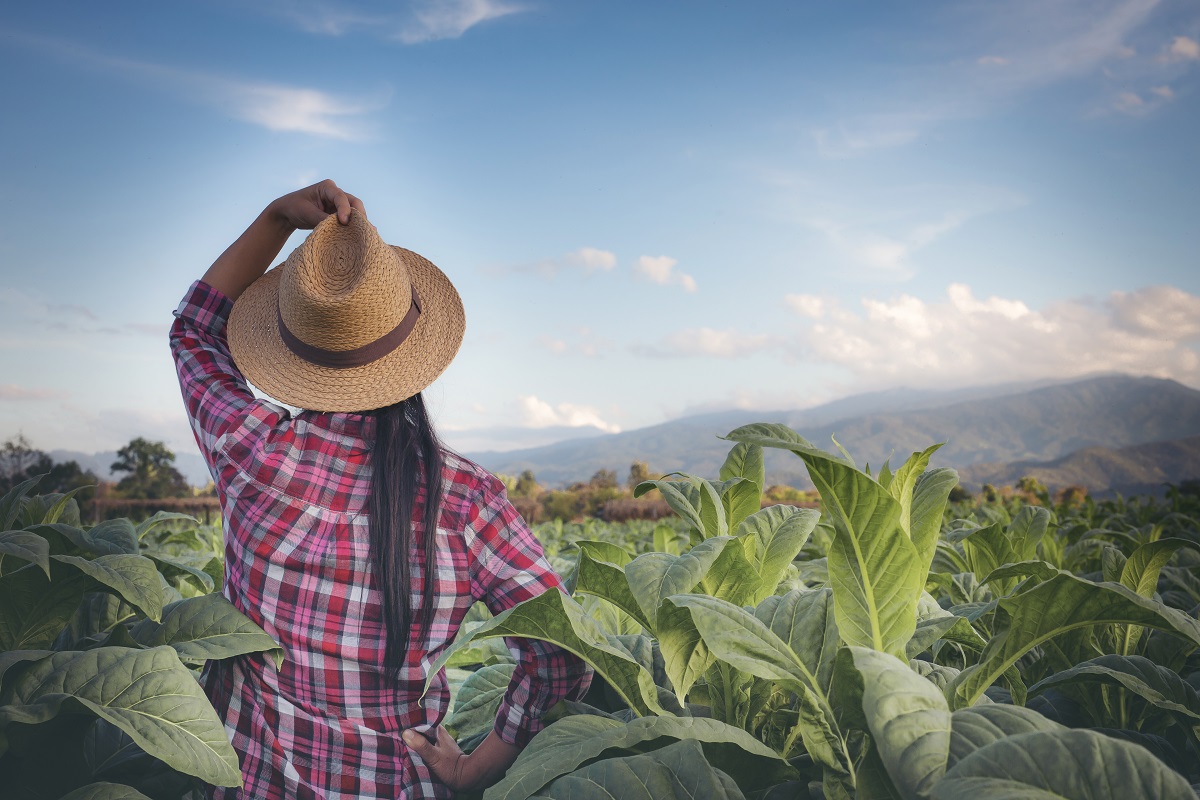
Tobacco cultivation remains one of America’s most historically significant and economically important agricultural practices. From the colonial settlements of Virginia to today’s modern farming operations across Kentucky, North Carolina, and Tennessee, tobacco has shaped agricultural communities for centuries. Whether you’re a seasoned farmer looking to diversify your crops or a newcomer interested in how to cultivate tobacco, understanding the complete process from seed to market is essential for success in this specialized field. The tobacco industry in the United States generates billions of dollars annually, supporting thousands of farming families and rural communities. However, modern tobacco farming requires sophisticated knowledge of soil management, pest control, curing techniques, and market dynamics. This comprehensive guide will walk you through every aspect of tobacco production, ensuring you have the knowledge needed to build a profitable and sustainable tobacco farming operation. The Historical and Cultural Significance of Tobacco in America Tobacco has been cultivated in North America for over 1,000 years, with Native American tribes using the plant for ceremonial and medicinal purposes long before European colonization. The Jamestown colony’s success was largely built on tobacco cultivation, making it one of America’s first major cash crops. Today’s American tobacco farmers continue this legacy while adapting to modern agricultural practices and changing market demands. The major tobacco-producing states—Kentucky, North Carolina, Tennessee, Virginia, South Carolina, and Georgia—have developed specialized expertise in growing different tobacco varieties, from burley to flue-cured tobacco. Understanding this historical context is crucial for modern farmers because it highlights tobacco’s resilience as a crop and its continued importance in American agriculture. Despite health concerns and regulatory changes, tobacco remains a viable agricultural option when grown and marketed responsibly. Soil Requirements and Land Preparation for Tobacco Cultivation Choosing the Right Soil for Tobacco The foundation of successful tobacco cultivation begins with proper soil selection and preparation. Tobacco plants thrive in well-drained soils with a pH between 5.8 and 6.5. Sandy loam soils are particularly well-suited for tobacco because they provide excellent drainage while retaining sufficient nutrients and moisture. Key soil requirements include: Soil Testing and Amendment Before planting, conduct comprehensive soil testing through your local agricultural extension office. Soil tests should analyze pH levels, nutrient content, organic matter, and potential contaminants. Based on these results, you may need to apply lime to adjust pH or add organic matter through compost or well-aged manure. Essential amendments often include: Land Preparation Techniques Proper land preparation typically begins in fall with deep plowing to break up compacted soil layers. Spring preparation involves disking and creating raised beds or ridges where tobacco will be planted. This elevated planting system improves drainage and soil warming, both critical for successful tobacco establishment. How to Cultivate Tobacco: Planting and Growing Techniques Seedbed Preparation and Transplant Production Learning how to cultivate tobacco begins with understanding the transplant system used in commercial production. Tobacco is typically started from seed in controlled environments such as greenhouses or float bed systems. The float bed system, widely adopted in the southeastern United States, uses styrofoam trays floating on a nutrient solution. Seedbed management involves: Transplanting Timing and Techniques Transplanting occurs when soil temperatures consistently reach 60°F and frost danger has passed, typically in late April through May in most tobacco-growing regions. Proper timing is crucial because late transplanting can reduce yields and quality. Transplanting best practices include: Plant Spacing and Field Layout Proper plant spacing maximizes yield while allowing adequate air circulation to prevent disease. The standard spacing provides approximately 6,000-7,000 plants per acre, though this may vary based on variety and growing conditions. Field layout considerations: Crop Management and Pest Control Irrigation Management Tobacco requires consistent moisture throughout the growing season, with peak water needs during rapid growth phases. Most commercial operations use overhead sprinkler systems or drip irrigation to maintain optimal soil moisture levels. Irrigation guidelines include: Fertility Management Tobacco nutrition programs must balance plant growth with leaf quality. Excessive nitrogen can reduce curing quality, while insufficient nutrition limits yields. Key nutritional elements: Integrated Pest Management Modern tobacco production relies on integrated pest management (IPM) strategies that combine cultural, biological, and chemical control methods. Common tobacco pests include: IPM strategies involve: Advanced Growing Techniques and Technology Precision Agriculture Applications Modern tobacco farming increasingly incorporates precision agriculture technologies to optimize inputs and maximize efficiency. GPS-guided equipment ensures accurate planting, cultivation, and harvesting operations. Technology applications include: Sustainable Production Practices Sustainability in tobacco production focuses on environmental stewardship while maintaining profitability. These practices help farmers meet sustainability certification requirements often requested by tobacco companies. Sustainable practices include: Crop Rotation Strategies Effective crop rotation helps manage soil health, pest pressure, and economic risk. Tobacco typically performs well in rotation with corn, soybeans, wheat, and hay crops. Rotation benefits include: Tobacco Curing Methods and Quality Control Understanding Tobacco Curing Curing is the controlled drying process that transforms green tobacco leaves into the golden, brown, or dark leaf desired by manufacturers. The curing method significantly impacts the final product’s flavor, aroma, and burning characteristics. Flue-Cured Tobacco Processing Flue-curing, used primarily for cigarette tobacco, involves controlled heat and humidity in specialized barns. This process typically takes 5-7 days and requires careful temperature and ventilation management. Flue-curing process: Air-Cured Tobacco Methods Air-curing, used for burley and other tobacco types, relies on natural air circulation in well-ventilated barns. This process takes 6-8 weeks and depends on favorable weather conditions. Air-curing requirements: Quality Control and Grading Tobacco quality depends on factors including leaf color uniformity, texture, and chemical composition. Professional graders evaluate cured tobacco based on established USDA standards. Quality factors include: Marketing and Commercial Strategies Understanding Tobacco Markets The tobacco market operates through various channels, including auction warehouses, contract sales, and direct marketing arrangements. Understanding these markets is essential for maximizing returns on your tobacco crop. Primary marketing channels: Contract Production Advantages Most American tobacco farmers participate in contract production programs offered by major tobacco companies. These contracts provide price stability and production support services. Contract benefits include: Market Timing and Price Optimization Successful tobacco marketing requires understanding seasonal price patterns

How to Cultivate Quinoa: Complete Growing Guide

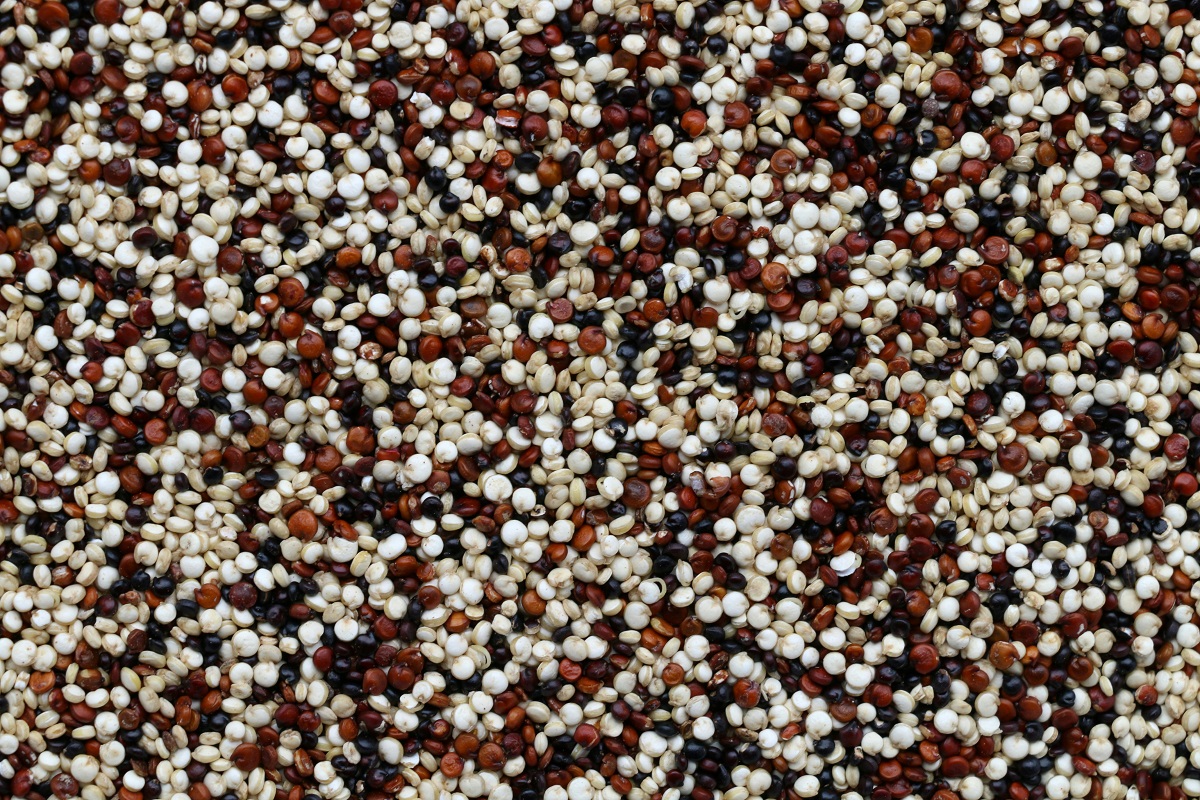
Quinoa cultivation represents one of the most promising opportunities in modern American agriculture, offering farmers a chance to tap into the rapidly growing superfood market while contributing to sustainable food production. This ancient Andean grain, once exclusive to South American highlands, has proven remarkably adaptable to North American growing conditions, creating new revenue streams for innovative farmers across the continent. Understanding how to cultivate quinoa successfully can position agricultural operations at the forefront of the health food revolution. The Growing Importance of Quinoa in American Agriculture Quinoa (Chenopodium quinoa) has transformed from an obscure South American grain to a mainstream superfood commanding premium prices in American markets. This remarkable plant offers unique advantages that make it increasingly valuable for diversified farming operations seeking sustainable, high-value crops. Nutritional Profile Driving Market Demand Quinoa’s exceptional nutritional density has captured consumer attention and created robust market demand: Economic Opportunities in American Markets The American quinoa market has experienced explosive growth, creating significant opportunities: Sustainability Advantages Quinoa cultivation aligns perfectly with sustainable agriculture principles: Ideal Growing Conditions for Quinoa Cultivation in America Understanding quinoa’s specific environmental requirements is crucial for successful cultivation. While adaptable, this crop performs best under specific conditions that can be found across various American growing regions. Climate Requirements and Regional Adaptation Temperature Parameters Regional Suitability in the United States Soil Requirements and Preparation Optimal Soil Characteristics Soil Preparation Steps Altitude and Microclimate Considerations Elevation Advantages Step-by-Step Guide: How to Cultivate Quinoa Successfully Successful quinoa cultivation requires careful attention to variety selection, planting techniques, and ongoing management throughout the growing season. Variety Selection for American Conditions Popular Varieties for US Production Seed Sources and Quality Considerations Pre-Planting Preparation and Timing Optimal Planting Windows Seedbed Preparation Seeding Methods and Plant Population Direct Seeding Techniques Equipment Considerations Comprehensive Crop Management for Quinoa Production Effective quinoa cultivation requires ongoing attention to plant nutrition, weed control, and pest management throughout the growing season. Fertilization and Nutrient Management Pre-Plant Fertilization In-Season Nutrient Applications Weed Management Strategies Pre-Emergence Control Post-Emergence Weed Control Water Management and Irrigation Irrigation Requirements Moisture Management Strategies Pest and Disease Management Common Pests in American Production Disease Considerations Integrated Management Approach Harvest Management and Post-Harvest Handling Proper harvest timing and handling techniques are critical for maximizing quinoa quality and market value. The unique characteristics of quinoa require specific approaches to harvest and post-harvest management. Determining Optimal Harvest Timing Maturity Indicators Harvest Window Management Harvest Methods and Equipment Combine Harvesting Techniques Small-Scale Harvesting Post-Harvest Processing and Storage Initial Cleaning and Processing Storage Considerations Value-Added Processing Options Market Analysis and Economic Considerations Understanding quinoa market dynamics and production economics helps farmers make informed decisions about scale, variety selection, and marketing strategies. Current Market Trends and Pricing Wholesale Market Pricing Direct Marketing Opportunities Production Economics and Profitability Analysis Cost Structure Breakdown Revenue Potential Marketing Strategies for Success Building Market Relationships Quality Standards and Specifications Sustainable Production Systems and Crop Integration Integrating quinoa into sustainable farming systems provides multiple benefits while supporting long-term agricultural viability and environmental stewardship. Crop Rotation and System Integration Rotation Benefits Optimal Rotation Sequences Organic Production Considerations Certification Requirements Organic Management Practices Environmental Benefits and Sustainability Water Conservation Soil Health Improvement Technology and Innovation in Quinoa Production Modern technology offers significant opportunities to improve quinoa production efficiency, reduce costs, and enhance quality through precision agriculture techniques. Precision Agriculture Applications GPS and Variable Rate Technology Remote Sensing and Monitoring Equipment Innovation and Adaptation Specialized Quinoa Equipment Automation and Efficiency Regional Adaptation Strategies for American Production Successful quinoa cultivation across different American regions requires understanding local challenges and adapting production practices accordingly. Mountain West Production Systems Advantages for Quinoa Cultivation Regional Management Considerations Great Plains Adaptation Production Opportunities Challenges and Solutions Pacific Northwest Opportunities Regional Advantages Production Considerations Future Prospects and Industry Development The American quinoa industry stands at an exciting juncture, with significant opportunities for expansion and development in the coming years. Market Growth Projections Demand Trends Industry Development Research and Development Priorities Breeding Program Goals Production Research Conclusion: Cultivating Success with Quinoa Production Learning how to cultivate quinoa successfully represents more than just adding another crop to your rotation—it opens doors to premium markets, sustainable production practices, and diversified income streams. This ancient superfood offers modern American farmers an exceptional opportunity to meet growing consumer demand while building resilient, profitable agricultural operations. The key to successful quinoa cultivation lies in understanding the crop’s unique requirements and adapting proven practices to your specific growing conditions. From selecting appropriate varieties and managing soil fertility to timing harvest operations and accessing premium markets, each aspect of production contributes to overall success. Quinoa’s exceptional nutritional profile, combined with its drought tolerance and premium market pricing, makes it an attractive option for farmers seeking profitable alternatives to traditional crops. Whether grown on a few acres for local markets or scaled up for commercial production, quinoa offers excellent profit potential for well-managed operations. The future of American quinoa production looks exceptionally bright as research continues to develop improved varieties and production techniques specifically adapted to North American growing conditions. Early adopters who invest in learning proper cultivation methods and building market relationships will be well-positioned to capitalize on this expanding opportunity. Success with quinoa cultivation requires patience, attention to detail, and willingness to adapt practices based on local conditions and market feedback. By following proven production practices while staying current with research developments, American farmers can build profitable, sustainable quinoa enterprises that contribute to both agricultural diversification and consumer health.

How to Cultivate Sesame: Complete Growing Guide for American Farmers

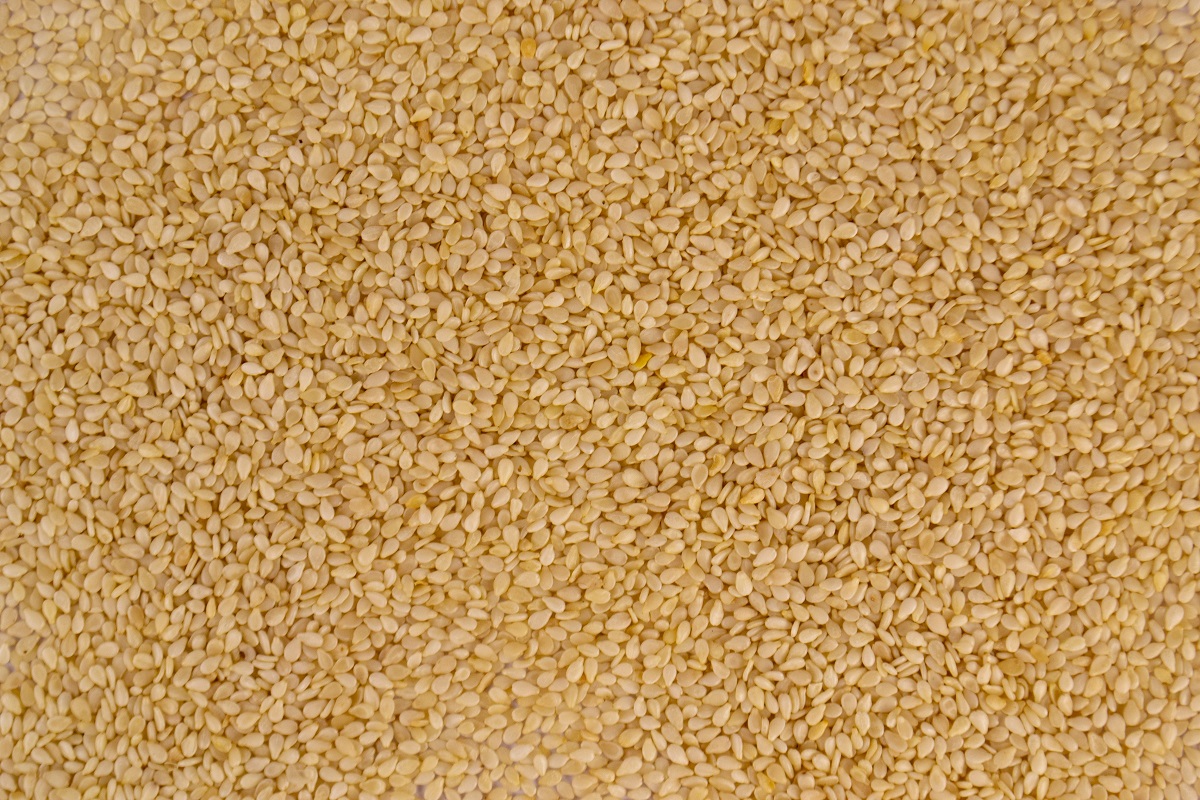
Sesame cultivation represents one of agriculture’s most promising opportunities for American farmers seeking to diversify their crop portfolio and tap into the growing health food market. As consumer demand for nutritious, ancient grains continues to surge, sesame (Sesamum indicum) offers exceptional profit potential with relatively low input costs and strong market demand. This comprehensive guide provides everything you need to know about how to cultivate sesame successfully in American growing conditions. Understanding Sesame: A High-Value Specialty Crop Sesame stands as one of humanity’s oldest cultivated crops, with a rich history spanning over 5,000 years. This drought-tolerant annual plant produces small, oil-rich seeds that command premium prices in today’s health-conscious marketplace. For American farmers, sesame represents an excellent opportunity to enter specialty crop markets while building soil health through crop diversification. Market Demand and Economic Opportunity The American sesame market has experienced remarkable growth in recent years: Nutritional Profile Driving Demand Sesame seeds offer exceptional nutritional value that resonates with health-conscious consumers: Optimal Growing Conditions for Sesame Cultivation Understanding sesame’s specific environmental requirements ensures successful cultivation and maximum yields. This ancient crop thrives in warm climates and requires careful attention to growing conditions. Climate Requirements for American Production Temperature Parameters Regional Suitability in the United States Soil Requirements and Preparation Soil Characteristics Soil Preparation Steps Water Management for Sesame Production Irrigation Requirements Step-by-Step Guide: How to Cultivate Sesame Successfully Successful sesame cultivation requires careful attention to timing, technique, and ongoing management throughout the growing season. Seed Selection and Pre-Planting Preparation Choosing Quality Sesame Varieties Popular Varieties for American Production Planting Techniques and Timing Optimal Planting Windows Seeding Methods and Rates Germination and Early Growth Management Germination Requirements Comprehensive Crop Management for Sesame Production Effective sesame cultivation requires ongoing attention to plant nutrition, pest management, and cultural practices throughout the growing season. Fertilization and Nutrient Management Pre-Plant Fertilization In-Season Nutrient Applications Weed Control Strategies Pre-Emergence Management Post-Emergence Weed Control Pest and Disease Management Common Sesame Pests Disease Prevention and Control Harvest Timing and Techniques for Maximum Quality Proper harvest timing and technique are crucial for maximizing sesame yield and quality. The unique characteristics of sesame plants require special attention during harvest operations. Determining Optimal Harvest Timing Maturity Indicators Sequential Harvesting Strategy Harvest Methods and Equipment Hand Harvesting Techniques Mechanical Harvesting Options Post-Harvest Handling and Processing Immediate Post-Harvest Care Storage and Market Preparation Market Opportunities and Economic Considerations Understanding sesame market dynamics helps farmers make informed decisions about production scale, variety selection, and marketing strategies. Current Market Trends and Pricing Wholesale Market Pricing Direct Marketing Opportunities Production Economics and Profitability Cost Structure Analysis Revenue Potential Marketing Strategies for Success Building Market Relationships Sustainable Production Practices and Crop Rotation Integrating sesame into sustainable farming systems provides multiple benefits including improved soil health, pest management, and long-term profitability. Crop Rotation Benefits Soil Health Improvements Pest and Disease Management Water Conservation Techniques Drought Tolerance Advantages Irrigation Efficiency Organic Production Considerations Certification Requirements Organic Management Practices Regional Adaptation and Climate Considerations Successful sesame cultivation across different American regions requires understanding local climate challenges and adapting management practices accordingly. Southern Plains Production Advantages for Sesame Cultivation Management Considerations Western Region Opportunities Irrigation-Based Systems Challenges and Solutions Southeastern Adaptation Climate Considerations Production Adjustments Technology Integration and Precision Agriculture Modern technology offers significant opportunities to improve sesame production efficiency, reduce costs, and maximize yields through precision management techniques. GPS and Precision Planting Variable Rate Applications Monitoring and Scouting Data Management and Analysis Production Records Decision Support Tools Conclusion: Cultivating Success with Sesame Production Learning how to cultivate sesame successfully opens doors to profitable specialty crop production that meets growing consumer demand for nutritious, sustainably-produced food. This ancient crop offers modern American farmers an excellent opportunity to diversify operations while building soil health and accessing premium markets. The key to successful sesame cultivation lies in understanding the crop’s specific requirements and adapting management practices to local growing conditions. From proper soil preparation and optimal planting timing to efficient harvest techniques and effective marketing strategies, each aspect of production contributes to overall success. Sesame’s exceptional drought tolerance, relatively low input requirements, and strong market demand make it an attractive option for farmers seeking sustainable intensification. Whether grown as part of a diversified crop rotation or as a specialty crop for direct marketing, sesame offers excellent profit potential for well-managed operations. The future of American sesame production looks bright as consumer interest in healthy, sustainable foods continues to grow. Farmers who invest time in learning proper cultivation techniques and developing market relationships will be well-positioned to capitalize on this expanding opportunity. Success with sesame cultivation requires patience, attention to detail, and willingness to adapt practices based on local conditions and market feedback. By following proven production practices and staying current with research developments, American farmers can build profitable, sustainable sesame enterprises that contribute to both farm profitability and consumer health.

Best Products and Methods to Protect Your Fruit Trees from Insect Damage

Fruit trees represent some of the most valuable assets in any orchard or backyard garden, but their success depends entirely on effective pest management. From aphids and scale insects to fruit flies and caterpillars, numerous pests can devastate your harvest and compromise tree health. This comprehensive guide explores the most effective products and strategies to protect your fruit trees, ensuring healthy, productive orchards for years to come. Why Protecting Fruit Trees from Insects Is Critical for Orchard Success Insect pests pose significant threats to fruit tree productivity, affecting not only immediate harvest yields but also long-term tree health and profitability. Understanding the economic and agricultural importance of pest protection helps orchard managers make informed decisions about integrated pest management strategies. The Economic Impact of Uncontrolled Pest Infestations Recent agricultural studies indicate that insect pests cause approximately 20-40% of global fruit crop losses annually, representing billions of dollars in economic damage across American orchards. For commercial fruit growers, this translates to: How Protect Fruit Trees: Understanding Pest Damage Mechanisms Fruit tree pests damage crops through various mechanisms: Direct Feeding Damage Indirect Damage Through Disease Transmission Stress-Related Impacts Pest infestations create physiological stress that manifests as: Common Insect Pests That Attack Fruit Trees in American Orchards Understanding specific pest threats helps orchard managers develop targeted protection strategies for their fruit trees. Different regions and fruit varieties face unique pest pressures requiring customized approaches. Major Piercing-Sucking Pests Aphids (Multiple Species) Scale Insects (San Jose Scale, Soft Brown Scale) Fruit-Specific Pests Codling Moth (Cydia pomonella) Oriental Fruit Moth (Grapholita molesta) Cherry Fruit Fly (Rhagoletis cingulata) Defoliating Pests Gypsy Moth (Lymantria dispar) Types of Products for Effective Fruit Tree Insect Control Modern fruit tree protection relies on diverse product categories, each offering specific advantages for different pest scenarios and management philosophies. Chemical Insecticides: Conventional Protection Options Systemic Insecticides Contact Insecticides Organic and Biological Control Products Microbial Insecticides Botanical Insecticides How Protect Fruit Trees with Integrated Pest Management (IPM) Biological Control Agents Cultural Control Methods Application Methods for Maximum Effectiveness Proper application techniques determine the success of any fruit tree protection program. Different products and pest scenarios require specific application approaches for optimal results. Spray Application Techniques Airblast Sprayers for Commercial Operations Backpack and Tank Sprayers for Small Orchards Alternative Application Methods Trunk Injection Systems Soil Drench Applications Monitoring and Threshold-Based Applications Pheromone Trap Networks Visual Monitoring Protocols Chemical Insecticides: Strategic Use for Fruit Trees When organic methods prove insufficient or pest pressure exceeds economic thresholds, chemical insecticides provide rapid, effective control for fruit tree protection. Systemic Insecticide Products and Applications Imidacloprid-Based Products Thiamethoxam Formulations Contact Insecticide Options Pyrethroid Insecticides Organophosphate Insecticides Application Timing and Safety Protocols Critical Timing Windows Safety and Environmental Stewardship Natural and Sustainable Alternatives for Fruit Tree Protection Sustainable fruit tree management increasingly relies on natural control methods that protect beneficial insects while effectively managing pest populations. Botanical Insecticides and Natural Products Neem Oil Products for Fruit Trees Essential Oil-Based Formulations Traditional Organic Solutions Bordeaux Mixture for Multiple Pest Issues Insecticidal Soap Formulations Homemade Natural Pest Control Solutions Garlic and Hot Pepper Spray Beneficial Habitat Enhancement Biological Control Implementation Commercial Beneficial Insect Releases Comprehensive Prevention Strategies for Long-Term Fruit Tree Health Preventing pest problems before they develop provides the most cost-effective and environmentally sound approach to fruit tree protection. Cultural Control Practices Pruning for Pest Management Orchard Sanitation Programs Soil and Plant Health Management Proper Fertilization for Pest Resistance Water Management Strategies Early Detection and Monitoring Systems Pest Monitoring Protocols Technology Integration Regional Considerations for American Fruit Growers Different regions across the United States face unique pest pressures and environmental conditions that influence fruit tree protection strategies. Climate Zone Adaptations Northern States (USDA Zones 3-5) Central States (USDA Zones 6-7) Southern States (USDA Zones 8-10) State-Specific Regulations and Resources Pesticide Regulations Extension Resources Economic Analysis: Cost-Effective Fruit Tree Protection Understanding the economics of pest management helps growers make informed decisions about protection strategies and product selection. Cost-Benefit Analysis of Protection Methods Organic vs. Conventional Programs Prevention vs. Treatment Economics Return on Investment Calculations Commercial Orchard Analysis Seasonal Management Calendar for Optimal Fruit Tree Protection Successful fruit tree pest management requires precise timing of interventions throughout the growing season. Spring Management (March-May) Early Spring Tasks Pre-Bloom Period Bloom Period Restrictions Summer Management (June-August) Early Summer Focus Mid-Summer Priorities Late Summer Considerations Fall and Winter Management (September-February) Post-Harvest Activities Winter Planning Conclusion: Building a Sustainable Fruit Tree Protection Program Effective fruit tree protection requires a comprehensive approach that combines multiple strategies tailored to specific growing conditions and pest pressures. Success depends on understanding pest biology, implementing timely interventions, and maintaining long-term orchard health through sustainable practices. The key to protecting fruit trees lies in developing an integrated management system that emphasizes prevention, utilizes diverse control methods, and maintains flexibility to address changing pest pressures. Whether you choose organic methods, conventional products, or a combination of both, consistent monitoring and timely action remain the foundation of successful pest management. Modern fruit growers who invest in comprehensive protection programs typically see returns through higher yields, improved fruit quality, and reduced long-term production costs. The initial investment in pest management pays dividends through consistent harvests, premium market access, and healthy, productive orchards that remain valuable assets for decades. Remember that learning how to protect fruit trees is an ongoing process that benefits from staying current with research developments, participating in educational programs, and networking with other successful growers. The investment in knowledge and proper pest management practices ensures your fruit trees will provide abundant, high-quality harvests for years to come.

How to Grow Watermelons: The Complete Guide for Successful Commercial and Home Production

Learn how to grow watermelons successfully with our complete guide covering substrate preparation, planting techniques, pest management, and harvest timing for maximum yields. Growing watermelons can be one of the most rewarding ventures in agriculture, whether you’re managing a commercial operation or cultivating for local markets. This comprehensive guide will walk you through every aspect of watermelon production, from selecting the right substrate to harvesting premium fruit that commands top dollar. Why Grow Watermelons? The Business Case for Cucurbit Cultivation Watermelon production offers substantial benefits for American agricultural operations: Essential Growing Conditions for Watermelon Success Climate Requirements Watermelons thrive in specific environmental conditions that mirror their African origins: Soil and Substrate Requirements The foundation of successful watermelon cultivation lies in proper substrate preparation: Soil Texture and Drainage pH and Chemical Properties How to Make Substrate: Preparing Your Growing Medium Commercial Substrate Preparation For large-scale operations, substrate preparation involves several critical steps: Soil Testing and Amendment Creating Raised Beds Substrate Mixture for Container Growing For greenhouse or small-scale production, create a custom substrate blend: Watermelon Variety Selection for American Markets Red-Flesh Commercial Varieties Crimson Sweet Sugar Baby Sangria Specialty and Yellow-Flesh Varieties Yellow Crimson Step-by-Step Planting Guide Pre-Planting Substrate Preparation Timeline: 2-4 weeks before planting Seeding and Transplant Production Direct Seeding Method Transplant Method (Recommended for northern regions) Optimal Planting Windows by Region Southern States (Zones 9-11): March-May, July-August Central States (Zones 6-8): May-June Northern States (Zones 3-5): Late May-Early June Crop Management and Cultural Practices Fertigation and Nutrient Management Pre-plant Fertilization In-season Fertigation Irrigation Management Critical Growth Stages Water Requirements Pollination Management Watermelons require cross-pollination for fruit set. Effective strategies include: Natural Pollination Hand Pollination (For greenhouse or small operations) Integrated Pest Management (IPM) for Watermelons Common Pests and Management Strategies Cucumber Beetles Squash Vine Borer Aphids Disease Management Fusarium Wilt Powdery Mildew Bacterial Fruit Blotch Harvesting and Post-Harvest Handling Determining Optimal Harvest Timing Field Indicators Quality Standards Harvest and Storage Practices Harvesting Technique Storage Conditions Equipment and Technology for Modern Watermelon Production Essential Field Equipment Substrate Preparation Planting Equipment Irrigation Technology Drip Irrigation Systems Fertigation Equipment Maximizing Profitability: Advanced Growing Tips Yield Optimization Strategies Plant Population Management Market Timing and Planning Succession Planting Value-Added Opportunities Direct Marketing Processing Markets Troubleshooting Common Growing Problems Substrate-Related Issues Poor Germination Stunted Growth Fruit Quality Problems Hollow Heart Poor Sugar Content Sunscald Sustainable and Regenerative Practices Soil Health Improvement Cover Crop Integration Organic Matter Enhancement Water Conservation Efficient Irrigation Design Integrated Ecosystem Management Beneficial Habitat Conclusion: Growing Success with Proper Substrate and Management Successfully growing watermelons requires attention to every detail, from preparing the ideal substrate to timing your harvest perfectly. By focusing on proper substrate preparation, selecting appropriate varieties, and implementing integrated management practices, you can achieve both high yields and premium quality fruit. The key to watermelon success lies in understanding that substrate quality forms the foundation of your entire operation. Whether you’re making substrate for container production or preparing field soils, investing time and resources in this critical step will pay dividends throughout the growing season. Ready to start your watermelon growing journey? Begin with a comprehensive soil test, select varieties suited to your climate and market, and implement the proven practices outlined in this guide. With dedication and proper technique, you’ll be harvesting sweet, profitable watermelons that satisfy both your customers and your bottom line.

How to Calculate Agricultural Production Costs: A Practical Guide for Farmers

Why Should Farmers Calculate Production Costs? Have you ever wondered if your crop is really profitable? Many farmers focus only on sales, but without knowing the agricultural production cost, it’s hard to measure real profit. Calculating costs allows you to: 👉 In other words, knowing the cost of agricultural production is like having a map that guides your farm toward profitability. What Is Agricultural Production Cost? The production cost is the sum of all expenses required to produce and harvest a crop. It includes: By combining both, you’ll have the total production cost per hectare (or acre). Step-by-Step: How to Calculate Agricultural Production Cost Here’s a simple guide to help you organize your calculations: 1. Identify Fixed Costs These are costs that remain the same regardless of harvest size. Examples: 📌 Tip: Spread the value of machinery over its useful life. For example, if a tractor costs $50,000 and lasts 10 years, the annual depreciation is $5,000. 2. Calculate Variable Costs These costs vary depending on the crop and season. Examples: 📌 Example: If you spend $1,000 on seeds, $2,500 on fertilizers, and $500 on pesticides, your variable costs are $4,000. 3. Add Harvest and Post-Harvest Costs Don’t forget: production doesn’t end in the field. Expenses include: 4. Organize All Expenses Create a spreadsheet (Excel or Google Sheets works great) to keep track. Example for 1 hectare of corn: Expense Category Cost (USD) Land rent $1,000 Machinery depreciation $500 Seeds $600 Fertilizers $1,800 Pesticides $400 Labor $1,200 Harvest/Transport $900 Total Cost $6,400 👉 If you produce 10 tons of corn, the cost per ton is:$6,400 ÷ 10 = $640/ton. 5. Compare Cost vs. Revenue Now, compare with the selling price. If the market pays $750/ton, your profit is: $750 – $640 = $110 per ton. That means a total profit of $1,100 for 10 tons. Extra Tips to Reduce Agricultural Costs Why Is This Calculation So Important? Many farmers lose money because they don’t track their costs. By knowing exactly how much it costs to produce each unit (ton, bag, box), you can: Conclusion Calculating agricultural production costs may seem complicated, but with organization and simple spreadsheets, you’ll have control of your farm’s finances. 👉 Start small: record all expenses in your next crop cycle. Soon, you’ll clearly see what’s profitable and what needs adjustment. See also: [Best Agricultural Defensives: What They Are and How to Use Them] (internal link suggestion). 💬 And you? Do you already calculate the costs of your crops? Share your experience in the comments!

Agricultural Pesticides: What They Are and How to Use Them Safely

Have you ever wondered how farmers manage to keep their crops healthy despite pests, diseases, and weeds?The secret often lies in the correct use of agricultural pesticides. When applied responsibly, they protect crops, boost productivity, and prevent major losses. But what exactly are agricultural pesticides, and how should they be used properly? That’s what you’ll discover in this complete step-by-step guide. 🌱 What Are Agricultural Pesticides? Agricultural pesticides (also known as crop protection products or agrochemicals) are substances used to protect plants against insects, fungi, bacteria, weeds, and other harmful agents. 👉 They don’t just kill pests – they also prevent crop losses and ensure better food quality.👉 When used correctly, they increase productivity and help farmers maintain healthier and more profitable crops. ⚠️ Important: Misuse of pesticides can harm the environment, human health, and even a farmer’s finances. That’s why it’s crucial to understand when and how to apply them. 🧩 Types of Agricultural Pesticides Each type of pesticide has a specific function, helping farmers protect plants from different threats. Here are the main categories: 🐛 Insecticides 🍄 Fungicides 🌿 Herbicides 🕷 Acaricides 🦠 Bactericides 📊 Summary Table Pesticide type Main function Examples controlled Practical use Insecticides Control insects Caterpillars, locusts, aphids Soybean protection from pests Fungicides Control fungi Rust, powdery mildew, mold Grapes against powdery mildew Herbicides Eliminate weeds Nutgrass, crabgrass, pigweed Corn against weeds Acaricides Control mites Two-spotted mite, citrus leprosis mite Oranges against leprosis Bactericides Control bacteria Citrus canker, bacterial wilt Tomatoes against wilt 🚜 Step-by-Step Guide: How to Use Agricultural Pesticides Now that you know what they are, here’s a practical guide to applying them correctly: When to Apply Agricultural Pesticides? The right timing is critical for effectiveness: Extra Tips for Safe Pesticide Use 📋 Table: Advantages and Precautions of Agricultural Pesticides Advantage Precaution needed Protect crops from pests and diseases Always apply the correct dosage Increase productivity Respect pre-harvest intervals Ensure better food quality Wear PPE during application Prevent major crop losses Store safely away from children and animals ✅ Conclusion Agricultural pesticides are valuable allies for farmers, but they must be used responsibly.Understanding what they are, when to apply, and how to use them properly makes all the difference for a healthy, productive, and sustainable farm. 👉 Now tell me: do you already use agricultural pesticides in your crops, or are you just starting to learn about them? Share your experience in the comments!

How to Plant and Grow Olive Trees

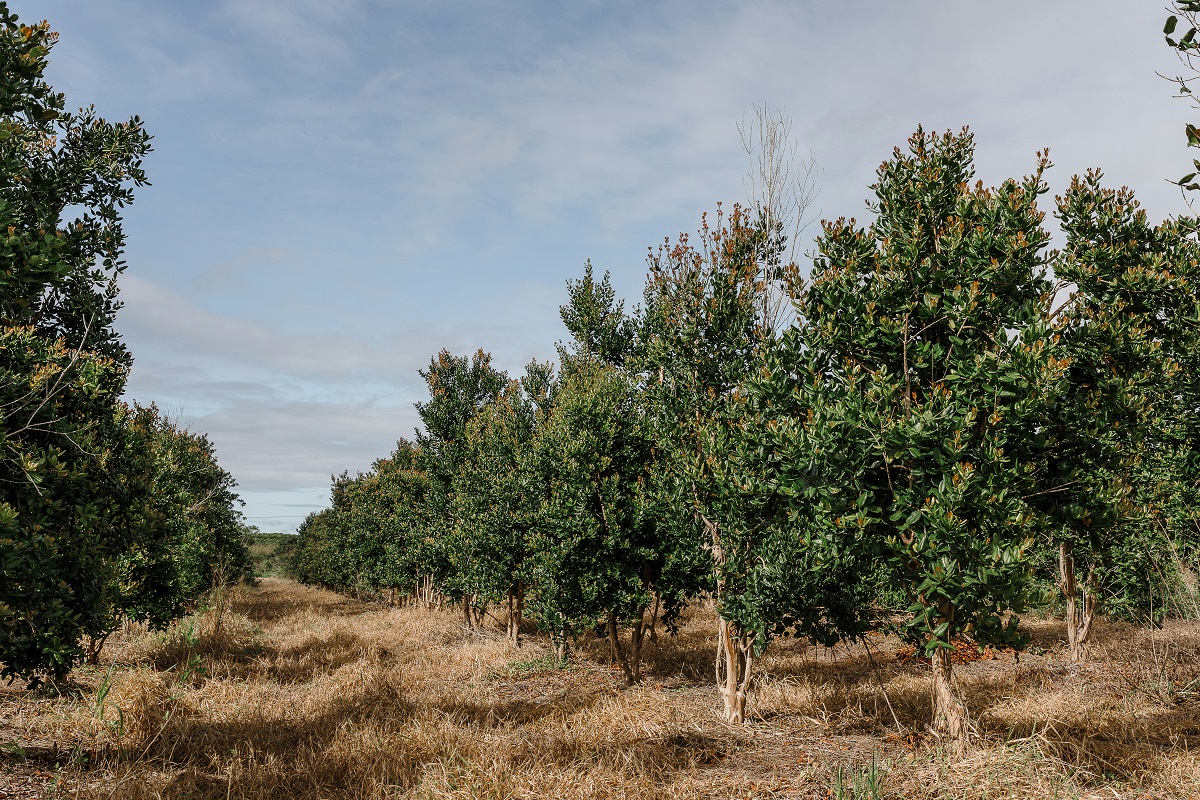
Why Grow Olive Trees? Have you ever dreamed of picking fresh olives from your own tree and making delicious olive oil at home?Olive trees (Olea europaea) are not only beautiful, but they can also produce fruit for decades—sometimes even centuries! They are hardy, drought-tolerant, and perfect for regions with a Mediterranean-like climate. Whether you want to start a small orchard or grow just one tree in your backyard, learning how to plant and grow olive trees step-by-step is the first step toward success. Understanding the Olive Tree and Its Importance Olive trees are native to the Mediterranean but can adapt to different climates, as long as winters are mild and summers are hot and dry. They are valued for: They can live for hundreds of years, so planting one is almost like leaving a legacy for future generations. Step-by-Step: How to Plant and Grow Olive Trees 1. Choose the Right Variety There are many olive varieties, each suited for different purposes. Some are best for oil production, while others are ideal for table olives. Popular options include: 💡 Tip: Check with a local nursery or agricultural extension service to choose the best variety for your climate. 2. Select the Ideal Location Olive trees love full sun—at least 6–8 hours per day. Choose a spot with: 3. Prepare the Soil Olives are not picky, but they prefer slightly alkaline soil (pH 7–8). If your soil is acidic, add lime before planting.Make sure the area is free of weeds, and loosen the soil to encourage root growth. 4. Planting the Olive Tree 5. Watering Schedule Olive trees are drought-tolerant once established, but young trees need regular watering: 🚫 Avoid overwatering—it can cause root rot. 6. Fertilizing Fertilize once or twice a year in spring and summer with a balanced fertilizer (10-10-10). Avoid excessive nitrogen, which promotes leaf growth instead of fruit production. 7. Pruning Prune in late winter or early spring: 8. Pest and Disease Control Olives are generally resistant, but keep an eye out for: Use organic or chemical control methods as recommended in your area. 9. Harvesting Depending on the variety, olives are ready between late summer and early winter. After harvesting, olives must be cured before eating. Extra Tips for Success Example Planting Schedule Task Best Time Planting Spring or Fall Fertilizing Spring & Summer Pruning Late Winter Harvesting Aug – Dec Conclusion Growing olive trees is both rewarding and relatively easy once you understand their needs. With the right variety, good soil preparation, and proper care, you’ll be able to enjoy fresh olives or even make your own olive oil at home. 👉 See also: How to Grow Lemons at Home – Step-by-Step Guide What about you? Have you ever tried planting an olive tree? Share your experience in the comments below!

How to Plant Peanuts Step-by-Step for a Great Harvest

Have you ever thought about planting peanuts in your own yard or on your farm?Besides being delicious and nutritious, peanuts are a profitable crop and can be grown in small or large areas. In this guide, you’ll learn exactly how to plant peanuts step-by-step, what they need to grow healthy, and extra tips to boost your harvest. What Is Peanut Planting and Why Is It Important? Planting peanuts is more than just putting seeds in the ground.It’s about creating the right environment for the plant to grow healthy pods underground. Peanuts are a legume, not a nut, and are rich in protein, healthy fats, and minerals. Growing peanuts can: How to Plant Peanuts – Step-by-Step 1. Choose the Right Peanut Variety There are several types of peanuts, such as Runner, Virginia, Spanish, and Valencia.Your choice will depend on: 💡 Tip: Ask a local agronomist or seed supplier which variety grows best in your region. 2. Prepare the Soil Peanuts like light, well-drained, sandy-loam soils with a pH between 5.5 and 6.5. 💡 You can improve the soil with organic compost before planting. 3. Choose Quality Seeds Use untreated raw peanuts (not roasted) or certified seeds from an agricultural store. 4. Planting the Seeds 💡 Water lightly after planting. 5. Watering and Maintenance 6. Flowering and Pegging After about 30–40 days, yellow flowers will appear. 7. Harvesting Peanuts are ready in 90 to 150 days, depending on the variety. Extra Tips and Fun Facts About Peanut Cultivation Recommended Planting Calendar for Peanuts Region Best Planting Period Average Harvest Time Tropical All year (prefer rainy season) 100–120 days Subtropical Spring to early summer 120–150 days Temperate After last frost 120–150 days Conclusion Planting peanuts is easy, fun, and can be very rewarding.With the right variety, soil preparation, and care, you can enjoy a healthy crop—whether for home consumption or as an extra income source. 📌 See also: How to Plant Corn Step-by-Step 💬 Have you ever tried planting peanuts? Share your experience in the comments!

Seed Inoculation: What It Is, How It Works, and How to Use It in Your Planting

Why Seed Inoculation Can Be a Game-Changer for Your Crops Have you ever wondered how to make your plants grow stronger, healthier, and more productive without relying solely on chemical fertilizers? Seed inoculation might be the answer.This simple and cost-effective agricultural technique uses beneficial microorganisms to help plants absorb nutrients more efficiently, especially nitrogen. In this article, you’ll learn what seed inoculation is, how it works, and how to apply it step-by-step so you can boost your yields and soil health naturally. What Is Seed Inoculation and Why It Matters Seed inoculation is the process of coating seeds with specific microorganisms—usually beneficial bacteria—that form a symbiotic relationship with the plant’s roots.In legumes like soybeans, beans, and peas, these microorganisms help fix nitrogen directly from the air, reducing or even eliminating the need for nitrogen fertilizers. Main benefits include: 💡 Fun fact: Seed inoculation has been used in agriculture for over a century, but modern products are more effective and easier to apply than ever before. How Seed Inoculation Works When you inoculate seeds, the bacteria (often Rhizobium species) attach to the seed coat.Once the seed germinates, the bacteria move into the root system, forming nodules where nitrogen fixation takes place. This process converts atmospheric nitrogen (N₂) into a form plants can absorb, like ammonia. In short, inoculation turns your plants into their own nitrogen factories. Types of Seed Inoculation There are several ways to inoculate seeds, and the choice depends on the crop and the product you’re using. Type Description When to Use Peat-based Powder or paste containing live bacteria Common for legumes Liquid inoculants Easy to mix and apply directly to seeds Fast planting operations Granular inoculants Applied in the planting furrow Useful for large-scale planting Multi-strain inoculants Contain more than one beneficial microorganism For diversified soil benefits How to Do Seed Inoculation – Step-by-Step 1. Choose the Right Inoculant Not all inoculants are the same—each crop requires a specific strain of bacteria or fungi that forms a symbiotic relationship with the plant. 2. Prepare the Seeds Before applying the inoculant, make sure the seeds are completely clean. 3. Apply the Inoculant 💡 Pro Tip: Some farmers mix the inoculant with a sticking agent (like sugar solution) to make it adhere better. 4. Dry in the Shade 5. Plant as Soon as Possible 💡 Pro Tip: If conditions don’t allow immediate planting, consider applying the inoculant in-furrow during planting instead of pre-coating the seeds. Extra Tips for Better Results Common Mistakes to Avoid Final Thoughts Seed inoculation is a low-cost, high-impact practice that can significantly improve your crop’s performance while caring for the soil. By following the correct steps and avoiding common mistakes, you can enjoy healthier plants and higher yields—naturally. See also: [Guide to Organic Fertilizers for Beginners] What about you? Have you tried seed inoculation before? Share your experience in the comments below!