

Plant and Harvest

How to Make Your Own Substrate for Healthier, More Productive Crops

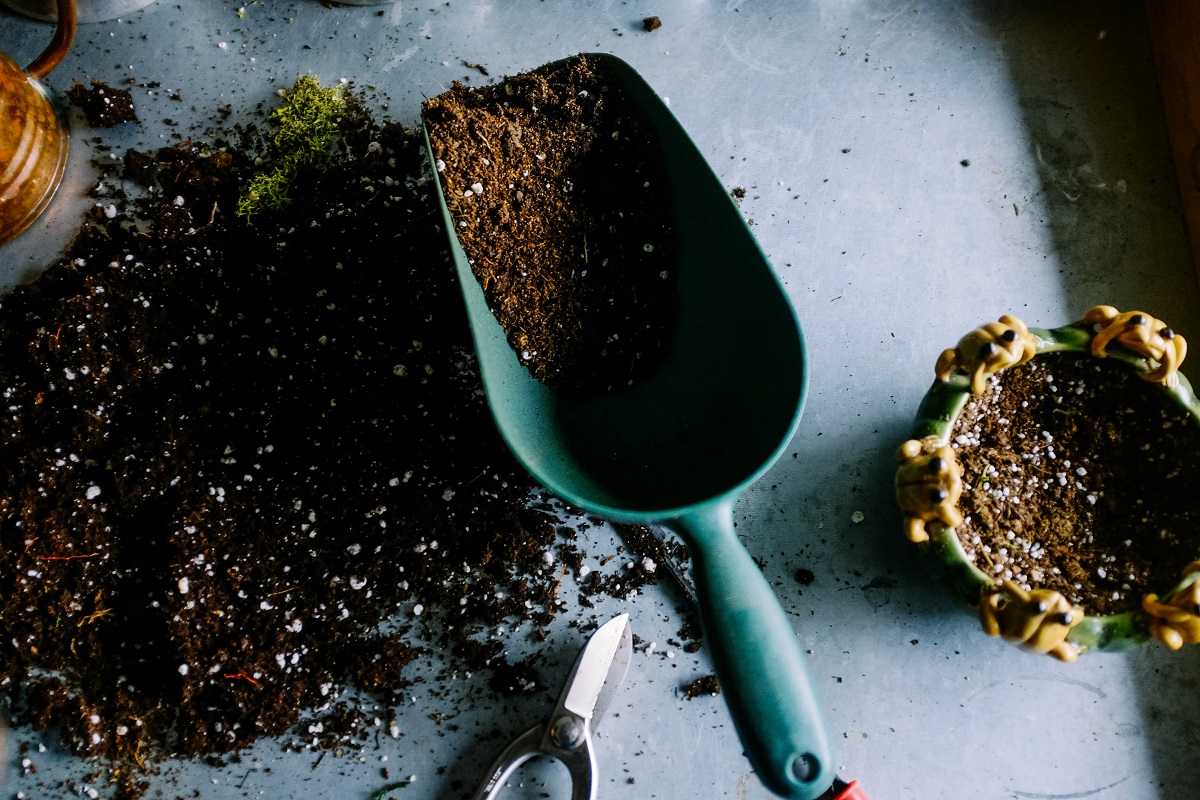
Why Substrate Matters More Than You Think In the world of modern agriculture, few things are more critical than the quality of your growing medium. Whether you’re a backyard grower or a commercial farmer, the substrate—the material that surrounds plant roots—directly influences growth, nutrient uptake, and yield. While store-bought mixes offer convenience, learning how to make substrate yourself puts you in control of costs, ingredients, and environmental impact. In this guide, we break down the essentials of homemade substrate for U.S. growers, combining agronomic best practices with sustainability and cost-efficiency. What Is Substrate? In agriculture and horticulture, substrate refers to any material—natural or synthetic—used to support plant roots. Unlike soil, which includes a mix of mineral particles and organic matter, substrates are often customized blends aimed at optimizing moisture retention, aeration, and nutrient delivery. Why It Matters: Key Components for DIY Substrate Here are common materials used by U.S. growers to create nutrient-rich, balanced substrates: 1. Topsoil or Garden Soil (Base Component) 2. Sand 3. Perlite or Vermiculite 4. Pine Bark or Coconut Coir 5. Compost or Worm Castings (Vermicompost) Step-by-Step Guide: How to Make Substrate at Home Step 1: Gather Your Materials Choose based on crop needs, climate, and container type. Step 2: Prepare the Ingredients Step 3: Mix in Correct Proportions A general mix for vegetables: Step 4: Add Moisture & Test Consistency Step 5: Adjust Based on Plant Type Storage Tips to Keep Your Substrate Fresh 1. Keep Moisture Controlled Store substrate in sealed containers to retain humidity. Avoid letting it dry out completely. 2. Ventilate to Prevent Mold Use breathable bins or fabric pots if storing large volumes. Keep in a shaded, cool area. 3. Label Your Mixes Clearly mark containers with mix ratios and intended use. This avoids cross-contamination and saves time. 4. Keep It Clean Don’t store near fertilizers, chemicals, or food to avoid attracting pests. Benefits of Making Your Own Substrate Sustainability Homemade mixes reduce plastic packaging waste and cut carbon footprints from transportation. Customization Tailor the mix to suit specific crops or regional conditions (e.g., hot, dry summers in Arizona vs. rainy Pacific Northwest). Cost-Effectiveness Over time, sourcing local materials and reusing compost saves significantly over store-bought options. Best Crops for DIY Substrate Crop Type Recommended Additions Tomatoes Compost, coconut coir Lettuce & Greens Vermiculite, worm castings Peppers Perlite, sand Herbs (basil, etc.) Coarse sand, pine bark Strawberries Rich compost, coconut coir Grow Smarter, Not Harder Learning how to make substrate gives you control, saves money, and enhances plant health across the board. Whether you’re planting herbs on your balcony or managing a multi-acre vegetable operation, building your own mix is a simple, scalable way to boost productivity.

Fertigation: How to Optimize Nutrient Delivery and Boost Crop Yields

What Is Fertigation? Fertigation is a modern agricultural practice that combines irrigation with the application of water-soluble fertilizers. This technique delivers essential nutrients directly to plant roots through the irrigation system, improving nutrient uptake and maximizing resource efficiency. Fertigation allows farmers to tailor nutrient applications according to the specific growth stage of each crop, promoting healthier plants and higher yields. It’s widely used in the U.S., especially in regions where water conservation and production efficiency are critical. How Fertigation Works: Techniques and Systems Fertigation can be implemented using various irrigation methods, each suited to different farm sizes and crop types: Drip Irrigation Fertigation Sprinkler Fertigation Pivot Systems and Subsurface Drip Each system offers advantages and trade-offs. The choice depends on your water availability, soil type, crop requirements, and farm size. A Brief History of Fertigation in Modern Farming Fertigation began gaining traction in the U.S. during the 1960s and 1970s, as researchers demonstrated the efficiency of integrating water and nutrient delivery. With increasing pressure to boost yields while preserving resources, fertigation has become a cornerstone in precision agriculture today. From California vineyards to Florida citrus farms, fertigation is used to: Key Benefits of Fertigation for U.S. Growers 1. Efficient Use of Water and Nutrients By applying fertilizers directly through irrigation, plants receive nutrients precisely when and where they’re needed, enhancing absorption and reducing losses. Studies show fertigation can reduce fertilizer usage by up to 30% compared to conventional broadcast methods. 2. Lower Input Costs Fertigation allows farmers to use fewer resources more effectively: 3. Higher Crop Yields Nutrient availability at the right time results in stronger, faster-growing plants. Growers report yield increases of 20% to 40%, depending on crop type and region. 4. Sustainability and Soil Health How to Implement Fertigation on Your Farm Step 1: Choose the Right Irrigation System Select a fertigation-compatible system based on: Drip systems are ideal for high-value or small-acreage crops, while center pivots suit large-scale row crops. Step 2: Conduct a Soil and Water Analysis Test both your soil nutrients and water quality to avoid: Use lab results to determine which fertilizers and concentrations to apply. Step 3: Develop a Fertigation Schedule Adjust nutrient delivery based on: Most farms apply fertigation once or twice a week, increasing frequency during peak growth phases. Step 4: Select Appropriate Fertilizers Choose water-soluble fertilizers tailored to your crops: Step 5: Monitor, Adjust, Repeat Common Challenges in Fertigation and How to Avoid Them Salinity Build-Up Over time, fertilizers can raise salt levels in the soil, harming plant roots. Water Quality Issues Poor-quality water (e.g., high in sodium or bicarbonates) can reduce fertigation efficiency. System Clogs Undissolved particles or algae growth can clog emitters. Crops That Benefit Most from Fertigation Fertigation can be used with nearly any crop but is especially beneficial for: Each crop may require a tailored nutrient program depending on lifecycle and soil conditions. Suggestions for Visual Content Is Fertigation Right for Your Operation? Fertigation offers a high-tech, sustainable path to better yields and more efficient input use. By delivering nutrients with precision, it enhances plant health, lowers production costs, and supports environmental stewardship. If you’re ready to modernize your fertilization practices, fertigation might be your best investment yet.

Linseed Planting Guide: How to Grow Flaxseed Successfully Year-Round

Looking to add a profitable and sustainable crop to your farm? Linseed, also known as flaxseed, is gaining popularity for its nutritional value and soil-friendly properties. This guide offers a step-by-step approach to growing linseed throughout the year, ensuring high yields and healthy soil for U.S. growers. 1. Create a Seasonal Planting Calendar for Linseed Linseed is typically a cool-season crop, best planted in early spring or late summer, depending on your USDA growing zone. 💡 Tip: Aim for soil temperatures between 37°F and 45°F for successful germination. 2. Rotate Linseed with Other Crops Linseed fits well into crop rotation systems, especially after legumes or cereals. 3. Choose High-Quality Linseed Varieties Select region-specific linseed cultivars that offer good disease resistance and oil quality. Consult your local extension service or seed supplier for the best fit for your region. 4. Prepare Soil for Linseed Success Linseed prefers well-drained, loamy soil with a pH between 6.0 and 7.0. Soil Prep Checklist: 💡 Avoid compacted or waterlogged areas, as linseed has shallow roots and poor tolerance to excess moisture. 5. Use Efficient Irrigation Methods While linseed is relatively drought-tolerant, consistent soil moisture is critical during early growth and flowering. 6. Protect Linseed from Pests and Weather Linseed can be susceptible to pests like cutworms and flea beetles, as well as fungal diseases. Protection Tips: In cooler months, consider low tunnels to extend the growing season. 7. Monitor Growth and Harvest at the Right Time Linseed takes around 90–120 days to mature. Monitor plants for signs of readiness: Harvest linseed when 75% of the seed heads have matured to avoid shattering and yield loss. Use a combine harvester with appropriate settings to handle the small, lightweight seeds. Post-Harvest Tips for Linseed Storage Flax is more than a superfood—it’s also a powerful tool for farmers looking to maximize land use between major crop seasons. With its ability to enrich soil, reduce pest pressure, and generate income through high-nutrient grains, flax can be a smart addition to your rotational plan. In this article, you’ll learn how to grow flax as a cover crop or inter-seasonal cash crop, with a focus on U.S. growing conditions and sustainable practices. Popular U.S. Flax Varieties Variety Color Primary Use Regions CDC Bethune Brown Oilseed, food Midwest, Plains Prairie Blue Brown Fiber, dual-use Northern states Golden Omega Golden High Omega-3 food Pacific Northwest Equipment & Inputs for Flax Production Tips for Success with Interseasonal Flax A Profitable and Sustainable Crop Whether you’re farming in the Midwest, Pacific Northwest, or Southeast U.S., flax can add diversity, resilience, and profit to your cropping system. Its short cycle and soil-friendly nature make it ideal for interseasonal cultivation.

Year-Round Vegetable Gardening: Understanding the Best Time to Plant Each Crop

Growing your own vegetables is rewarding, nutritious, and sustainable. But to enjoy a productive harvest year-round, timing is everything. Understanding the best planting seasons for each vegetable can boost yields, reduce pest pressure, and help you make the most of your soil, water, and climate. In this guide, we’ll explore the seasonal planting cycles for various vegetables across the U.S., including tips to improve soil fertility, reduce disease, and plan your garden efficiently. The Importance of Seasonal Planting for Vegetables Knowing when to plant vegetables helps you: Key Factors That Affect Vegetable Planting Times 1. Climate Local temperature, rainfall, sunlight, and humidity all impact which vegetables grow best and when. 2. Soil Conditions Soil pH, texture, drainage, and fertility affect root development and nutrient availability. 3. Vegetable Variety Some crops thrive in cool weather; others need heat. Choose varieties suited to your USDA Hardiness Zone. 4. Regional Differences From the humid Southeast to the dry Southwest, the U.S. offers a wide range of growing environments. What to Plant by Season: U.S. Vegetable Planting Calendar Spring Vegetable Planting Guide Best for cool-season crops and transplants started indoors. Summer Vegetable Planting Guide Time for heat-loving, long-season crops. Fall Vegetable Planting Guide Ideal for planting second rounds of cool-season crops. Winter Vegetable Planting Guide (Mild Climates or Greenhouses) For southern regions or protected environments. How to Plan a Productive Year-Round Vegetable Garden Creating a successful year-round garden takes strategy, observation, and a bit of planning. Here’s how to make your vegetable garden productive in all seasons: 1. Create a Regional Planting Calendar Start by identifying your USDA Hardiness Zone and local frost dates. These are critical for knowing when to sow, transplant, and harvest different crops.Use online tools or extension service resources to create a customized planting schedule for spring, summer, fall, and winter crops. 💡 Example: In Zone 7, you can plant cool-season crops like spinach in early spring and again in late summer for a fall harvest. 2. Rotate Crops for Soil and Plant Health Avoid planting the same vegetable (especially from the same family, like tomatoes and peppers) in the same location season after season.Crop rotation reduces the risk of soil-borne diseases, nutrient depletion, and pest buildup. 🧠 Try a simple rotation: Leafy greens → Root vegetables → Fruit crops → Legumes. 3. Choose High-Quality Seeds and Starts Invest in certified disease-free seeds and transplants that are adapted to your climate. Look for varieties that are: 4. Test and Build Your Soil Healthy soil is the foundation of a productive garden. Use a soil test kit or lab service to check pH and nutrient levels.Amend the soil with: Re-test every year to adjust fertilization as needed. 5. Implement Smart Irrigation Consistent watering is key, especially in dry or hot climates. 6. Protect Plants from Pests and Weather Year-round gardening means facing changing conditions. Protect crops with: 🛡️ Natural deterrents like neem oil or companion planting (e.g., marigolds near tomatoes) can also help. 7. Monitor Growth and Harvest at the Right Time Keep a close eye on your crops by walking through your garden at least once a week. Avoid letting crops bolt or rot in the ground, which can attract pests Look for signs of stress, pests, or nutrient deficiencies Harvest when vegetables are at their peak for best flavor and yield Bonus Tips for a Thriving Vegetable Garden Plan, Plant, and Enjoy Year-Round Harvests With the right seasonal knowledge, your vegetable garden can produce fresh, delicious crops in every season. Whether you’re growing lettuce in spring, tomatoes in summer, or kale in fall, the key is understanding what grows best—and when.

How to Grow Onions: A Complete Guide

Onions are more than just a kitchen staple — they’re one of the most widely grown vegetable crops across the U.S., known for their culinary versatility, nutritional value, and income potential. Whether you’re a small-scale grower looking to diversify your market crops or a home gardener aiming for farm-to-table freshness, learning how to grow onions the right way is key to a profitable and healthy harvest. In this comprehensive guide, we’ll walk you through everything from choosing the right variety to soil preparation, planting tips, pest control, and harvesting — all tailored to American climates and farming practices. Why Grow Onions? Onion cultivation offers several benefits: Best Conditions for Onion Planting Climate Requirements Soil Preferences Spacing & Field Layout Choosing the Right Onion Variety Select varieties based on your climate zone and production goals (storage, fresh market, processing): Type Common Varieties Best Use Climate Yellow Onions Granex, Texas Grano Storage, cooking Warmer regions Red Onions Red Burgundy, Redwing Salads, fresh use Mild to cool climates White Onions White Lisbon, Snowball Pickling, fresh market Adaptable Preparing the Soil Onion Planting Steps When to Plant Onions in the U.S. Planting Methods Depth & Spacing Maintenance & Crop Management Irrigation Weed & Pest Control Common Onion Pests and Diseases Pest/Disease Symptoms Management Thrips Silvery streaks on leaves Insecticidal soaps, predator insects Onion Maggot Wilting plants, rotting bulbs Crop rotation, avoid overwatering Downy Mildew Grayish-white mold on leaves Improve air circulation, fungicides Fusarium Basal Rot Bulb rot from base upward Avoid planting in infected soils, rotate crops Integrated Pest Management (IPM) Harvesting & Post-Harvest Handling ⏳ When to Harvest 🛠️ How to Harvest ☀️ Curing Tools & Equipment for Onion Production Tips for a Successful Onion Harvest Grow Onions Like a Pro Whether you’re managing a large-scale vegetable farm or a backyard garden, growing onions can be both profitable and rewarding. By choosing the right variety, preparing your soil properly, and staying on top of maintenance and pest control, you can ensure a successful harvest year after year.

The Ultimate Guide to Growing Zucchini: Best Varieties, Planting Tips, and Soil Prep

Why Zucchini Deserves a Spot in Your Garden Zucchini (Cucurbita pepo) is a summer squash loved by gardeners and chefs alike for its fast growth, high productivity, and versatility in the kitchen. Whether you’re a small-scale organic farmer, a market gardener, or a homesteader, learning how to cultivate zucchini the right way can bring healthy yields and strong returns. In this guide, we’ll cover the best zucchini varieties for U.S. growers, optimal planting conditions, soil preparation strategies, and ongoing care. Whether you’re planting in raised beds, garden rows, or commercial fields, these tips will help you grow thriving zucchini plants. Best Zucchini Varieties for U.S. Growers Italian Zucchini (Dark Green) Round Zucchini (Eight Ball or Ronde de Nice) Yellow Zucchini Zucchini Blossoms Tip: Choose varieties based on your region’s climate and your intended market (fresh sales, CSA boxes, restaurants, etc.). Ideal Planting Conditions for Zucchini Temperature & Climate Sunlight Watering Needs Soil Preparation for Zucchini Soil Type and Drainage Soil pH Fertility and Amendments Tillage Zucchini Care and Maintenance Tips Watering Pest and Disease Management Pruning and Spacing Pollination When and How to Harvest Zucchini Marketing Zucchini: From Field to Table Zucchini is highly marketable through various channels: Ready to Grow and Sell Zucchini? With the right variety selection, proper soil prep, and consistent care, zucchini can become one of the most productive crops in your garden or farm. Whether you’re growing for your family, local markets, or larger-scale distribution, this resilient vegetable offers strong ROI and consumer appeal.

How to Sell Vegetables Successfully: A Complete Guide for U.S. Growers

Why Selling Vegetables is a Growing Opportunity The demand for fresh, locally grown vegetables is booming in the United States. From farm-to-table restaurants to community-supported agriculture (CSA) programs, consumers are prioritizing nutritious, sustainable, and traceable food sources. For vegetable producers, this means a wealth of opportunity—but also increasing competition. This guide explores the most effective strategies to market and sell vegetables in the U.S., helping small and large-scale growers expand their reach, improve profitability, and build lasting customer relationships. Benefits of Diversified Vegetable Marketing Diversifying your sales strategy offers key advantages: Direct-to-Consumer Vegetable Sales Farmers Markets Home Delivery or Door-to-Door Sales CSA (Community Supported Agriculture) Vegetable Boxes Online Vegetable Sales Pick-Your-Own or On-Farm Sales Selling Vegetables to Retailers and Food Service Grocery Stores and Supermarkets Restaurants and Cafes Specialty Produce Stores (Green Grocers) Wholesale Vegetable Distribution Food Hubs and Aggregators Terminal Markets (e.g., Hunts Point in NYC, L.A. Wholesale Produce Market) Regional Distributors and Co-ops Government and Institutional Programs USDA Farm to School Programs Farmers Market Nutrition Programs (FMNP/WIC) Food Banks and Non-Profits Tips for Successful Vegetable Marketing 1. Plan Your Marketing Early 2. Prioritize Quality and Presentation 3. Price Strategically 4. Invest in Branding and Promotion 5. Build Relationships 6. Streamline Your Logistics Grow Your Vegetable Sales with a Smart Marketing Plan Selling vegetables successfully in the U.S. market requires a balance of quality production, effective marketing, and strong distribution. Whether you sell at farmers markets or supply grocery chains, the key is to diversify your sales channels and stay connected with your customer base.

How to Grow Potatoes: A Complete Guide for U.S. Growers

Potatoes are one of the most popular and profitable crops grown across the United States. Whether you’re a small-scale grower or managing a commercial farm, learning how to grow potatoes successfully can enhance your income, increase food security, and build soil health. This in-depth guide walks you through everything you need to know—from choosing the right varieties to managing pests and optimizing your harvest. Why Grow Potatoes? Potatoes are rich in carbohydrates, potassium, and vitamin C, making them a nutritional staple. From French fries to mashed potatoes, their versatility creates a high demand across fresh and processed markets. Benefits of growing potatoes: Best Conditions for Growing Potatoes Climate Soil Requirements Space & Field Layout How to Plant Potatoes Step-by-Step 1. Choose the Right Variety Select a potato variety that suits your climate, soil, and market goals: White potatoes: Yellow potatoes: Purple potatoes: Tip: Consider disease resistance and market preference when selecting varieties. 2. Prepare the Soil 3. Prepare Seed Potatoes 4. Planting Potatoes Tip: Hilling the soil over the plants as they grow will protect tubers from sunlight and boost yields. Potato Plant Care & Management Proper care and management are essential for healthy potato crops and maximum yield. Below are the key practices to ensure successful potato cultivation: Fertilization Irrigation Hilling Pest & Disease Management Common Potato Pests in the U.S. Major Diseases Integrated Pest Management (IPM) Harvesting and Post-Harvest Tips When to Harvest How to Harvest Storage Tips Equipment & Inputs for Potato Farming Pro Tips for a High-Yield Potato Crop Ready to Plant Potatoes? Growing potatoes in the U.S. is a rewarding venture with the right knowledge and tools. Whether you’re planting for personal consumption or commercial sales, following this guide will help you produce a high-quality, high-yield crop.

How to Grow Beans in the U.S.: Soil Prep, Planting Tips, Harvesting, and Market Insights

Beans are a staple in diets across the globe and a valuable crop for farmers in the United States. Whether you’re a smallholder or managing a large-scale operation, growing beans (Phaseolus vulgaris) can be both profitable and sustainable—especially with the right strategies. From soil preparation to choosing the right variety and understanding market dynamics, here’s your comprehensive guide to growing beans effectively in the U.S. Why Beans Matter in Sustainable Agriculture Beans are more than just a staple food—they’re a powerful tool for building a more sustainable farming system. As legumes, beans have the unique ability to fix atmospheric nitrogen through a symbiotic relationship with soil bacteria. This natural process reduces the need for synthetic nitrogen fertilizers, cutting input costs and minimizing environmental impact. Here’s why beans are vital to sustainable agriculture: 🌱 Natural Soil Enrichers Beans improve soil fertility by converting atmospheric nitrogen into a usable form for plants. When beans are included in crop rotations, they leave behind nitrogen in the soil, benefiting the next crop and reducing the need for added fertilizer. 🌾 Crop Rotation Benefits Including beans in crop rotations helps break pest and disease cycles and promotes soil structure. This makes it easier to manage weeds, pests, and diseases sustainably. 🌍 Boosting Farm Biodiversity Beans support greater biodiversity on the farm. Growing a variety of bean types (e.g., black beans, kidney beans, lima beans) helps diversify production and reduce risk from market fluctuations or climate-related stress. 🥣 Nutritional Powerhouse Beans are high in protein, fiber, and essential nutrients, making them valuable for both human consumption and animal feed. Their high nutritional profile supports local food systems and healthy diets. 💼 Versatile Market Opportunities Beans serve multiple markets—dry beans for long-term storage, fresh green beans for produce aisles, and processed beans for canned goods. This versatility provides economic resilience for farmers and processors alike. Soil Preparation: The Foundation for a Productive Bean Crop Conduct Soil Testing First Start with a thorough soil test to determine pH, nutrient levels, and texture. Beans prefer well-drained loamy soils with a pH between 6.0 and 6.5. Based on test results, apply lime if needed to adjust acidity and incorporate essential nutrients such as nitrogen (N), phosphorus (P), and potassium (K). Tip: Use gypsum to improve soil structure without altering pH if compaction is an issue. Incorporate Crop Rotation and Weed Management Rotating beans with crops like corn or wheat reduces disease pressure and maintains soil fertility. Manage weeds early using cover crops, shallow tillage, or pre-emergent herbicides—competition at early growth stages can significantly impact yield. Tillage and Bed Formation Beans benefit from loose, well-aerated soil. Depending on your system: Raised beds can improve drainage in wetter climates or poorly drained soils. Planting Beans: Timing, Spacing, and Variety Selection Best Time to Plant Beans in the U.S. Bean planting time varies by region and bean type. Generally: Avoid planting too early in wet soils—cold stress reduces germination rates. Choose the Right Bean Variety Select a variety based on your market and growing region. Some of the most common bean types in the U.S. include: Variety Common Use Notes Black Beans Canned goods, cuisine Heat-tolerant, high in iron Pinto Beans Latin cuisine, processing Drought-resistant, great yield Navy Beans Soups, baked beans Early maturing, compact growth Green Beans Fresh market Harvested immature, multiple picks Kidney Beans Chili, canning Susceptible to root rot—rotate crops Image Suggestion: Close-up photo of black, pinto, and navy bean seeds.Alt text: Variety of bean seeds prepared for planting. Seeding Rate and Row Spacing Plant beans at a depth of 1 to 1.5 inches. Recommended spacing: Use precision planters for even seed distribution and optimal spacing. Monitoring Soil & Weather Conditions Beans are sensitive to both drought and excess moisture, particularly during flowering and pod fill stages. Use weather forecasts and soil moisture sensors to guide irrigation decisions and avoid stress during critical growth phases. Bonus Tip: Avoid over-fertilizing with nitrogen—it can delay flowering and reduce yields in beans. Harvesting Beans: Timing and Method Matter When Are Beans Ready to Harvest? Beans are typically ready for harvest when: Delaying harvest increases the risk of pod shatter and grain loss. Harvest Methods: Manual vs. Mechanical Post-harvest drying is crucial. Dry beans to below 14% moisture for safe storage. Post-Harvest Handling and Storage Store beans in a cool, dry, and pest-free environment. Use aerated bins to maintain quality. Monitor regularly for temperature and humidity to prevent mold or spoilage. U.S. Bean Market: Demand, Pricing, and Opportunities Beans are in high demand domestically and globally due to health-conscious consumers and plant-based diet trends. The U.S. is one of the top global exporters of dry beans, especially to Latin America, Europe, and Asia. Key Market Drivers Marketing Tips for Growers Final Thoughts: Why Beans Belong on Every Farm Whether you’re looking for a high-value rotation crop or a staple food product, beans offer economic and ecological benefits. With proper soil management, strategic planting, and smart harvesting, growers across the U.S. can tap into this resilient and in-demand crop.

How to Grow Tomatoes: A Complete Guide

Why Tomatoes Are a Staple in American Agriculture Tomatoes are among the most popular crops for both home gardeners and commercial growers across the United States. Rich in nutrients, easy to grow, and incredibly versatile, tomatoes thrive in diverse climates and can yield high profits when cultivated effectively. Whether you’re planting in your backyard, starting a greenhouse operation, or managing acres of farmland, this guide offers a complete roadmap to growing tomatoes successfully. Choosing the Right Tomato Variety for Your Region Different tomato varieties have distinct growing requirements and market uses. Choosing the right type is essential for optimal yield and disease resistance. Common Tomato Varieties in the U.S. Tip: Use region-specific seed catalogs or consult with your local extension office to select the most climate-appropriate variety. Best Time and Climate to Plant Tomatoes in the U.S. Tomatoes are warm-season crops. Planting times vary depending on your USDA Hardiness Zone. Planting by Region Region Planting Window Northeast Late May – Early June Southeast March – April Midwest Late April – May Southwest February – March West Coast February – April Ideal conditions: Pro tip: Avoid planting until after the last frost. In colder zones, start seedlings indoors 6–8 weeks before transplanting. How to Prepare Soil for Tomato Planting Healthy tomatoes start with nutrient-rich, well-aerated soil. Here’s how to prepare your beds. Soil Preparation Steps Recommended Soil Additives Amendment Purpose Compost Boosts organic matter Bone Meal Adds phosphorus for roots Tomato Fertilizer NPK-balanced nutrients How to Plant Tomatoes: Methods and Techniques Tomatoes can be grown in ground, containers, raised beds, or even grow bags. Here’s how to do it right. Direct Planting in Ground Growing Tomatoes in Pots Transplanting Seedlings Essential Inputs for Tomato Farming High-quality inputs lead to healthy, productive plants. What You’ll Need Watering, Feeding & Pruning Tomatoes Tomatoes are heavy feeders and sensitive to water stress. Watering Tips Fertilization Schedule Pruning & Training Pest and Disease Control for Tomato Plants Early prevention is key. Monitor your crops weekly. Common Tomato Pests Pest Solution Tomato Hornworm Handpick or use Bt spray Aphids Neem oil or insecticidal soap Whiteflies Yellow sticky traps Common Tomato Diseases Disease Control Method Early Blight Rotate crops, fungicides Blossom End Rot Add calcium, control watering Fusarium Wilt Use resistant varieties Harvesting and Storing Tomatoes Knowing when and how to harvest improves quality and shelf life. Signs of Ripeness How to Harvest Storing Fresh Tomatoes Selling Tomatoes: Market Opportunities With the growing demand for local and organic produce, tomato farming can be profitable. Where to Sell High-Demand Varieties Pro tip: Use attractive packaging and clear labeling for variety and certifications (organic, non-GMO). Start Growing Tomatoes with Confidence Tomatoes are rewarding crops that offer fresh food, profit potential, and year-round cultivation opportunities. With the right knowledge—from soil prep to harvest—you’ll be able to grow tomatoes successfully at any scale.