

Plant and Harvest

How to Choose the Best Agricultural Tractor for Modern Farming

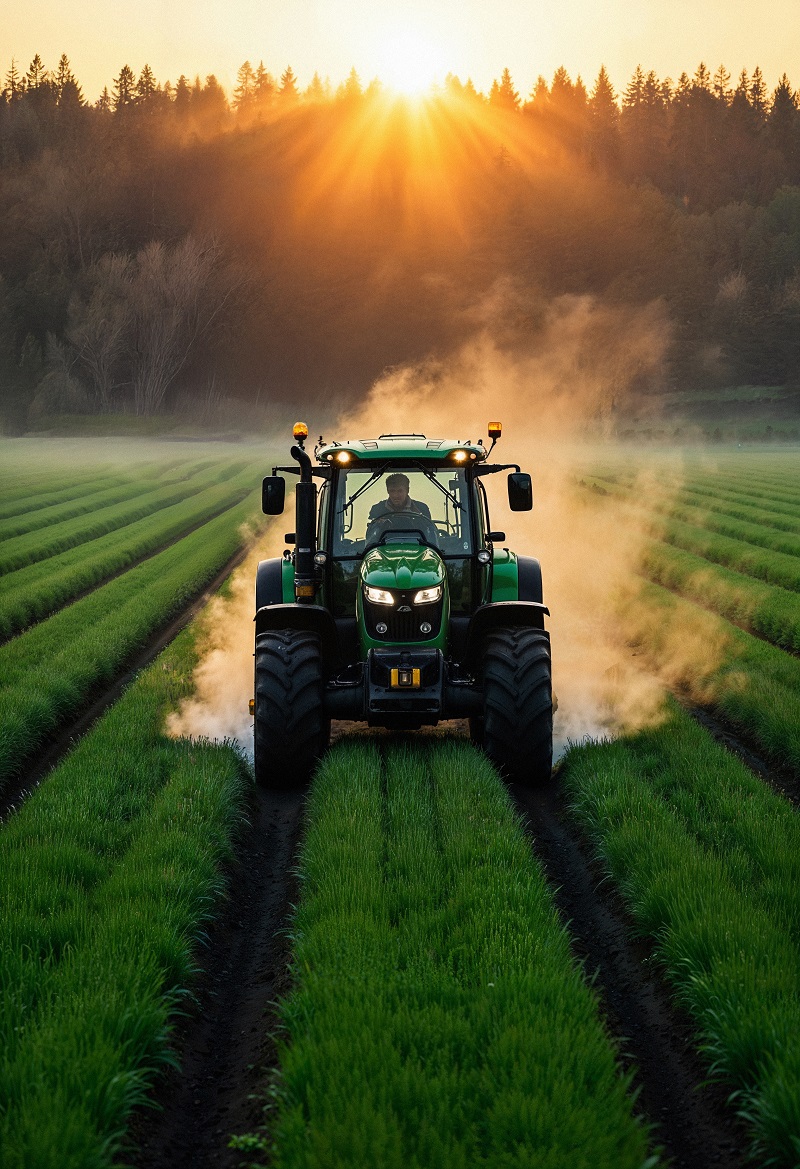
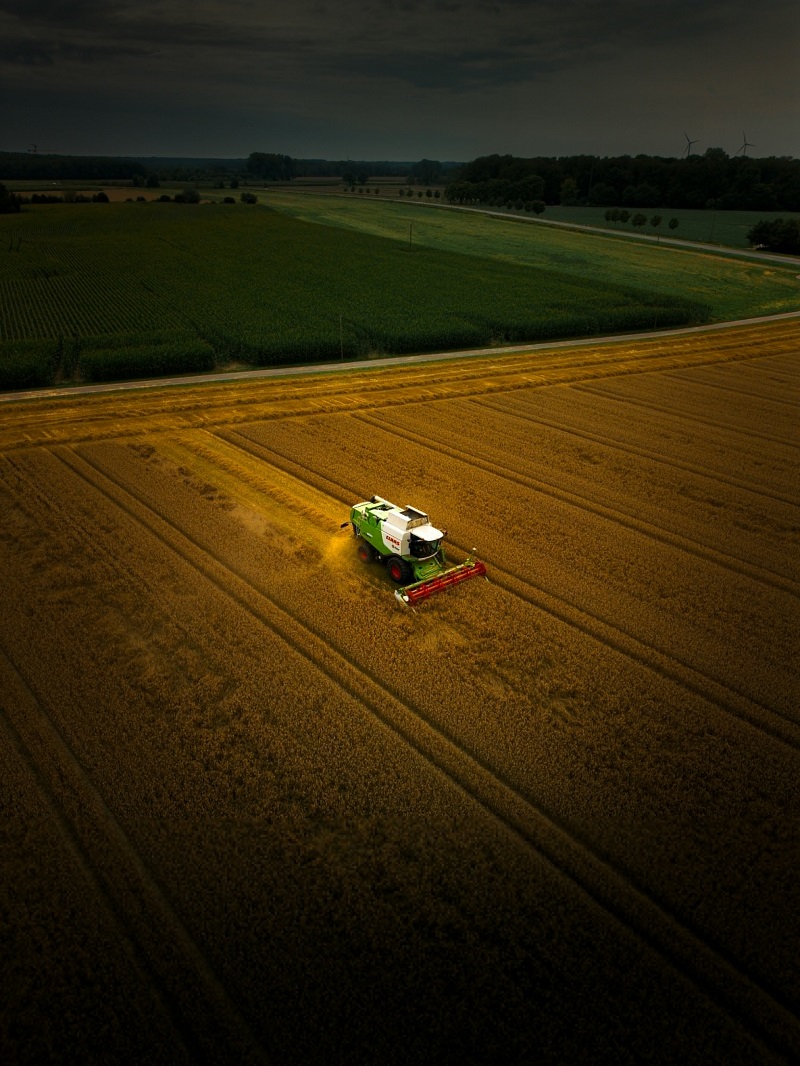
Agricultural tractors have revolutionized the way American farmers manage their land. Whether you’re cultivating small vegetable plots or operating a large-scale corn or soybean farm, choosing the right tractor is key to improving productivity, reducing labor, and optimizing costs. With a wide range of models now equipped with cutting-edge technologies, tractors have become essential, intelligent allies in sustainable farming. In this guide, we break down what to consider when purchasing a tractor, the benefits it offers, and the latest innovations in tractor technology tailored for U.S. agriculture. Why Agricultural Tractors Are Essential on Today’s Farms Tractors serve as the backbone of modern agriculture. Their versatility enables farmers to: By automating repetitive tasks, tractors cut labor costs and increase crop yields. For U.S. growers facing labor shortages and rising input prices, a reliable tractor can significantly improve farm economics. Key Factors to Consider When Choosing an Agricultural Tractor 1. Horsepower (HP) Selecting the right horsepower depends on your acreage, terrain, and operational needs: 2. Traction Type 3. Operator Comfort & Technology Modern tractors go beyond raw power. Features that enhance performance and comfort include: 4. Maintenance & Support Before you buy: Price Ranges for Agricultural Tractors in the U.S. (2025 Estimates) Tractor Type Typical Price Range (USD) Small (50-80 HP) $35,000 – $65,000 Medium (80-120 HP) $65,000 – $120,000 Large (120+ HP) $120,000 – $250,000+ Pro Tip: Certified pre-owned models can offer up to 30% savings and are often a smart investment for budget-conscious farmers. Latest Technologies in Agricultural Tractors – Explained Modern agricultural tractors are more than just powerful machines—they’re smart, efficient, and packed with technology to improve productivity and sustainability. Here’s how each innovation works: GPS & Auto-Guidance GPS-based auto-guidance systems help farmers steer tractors with extreme precision.Why it matters: With sub-inch accuracy, operators can cover large fields efficiently—even at night or in poor visibility. Telemetry & Remote Monitoring Tractors now include built-in telemetry systems that send real-time data to a computer or smartphone.Key benefits: This allows farm managers to make timely decisions and reduce downtime. Eco-Efficient Engines New tractor engines comply with Tier 4 emissions standards (required in the U.S.), significantly reducing pollutants like nitrogen oxides and particulate matter.Advantages: Precision Farming Integration Today’s tractors can work in sync with precision agriculture tools.How it helps: This real-time responsiveness maximizes ROI and supports sustainable farming. Smart Cabs Operator comfort and efficiency are key in long workdays.Modern tractor cabs now feature: All these features reduce fatigue and boost productivity in the field. Top Agricultural Tractor Brands in the U.S. Brand Highlights John Deere Market leader; robust tech; wide dealer network Case IH Strong lineup for large-scale farming; innovation-driven New Holland User-friendly tech; excels in grain and hay production Kubota Compact models; great for small and mid-sized farms Massey Ferguson Balanced performance and cost-efficiency Fendt Premium engineering; top-tier tech for precision agriculture Mahindra Reliable and affordable; growing footprint in the U.S. market CLAAS Known for large tractors and combine harvesters Final Thoughts: Is Investing in a Tractor Worth It? Absolutely. A well-chosen agricultural tractor isn’t just a machine—it’s a long-term partner in your farming operation. From reducing manual labor to enhancing crop efficiency, the benefits far outweigh the costs. Before making your final decision: With today’s innovations, the best tractors offer not only power but also intelligence—helping American farmers grow more, spend less, and farm sustainably.

How to Grow Sugarcane: A Smart Investment for Sustainable Agriculture

Why Sugarcane Farming Matters Sugarcane is more than just a source of sweetness—it’s a high-value crop with increasing demand in both the food and biofuel sectors. For U.S. growers, especially in southern states like Florida, Louisiana, and Texas, sugarcane farming offers promising economic returns and sustainability benefits. If you’re considering diversifying your agricultural operation or investing in a renewable crop, sugarcane may be the perfect fit. What Is Sugarcane and Why Is It Valuable? Sugarcane (genus Saccharum) is a perennial grass that thrives in warm climates and fertile soils. While it’s traditionally associated with tropical regions like Brazil and India, several U.S. states have thriving sugarcane industries, particularly for sugar and ethanol production. Primary uses of sugarcane include: What You Need to Start Growing Sugarcane 1. Soil Analysis and Land Preparation Before planting sugarcane, conduct a professional soil test to determine: Once analyzed, the land must be well-prepared through tilling, plowing, and leveling. This ensures proper aeration, root development, and water flow. 2. Climate Conditions and Location Sugarcane requires: Ideal U.S. regions include southern Florida, parts of Louisiana, southern Texas, and Hawaii. 3. Variety Selection Choose a sugarcane variety based on: Consult with your local Cooperative Extension Service or USDA office for region-specific recommendations. 4. Planting and Propagation Sugarcane is usually propagated from stalk cuttings (called setts), not seeds. Best practices include: 5. Irrigation and Fertilization 6. Pest and Disease Management Sugarcane is vulnerable to borers, aphids, and fungal diseases like rust. Adopt Integrated Pest Management (IPM) practices: Economic and Environmental Benefits of Sugarcane Farming 1. High Market Demand The global need for sugar and renewable biofuels makes sugarcane a valuable cash crop. U.S. ethanol plants increasingly source cane for clean energy production. 2. Diversified Income Streams 3. Sustainability Advantages Challenges and How to Overcome Them 1. Pest and Disease Pressure 2. Market Volatility 3. Labor and Mechanization Sugarcane harvesting can be labor-intensive. Invest in: Tech Innovations in Sugarcane Agriculture Tech Innovations in Sugarcane Agriculture Modern technology is transforming how sugarcane is grown across the U.S., especially in states like Florida, Louisiana, and Texas. These innovations help farmers boost yields, lower input costs, and make more sustainable choices. Precision Agriculture (GPS mapping, soil sensors, and variable-rate irrigation) Precision agriculture uses technology to manage crops more efficiently and site-specifically. Remote Sensing (Drones and satellite imagery for crop monitoring) Remote sensing tools give growers a bird’s-eye view of their fields—essential for early detection and fast decision-making. Big Data & Artificial Intelligence (AI) (Yield prediction models and pest forecasting) Combining historical data with AI leads to smarter farm decisions. Bioengineering (Drought-resistant and high-yield sugarcane varieties) Biotechnology is driving the development of next-generation sugarcane suited to U.S. growing conditions. Is Sugarcane Right for You? Sugarcane farming in the U.S. offers both profitability and ecological advantages. With careful planning, modern practices, and access to the right resources, sugarcane can become a cornerstone crop for your sustainable farming operation.

Understanding Agribusiness Indicators: Key Metrics Driving U.S. Agricultural Markets

Why Agribusiness Indicators Matter in a Dynamic U.S. Market In today’s data-driven agricultural economy, understanding agribusiness indicators is essential for decision-makers at every level—from farmers and agronomists to investors and policy makers. These metrics help evaluate the economic, environmental, and social performance of the agricultural sector, offering deep insights into supply chains, crop health, and market fluctuations. In the United States, where regional diversity and global competition are central to farming, the ability to interpret these indicators enables proactive strategy and risk management. What Are Agribusiness Indicators? Agribusiness indicators are measurable data points that reflect various aspects of the agricultural market. They play a critical role in identifying trends, evaluating risks, and guiding investment or production decisions. Core Categories of Agribusiness Indicators These indicators are indispensable tools for understanding the overall health and competitiveness of U.S. agribusiness. The Most Influential Agribusiness Indicators in the U.S. Commodity Prices Commodity price indexes are arguably the most tracked data in the ag sector. Prices for crops like corn, soybeans, cotton, and livestock products are influenced by global supply chains, fuel prices, climate events, and USDA forecasts. Example: The Chicago Board of Trade (CBOT) provides real-time futures prices for corn and soybeans, serving as a benchmark for growers nationwide. Production Indexes The USDA’s National Agricultural Statistics Service (NASS) issues regular production reports that compare current output with historical trends and weather-adjusted projections. Use case: Growers in the Midwest use these forecasts to plan planting density, input usage, and storage requirements. Supply and Demand Trends Supply-and-demand ratios help forecast market equilibrium and price movements. When demand exceeds supply, it typically leads to higher profitability; surplus can cause price drops. Key Example: The WASDE (World Agricultural Supply and Demand Estimates) report released monthly by the USDA. Climatic Data and Drought Monitors Weather remains one of the most volatile and impactful factors in farming. Platforms like NOAA and the U.S. Drought Monitor provide detailed, up-to-date maps and reports that influence sowing decisions and insurance policies. Regional & Global Trade Indicators International trade policies, tariffs, and logistics affect U.S. agribusiness profitability. Exports of grains and protein products represent a major share of the market—particularly to Asia and Latin America. Trade resource: USTR and USDA trade outlooks help exporters and buyers navigate market dynamics. How to Analyze and Interpret Agribusiness Indicators Reading Charts and Graphs Understanding visual data is critical. Reading Between the Lines Tools for Forecasting The Future of Agribusiness Indicators Digital Agriculture and Big Data Big data platforms like Climate FieldView and John Deere Operations Center allow farms to gather real-time insights from field sensors, drones, and satellite imagery. These systems monitor soil health, crop vigor, and moisture in granular detail. AI and Predictive Analytics Artificial intelligence tools can: Sustainability Metrics Future indicators will place more emphasis on environmental and social responsibility. These include: Consumers increasingly demand traceability and sustainable sourcing, and these values will be reflected in ag performance benchmarks. Mastering Agribusiness Metrics for Smarter Decisions The ability to understand and apply agribusiness indicators is a key differentiator in today’s fast-paced agricultural world. Whether you’re a producer, analyst, or ag-tech investor, these tools offer actionable insights that help reduce risk and seize market opportunities.

How to Grow Sorghum Successfully: A Comprehensive U.S. Guide

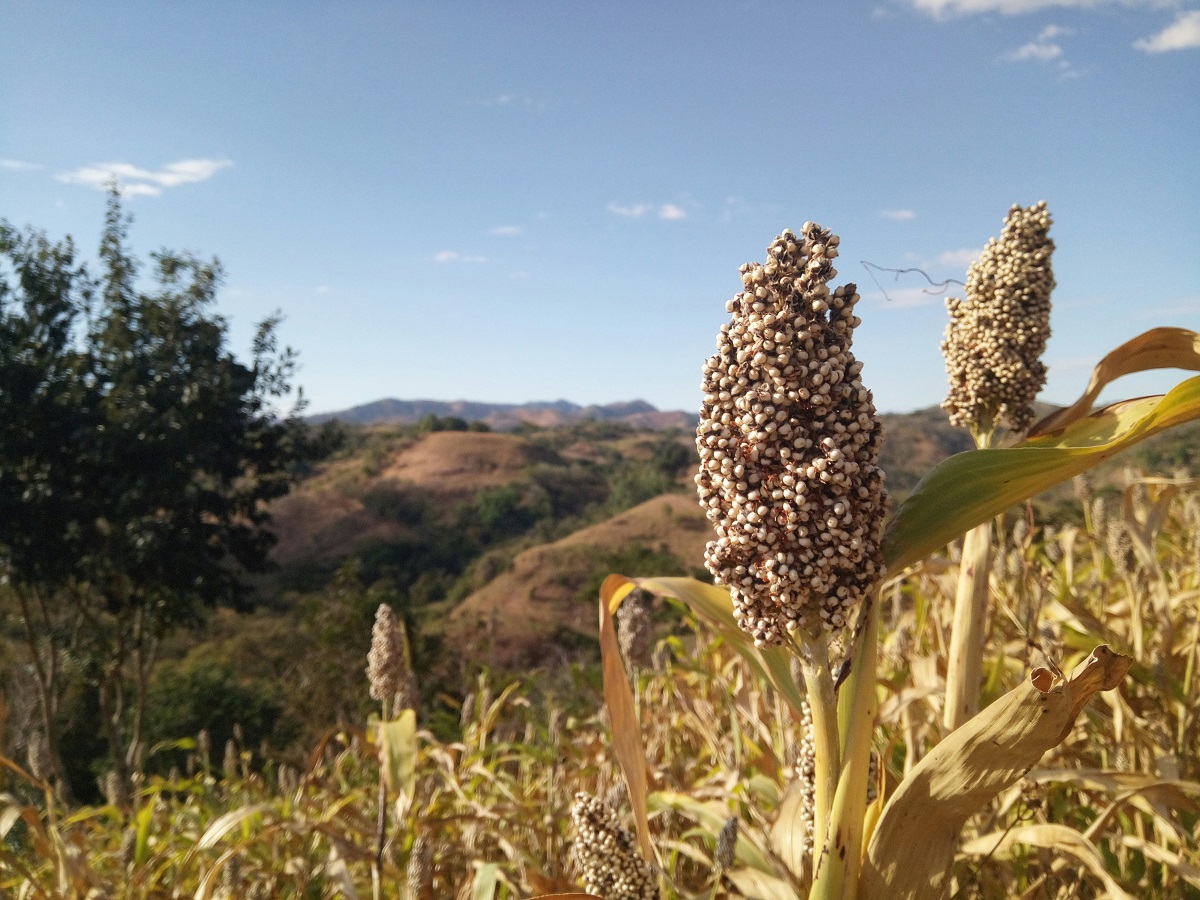
Why Sorghum Deserves a Place on Your Farm Sorghum is a resilient, versatile cereal crop with rising popularity across the U.S. As a reliable source of grain, forage, and bioenergy, sorghum thrives in drought-prone areas and suits both small and large-scale operations. This guide walks you through planting sorghum, maximizing yields, and integrating sustainable practices tailored to American climates. Why Grow Sorghum in the U.S.? Versatile Uses Key Benefits Ideal Conditions for Planting Sorghum Climate Requirements Soil Needs Elevation & Topography How to Prepare for Sorghum Cultivation Planning & Objectives Land Preparation Planting Sorghum Seed Selection Planting Guidelines Crop Management & Care Nutrient Management Weed, Pest & Disease Management Irrigation Practices Harvesting & Post-Harvest Handling H3: Harvest Timing Storage Sorghum Varieties for U.S. Production Type Use Grain Sorghum Livestock feed, flour, ethanol Forage Sorghum Silage, grazing Sweet Sorghum Biofuel and syrup production Biomass Sorghum Energy and mulch Selecting the best variety depends on your farm goals and regional conditions. Tools & Technology for Sorghum Success Essential Equipment Tech & Management Tools Expert Tips for Excellent Sorghum Yields Make Sorghum a Smart Addition to Your Crop Rotation Sorghum offers resilience, flexibility, and multiple market opportunities—from grain to biomass. With sound planning, crop care, and sustainability practices, U.S. growers can incorporate sorghum into their rotation to enhance profitability and soil health.

How to Start Grape Cultivation: A Complete Guide for a Thriving Vineyard

Grapes are one of the most rewarding crops to grow, both in terms of flavor and profitability. Whether you’re looking to start a vineyard for wine production, juice, or fresh market sales, understanding the key steps in grape cultivation is essential to long-term success. In this complete guide, we cover everything you need to know to establish a productive, sustainable vineyard on American soil. Why Consider Grape Cultivation? Grapes offer a range of benefits for agricultural entrepreneurs: Ideal Conditions for Growing Grapes in the U.S. Understanding your environment is key to successful grape cultivation. Here’s what to consider: Climate Soil Topography Elevation Step-by-Step Guide to Grape Cultivation 1. Planning Your Vineyard 2. Soil Preparation 3. Sourcing Quality Vines 4. Planting the Vines 5. Vineyard Management 6. Trellising and Training 7. Harvesting Grapes Popular Grape Varieties in the U.S. Table Grapes Wine Grapes Juice Grapes Tools and Equipment You’ll Need Pro Tips for a Successful Vineyard Conclusion: Grow Grapes with Confidence Starting a vineyard may seem daunting, but with the right preparation and management strategies, it can be a deeply rewarding endeavor. From climate conditions to vine selection and pest control, each step plays a critical role in your vineyard’s success. Whether you’re cultivating for pleasure, profit, or production, this guide equips you with the knowledge to thrive.

How to Grow Cherries: A Complete Guide from Planting to Harvest

Cherries are one of the most beloved fruits in the United States, valued not only for their sweet and tart flavor but also for their potential as a high-value crop. Whether you’re a commercial grower or a hobbyist looking to establish a productive orchard, cultivating cherries can be a rewarding venture—provided you understand their specific growing needs. In this comprehensive guide, we’ll explore everything you need to know about growing cherries in the U.S., including selecting the right varieties, preparing your land, planting techniques, integrated pest management (IPM), harvesting practices, and essential tools for success. Why Grow Cherries? Growing cherries can be both profitable and satisfying. Here are some of the key benefits: Ideal Conditions for Cherry Cultivation Cherries require a very specific climate and soil profile to thrive. Consider these factors when choosing your site: Climate Soil Requirements Sunlight and Elevation Choosing the Right Cherry Varieties Your selection should depend on your region, market demand, and whether you’re producing for fresh consumption or processing. Popular Sweet Cherry Varieties Popular Tart (Sour) Cherry Varieties Pollination Most sweet cherries need cross-pollination. Plan to plant at least two compatible varieties. Preparing Your Orchard Step 1: Soil Testing and Amendment Step 2: Land Preparation How to Plant Cherry Trees Planting Tips: Cross-Pollination Strategy Orchard Management and Tree Care Fertilization Irrigation Pruning Weed and Groundcover Control Common Cherry Pests and Diseases Key Pests: Common Diseases: Integrated Pest Management (IPM) Implement sustainable control strategies to maintain orchard health: Harvesting Cherries Post-Harvest Tips Equipment and Supplies Here are key tools and materials you may need: Pro Tips for a Successful Cherry Harvest Final Thoughts Growing cherries in the U.S. can be a fruitful endeavor—literally and financially—when approached with careful planning and management. By selecting the right varieties, preparing your land properly, and investing in ongoing care, you can enjoy years of productive harvests.

Flower Farming: A Complete Guide to Starting a Profitable Floral Business

Why Flower Farming is Blooming in the U.S. The flower farming industry in the United States is flourishing, driven by growing demand for fresh blooms at weddings, events, and everyday home decor. Whether you’re an aspiring farmer or a backyard grower with a passion for flowers, this guide will show you how to turn flower growing into a profitable business. From selecting the right varieties to marketing your bouquets locally or online, flower farming offers flexibility, creative freedom, and steady income when done right. Let’s dig into everything you need to know to start growing and selling flowers successfully in the U.S. Benefits of Starting a Flower Farming Business Step 1: Planning Your Flower Business Choose Your Niche in the Flower Market Before planting your first seed, decide what type of flowers you’ll grow: Focus on flowers suitable for your USDA hardiness zone and market demand in your area. Select the Right Location Create a Business Plan Your plan should include: Step 2: Growing Flowers – From Soil to Bloom Sourcing Seeds and Supplies Soil Preparation and Planting Flower Care and Pest Management Step 3: Harvesting and Selling Your Flowers Best Practices for Harvesting Sales Channels in the U.S. Floral Market Marketing Your Flower Business Top Tips for Running a Successful Flower Farm 1. Diversify Your Offerings Include herbs, fillers (like eucalyptus), and dried arrangements to expand your product line. 2. Focus on Quality and Freshness Invest in cold storage or a flower cooler to preserve blooms. Quality makes or breaks repeat business. 3. Deliver Excellent Customer Service Personalized service, handwritten notes, and on-time delivery go a long way in the flower business. 4. Stay Ahead of Trends Keep up with color palettes, eco-conscious packaging, and sustainable floral design. 5. Build Partnerships Connect with local florists, grocery stores, wedding vendors, and event planners for consistent demand. Avoiding Common Pitfalls in Flower Farming Challenge Prevention Tip Pest & disease outbreaks Regular monitoring, IPM, crop rotation Poor weather Use row covers, greenhouses, and weather alerts Flower spoilage Harvest at optimal time and store properly Overproduction Track inventory and manage plantings strategically Delivery damage Use breathable, secure packaging and fast delivery routes Essential Tools and Equipment Extra Tips for Flower Farming Success Let Your Flower Business Bloom Starting a flower farm in the U.S. combines creativity, sustainability, and business opportunity. With proper planning, passion, and market strategy, your backyard or small acreage can grow into a thriving floral brand. Whether you’re selling at local markets or shipping bouquets nationwide, the flower farming journey is as rewarding as it is beautiful.

Essential Agricultural Inputs for Effective Weed Control: A Comprehensive Guide

Weeds are among the most persistent challenges in agriculture, competing with crops for vital resources like water, nutrients, and sunlight. Left unmanaged, they can cause significant yield losses and increase production costs. Fortunately, U.S. growers have access to a variety of agricultural inputs and strategies to control weeds effectively, from conventional herbicides to sustainable biological alternatives. In this comprehensive guide, we explore the most effective agricultural inputs to combat weeds and how to implement them in an integrated weed management system. Whether you’re cultivating row crops, vegetables, or orchards, these tools and techniques can help you protect your investment and improve soil health. What Are Agricultural Inputs for Weed Control? Agricultural inputs for weed control refer to materials or substances applied to agricultural fields to suppress or eliminate undesirable plant species. These inputs include chemical herbicides, biological solutions, organic mulches, and cultural practices like crop rotation. 1. Chemical Herbicides: The Traditional Powerhouse Herbicides are one of the most commonly used agricultural inputs in the United States for fast and effective weed control. They come in several categories: Pre-Emergent Herbicides Post-Emergent Herbicides Selective Herbicides Non-Selective Herbicides Important: Always follow label instructions and wear proper protective equipment. Misuse can harm crops, the environment, and human health. 2. Biological Inputs: A Sustainable Alternative As sustainability becomes a priority in U.S. agriculture, many growers are turning to biological inputs for weed control. These methods offer lower environmental impact and support soil biodiversity. Bioherbicides Natural Predators Plant-Based Extracts Example: Phoma macrostoma, a fungal bioherbicide registered for broadleaf weed control in turfgrass. 3. Mulching: A Natural Weed Barrier Mulching is an effective non-chemical method that involves covering soil with organic or synthetic materials to block weed emergence. Popular materials include: Benefits: 4. Cultural Practices: Prevention Through Smart Farming Cultural inputs are preventive practices that reduce the likelihood of weed problems. Crop Rotation Cover Crops Timely Planting & Dense Seeding 5. Integrated Weed Management (IWM): The Best of All Worlds Integrated Weed Management (IWM) combines chemical, biological, and cultural approaches to maximize weed control while minimizing environmental impact. Key Principles: IWM is increasingly promoted by agricultural extension services, particularly for large-scale farms facing herbicide-resistant weed species like Palmer amaranth or waterhemp. Tips for Effective Weed Control Final Thoughts: Choosing the Right Inputs for Your Operation Effective weed control isn’t about a one-size-fits-all solution. By combining the right inputs—whether chemical herbicides, biologicals, mulches, or smart farming practices—U.S. growers can protect their crops, boost yields, and maintain sustainable systems.

The Ultimate Guide to Growing Strawberries: From Planting to Harvest

Why Strawberries Are One of the Best Crops to Grow in the U.S. Strawberries are not only one of the most beloved fruits in American households, but they also represent a lucrative opportunity for growers. From small organic farms to large-scale commercial operations, strawberries offer high market value, relatively quick turnaround from planting to harvest, and strong consumer demand. In this comprehensive guide, we’ll walk through how to plant strawberries, care for them, and maximize your harvest using sustainable and efficient techniques that suit diverse U.S. climates. Choosing the Right Strawberry Variety for Your Region Understand Daylength Categories Strawberry varieties are commonly categorized by their response to day length: Pro Tip: Contact your local USDA extension office for variety recommendations specific to your area. Resistance to Pests and Diseases Choose cultivars with natural resistance to common strawberry threats such as: This reduces the need for chemical intervention and supports organic certification if desired. Preparing Soil and Planting Strawberries Soil Testing and Amendment Ideal soil conditions for strawberries include: Incorporate aged compost or well-rotted manure to enhance fertility and water retention. Use raised beds to improve drainage and protect from root-borne pathogens. Planting Techniques Use only certified disease-free transplants for optimal results. Caring for Your Strawberry Plants Irrigation for Consistent Moisture Strawberries require steady soil moisture, especially during fruiting. Best practices include: Fertilization Guidelines Apply balanced organic fertilizers or follow a soil test-based program that includes: Incorporate compost tea or seaweed extract for micronutrient support. Mulching and Weed Control Apply straw, pine needles, or wood chips around plants to: Avoid black plastic in hot climates as it can overheat root zones. Pest and Disease Prevention Adopt Integrated Pest Management (IPM): Flowering, Harvesting, and Post-Harvest Tips Flower and Runner Management Harvest Timing Pick strawberries when they’re fully red and firm. Morning harvests preserve freshness and reduce spoilage. Best Practices: Storage and Distribution Post-harvest storage tips: Sustainability Practices for Long-Term Strawberry Success Crop Rotation and Soil Health Avoid planting strawberries in the same bed for consecutive seasons. Rotate with: Apply cover crops like clover or rye in off-seasons. Organic and GAP Certification Pursue certifications to access premium markets. GAP (Good Agricultural Practices) ensures safety and traceability. Certification steps include: Make Strawberries a Profitable Part of Your Crop Plan Strawberries can be one of the most rewarding crops for U.S. growers. With the right variety, soil preparation, irrigation, and harvesting strategies, you can produce premium fruit that commands top market prices.

How to Grow Cucumbers at Scale: From Soil Prep to Market-Ready Harvest

Why Cucumbers Are a Smart Choice in the Agricultural Products Market Cucumbers are among the most profitable and versatile agricultural products for American growers. Whether destined for fresh consumption or pickling, cucumbers offer a fast-growing, high-yield crop suitable for various climates across the U.S. With the right approach to soil preparation, irrigation, pest control, and harvesting, farmers can produce high-quality cucumbers that stand out in a competitive market. In this comprehensive guide, we’ll explore best practices tailored to large-scale cucumber production in the U.S., focusing on sustainable techniques, irrigation for small farms, and smart soil management. Planning and Soil Preparation for Cucumber Production Selecting the Right Variety for Your Market U.S. farmers should choose cucumber varieties based on market demand and regional climate. Common options include: Each type requires different care, so seed selection should match your farm goals and local growing conditions. Soil Testing and pH Adjustment Before planting, conduct a comprehensive soil test to evaluate pH, nutrient levels, and organic matter. Ideal soil for cucumbers should be: Tip: Add compost or aged manure during pre-plant tilling to improve soil texture and microbial life. Land Preparation Techniques Efficient Irrigation Systems for Small and Medium-Scale Farms Irrigation is crucial for optimal cucumber growth. Especially on small farms, the right system ensures water efficiency and crop health. Drip Irrigation—The Smart Solution This method delivers water directly to the plant’s root zone, minimizing evaporation and disease risk. Benefits include: Sprinkler and Overhead Systems These systems cover larger areas but may promote leaf wetness, increasing disease pressure. Use with caution in humid regions. Rainwater Collection for Sustainability Install cisterns or rain barrels to collect and store rainfall, reducing reliance on municipal or well water. Crop Management: Fertilization, Trellising, and Pest Control Smart Fertilization for Maximum Yields Cucumbers are heavy feeders. Apply fertilizer based on soil test recommendations, focusing on: Fertigation Tip: Combine drip irrigation with liquid fertilizer delivery to streamline nutrient uptake. Trellising Improves Airflow and Yield Train cucumber vines vertically using trellises or netting. Benefits include: Integrated Pest Management (IPM) Use a mix of preventive and responsive pest control strategies: Harvesting and Post-Harvest Handling Timing and Frequency Cucumbers are best harvested when they reach 6–10 inches, depending on the variety. Frequent harvesting (every 2–3 days) encourages more fruit production. Handling and Storage To preserve quality: Packaging Tip: Use ventilated crates or cardboard boxes with moisture barriers. Sustainability Practices for Long-Term Profitability Crop Rotation Alternate cucumbers with legumes, corn, or cover crops to restore soil nutrients and reduce soil-borne diseases. Good Agricultural Practices (GAP) Certification Certification improves market access and assures buyers of food safety compliance. Requirements include: Make Cucumbers One of Your Best Agricultural Products Cucumber cultivation offers high returns when done with careful planning, efficient irrigation, and sustainable practices. Whether you’re managing a few acres or scaling up, this vegetable can become one of your best agricultural products in today’s demanding market.