Plant and Harvest

Digital Tools for Farmers: How to Sell Direct to Consumers Online

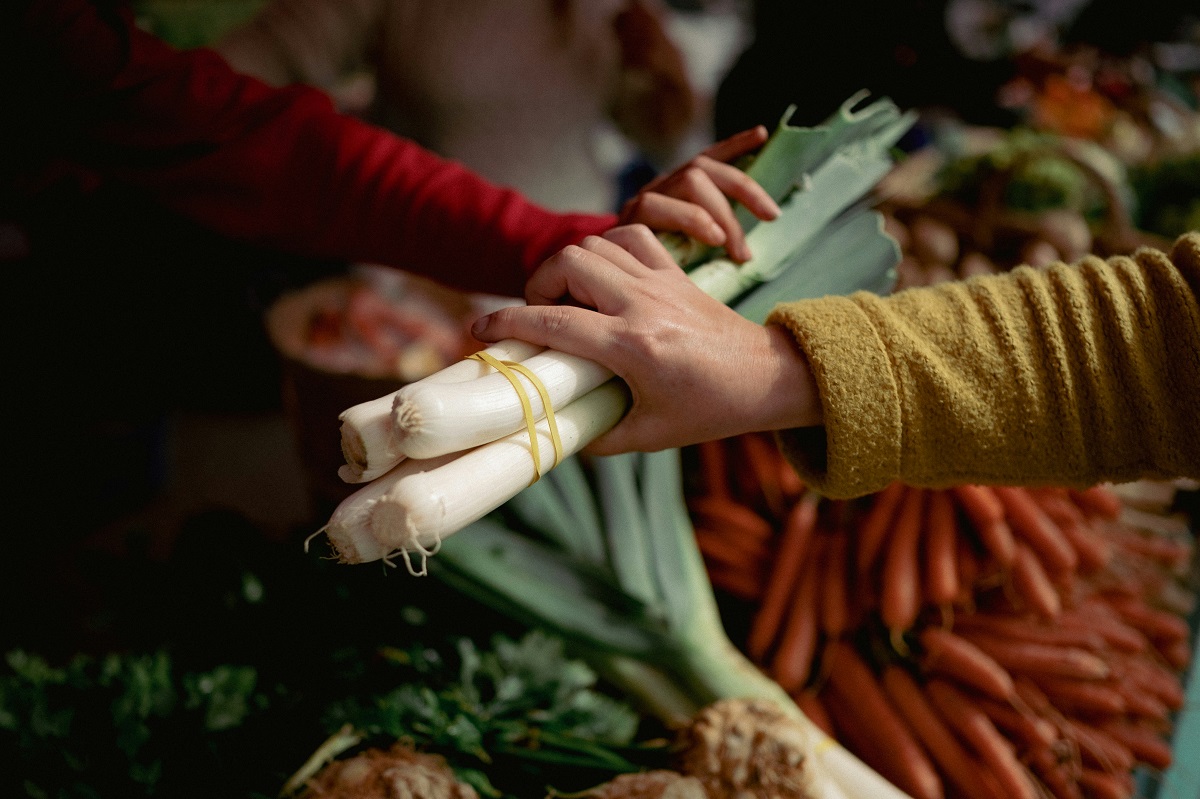
Boost profits and build customer loyalty with digital direct‑to‑consumer strategies for American farms. Why Selling Direct to Consumers Is Gaining Momentum US farms increasingly bypass middlemen by selling direct-to-consumer (DTC) using online storefronts, mobile apps, CSAs, and delivery services. This shift not only increases profitability but fosters transparency and stronger connections with local customers. With the rise of consumer demand for local, sustainably sourced food, DTC is shaping a new era for U.S. agriculture. Key Digital Sales Models & Platforms 🛒 Online Marketplaces & Farm E‑Stores 🚚 Regional & National Delivery Networks 🥕 CSA (Community Supported Agriculture) & Local Hubs 📈 Benefits of Going Digital as a U.S. Farmer 🧩 Real U.S. Success Stories 🚧 Challenges to Consider ✅ How to Start Selling Direct as a U.S. Farmer 📊 At a Glance: Platforms Compared Platform Best For Cost/Model Notes Red Hen App Small farms starting DTC 0 USD startup + 2% fee Simple setup; includes marketing Barn2Door Medium-sized branded farms Monthly subscription Customizable store, tools for growth GrazeCart Meat farms selling in bulk Subscription-based Ideal for half/whole animal sales Market Wagon Multi-product local delivery Varies by region Wide‑reach regional platform Crowd Cow Premium meat/seafood delivery Commission or program fee Customers buy direct from ranchers 🔚 Final Thoughts Digital direct-to-consumer sales offer U.S. farmers a chance to regain control, boost profitability, and build meaningful relationships with consumers. Whether you’re a small vegetable grower or a livestock producer, there’s a platform and model tailored to your scale and goals. Start small, focus on quality and customer experience, and let your farm’s story be the foundation of your brand.

Natural Pest Control: Effective Biological Methods

Eco‑friendly alternatives to synthetic pesticides that protect crops and build resilient systems. Why Natural Pest Control Matters in the U.S. As chemical pesticide resistance grows and consumers demand safer, more sustainable produce, many American farmers are turning to biological pest control—using natural predators, pathogens, and environmental strategies—to protect crops with minimal impact on the ecosystem. 1. What Is Biological Pest Control? Biological pest control (biocontrol) uses predators, parasites, pathogens, or beneficial microorganisms to suppress pest populations. It is highly targeted and ideal for Integrated Pest Management (IPM). Key agents include: 2. Agents of Biological Control & How They Work 🐞 Predators (Ladybugs, Lacewings) 🐝 Parasitoids (Trichogramma Wasps) Tiny Trichogramma wasps lay eggs inside moth or caterpillar eggs, stopping infestations before they begin—widely used in U.S. corn and orchard systems. 🦠 Pathogens (Fungi, Bacteria, Nematodes) 3. Benefits for American Farms 4. U.S. Success Stories 5. Practical Steps for American Farmers ✅ Integrated Pest Management (IPM) Combine biocontrol with crop rotation, sanitation, and habitat design (e.g. beetle banks, flowering strips) for effective pest suppression. ✅ Companion Planting & Habitat Support Plant pest-repelling herbs (e.g., garlic, marigolds, basil) and support beneficial insect habitat with insect hotels or beetle banks. ✅ Use of Biopesticides Apply microbial biopesticides like Bt or Beauveria strains when pest pressure is high. Time the application for optimal effect. ✅ Physical Controls & Garden Hygiene Use floating row covers, hand‑pick large pests, trap slugs, remove plant debris—and keep soil healthy. 6. Limitations & Considerations 🌱 Summary Table: Biological vs. Chemical Pest Control Feature Biological Methods Chemical Pesticides Specificity High (targets specific pests) Broad-spectrum (affects many) Resistance development Rare Common over repeated use Environmental impact Low Higher risk to soil and wildlife Safety for humans/pets ✔️ Very safe ⚠️ Toxicity concerns Sustainability Long-term, often self-sustaining Requires repeated application Cost & maintenance Can be lower with planning Moderate to high input costs ✅ Final Thoughts Biological control offers powerful, sustainable pest management strategies for U.S. farms committed to ecological, organic, or IPM-based systems. These methods support healthier soils, safer food, and resilient ecosystems.

What Are Organic Foods & Why They Matter

Organic foods are grown and processed without synthetic fertilizers, pesticides, antibiotics, hormones, or genetically modified organisms (GMOs). Recognized by USDA’s National Organic Program, these foods follow strict standards to protect consumer health, animal welfare, and the environment. ✅ Top Benefits of Organic Foods (U.S. Perspective) 🌾 How Organic Food Is Certified in the U.S. To earn the USDA organic label, farmers must comply with the USDA National Organic Program standards: 🚫 Common Misconceptions & Limitations 🧭 USDA Zones & Organic Growing in Context Organic standards in the U.S. align with USDA regulations, with labeling seal widely recognized across all USDA growing zones. Organic produce is commonly found in: This supports consumers who prioritize health, environmental sustainability, and local food systems. ✔️ Best Practices for U.S. Farmers & Homesteaders 📌 Summary Table: Organic vs. Conventional Feature Organic Farming Conventional Farming Synthetic Pesticides ❌ Not allowed ✅ Commonly used Antibiotics / Hormones ❌ Not allowed in animal production ✅ Often used Nutrient Levels 🟢 Higher antioxidants, antioxidants ⚪ Mixed evidence Environmental Impact 🌍 Promotes biodiversity & soil health ❗Higher pollution risk Animal Welfare 🐄 Outdoor access + natural feed 🏭 Confinement, antibiotics use Consumer Perception ✅ Trusted organic seal + local sourcing ⚪ Less organic transparency 💡 Final Thoughts Organic food isn’t just a dietary trend—it represents a commitment to healthier food systems, better environmental stewardship, and ethical farming. While the benefits vary depending on crop and farming system, it’s often the best choice for those prioritizing food safety, local economy, and sustainability.

Autonomous Farm Machinery: How Smart Tractors & Harvesters Are Changing Farming in the U.S.

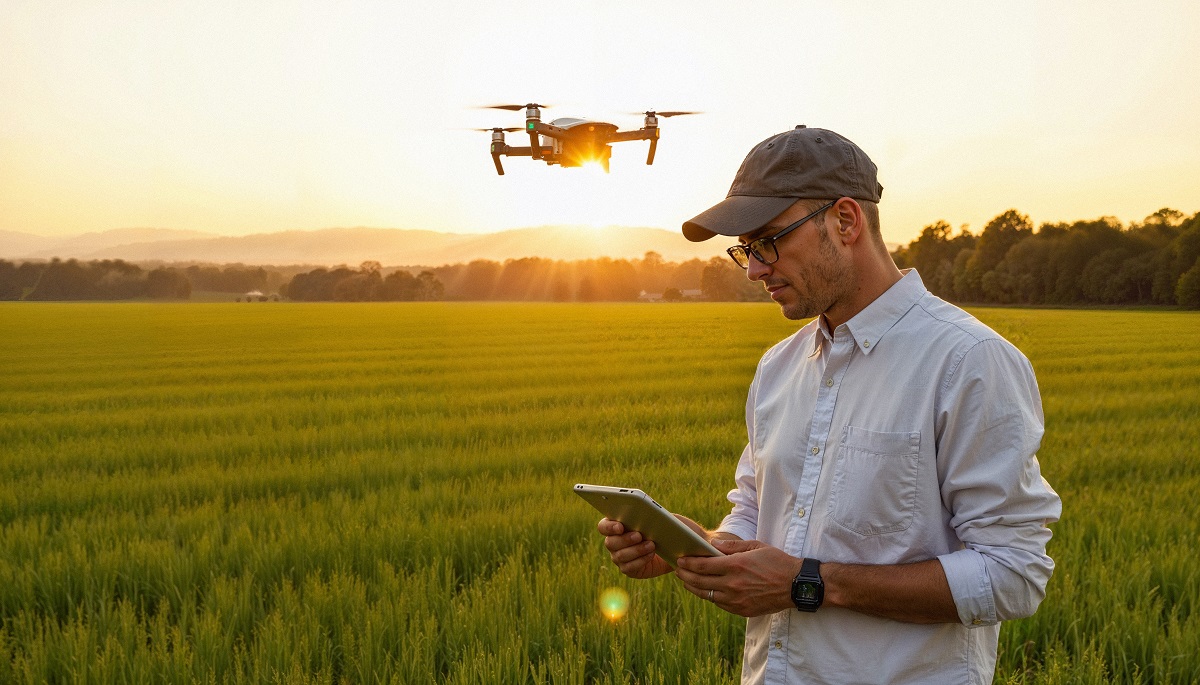
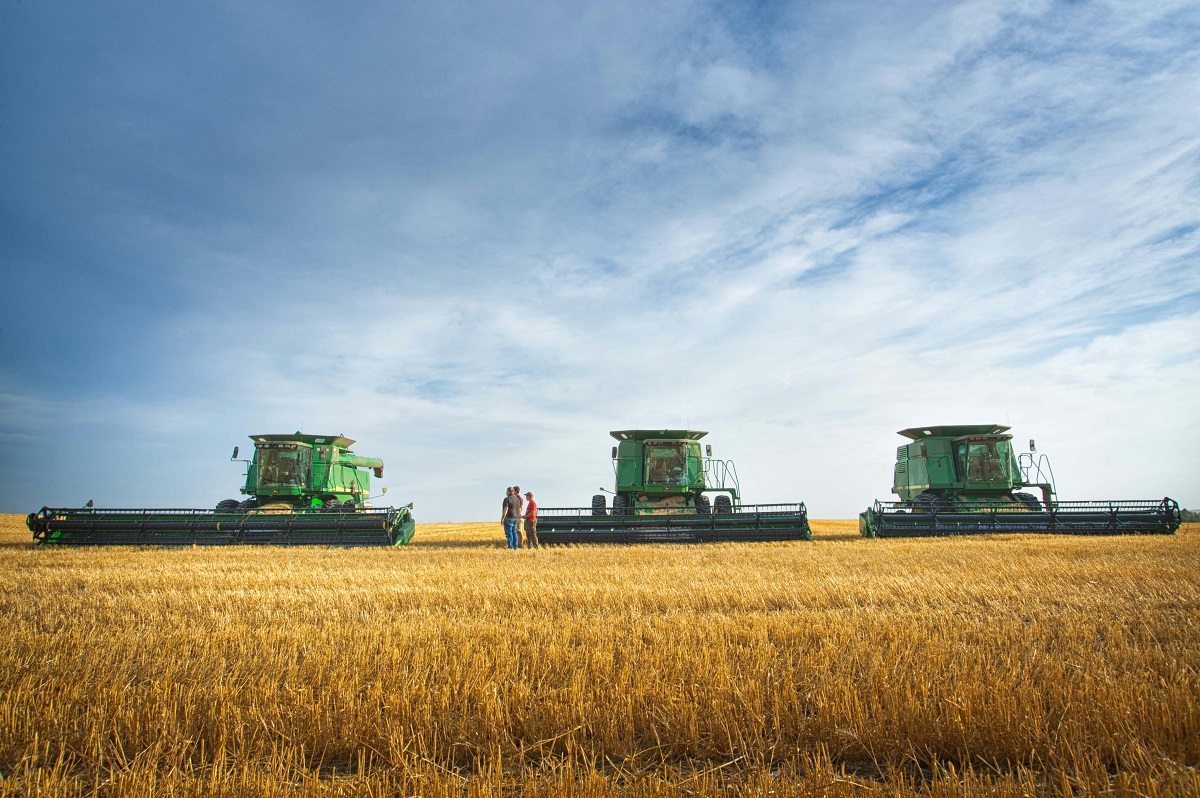
Explore the rise of intelligent farm equipment and what it means for American agriculture. 🔍 Why It Matters Labor shortages, rising input costs, and climate pressure are pushing American farmers to adopt autonomous machinery—like smart tractors, harvesters, and robotics—for higher efficiency and sustainability. 1. What Is Autonomous Agricultural Machinery? Autonomous farm equipment includes tractors and harvesters equipped with AI, GPS, lidar, sensors, and machine vision to steer, plant, spray or harvest with minimal human intervention. These machines collect real-time data to make better decisions, reducing waste and boosting yields. 2. How It Works: Key Technologies 3. Major Players in the U.S. Market 4. Key Benefits for American Farmers 5. Challenges and Considerations 6. Real U.S. Case Studies Region Example Outcome Iowa (grain farm) Integration of John Deere 8R autonomous tractor 12% less diesel, 17% better planting efficiency; remote control via iPad. California (vineyard) Monarch Tractor MK-V in narrow rows 40% cut in labor costs, better vine uniformity. Texas (cotton) Autonomous sprayers using Case IH automation 25% pesticide reduction, nighttime operations optimized field conditions. ✅ Final Thoughts Autonomous tractors and smart harvesters are no longer science fiction—they’re active tools reshaping farming practices in the U.S. By blending precision technology with modern data analytics, these machines empower farmers to work smarter, not harder. If you’re a small or mid-sized U.S. farmer, it’s worth considering how these technologies can fit into your setup. Focus on long-term ROI, training, and choosing equipment backed by strong support networks.