
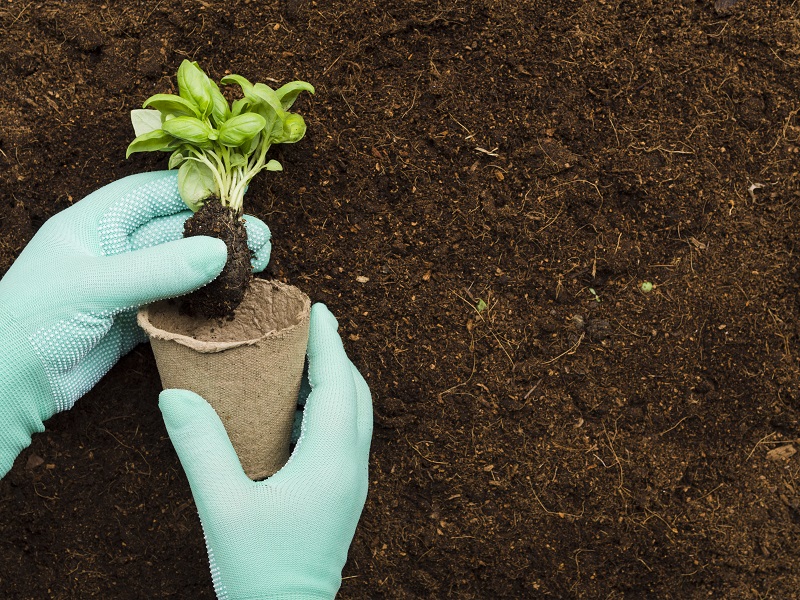
Proper fertilization is one of the fundamental pillars for success in any garden, whether home-based or commercial. Fertile, well-nourished soil ensures vigorous, productive plants that are resistant to pests and diseases, resulting in superior quality vegetables and abundant harvests. This comprehensive guide presents the main fertilization methods, fertilizer types, application techniques, and strategies for maintaining soil fertility over time.
Fundamentals of Soil Fertility
Essential Elements for Plants
Plants require 17 essential elements for complete development, divided into three categories:
Primary Macronutrients (consumed in largest quantities):
- Nitrogen (N): Fundamental element for vegetative growth, chlorophyll production, and proteins. Responsible for intense green color of leaves and plant vigor. Deficiency causes yellowing (chlorosis) starting with older leaves.
- Phosphorus (P): Essential for root development, flowering, fruiting, and energy transfer. Important in early growth stages. Deficiency causes slow growth, purplish coloration in leaves, and weak root systems.
- Potassium (K): Regulates metabolic processes, water and nutrient transport, disease resistance, and fruit quality. Deficiency causes necrosis on leaf edges, poor quality fruits, and plants more susceptible to stress.
Secondary Macronutrients:
- Calcium (Ca): Cell wall structure, root growth, and growing tips. Deficiency causes blossom end rot in tomatoes and peppers.
- Magnesium (Mg): Central component of chlorophyll, activates enzymes. Deficiency causes interveinal chlorosis (yellowing between veins).
- Sulfur (S): Component of proteins and vitamins, important for chlorophyll formation. Deficiency similar to nitrogen, but affects young leaves first.
Micronutrients (needed in small quantities): Iron (Fe), Manganese (Mn), Zinc (Zn), Copper (Cu), Boron (B), Molybdenum (Mo), Chlorine (Cl), Nickel (Ni). Despite small quantities, they are equally essential.
Importance of Soil pH
pH (potential of hydrogen) measures soil acidity or alkalinity, directly influencing nutrient availability:
pH Scale:
- Below 7.0: Acidic soil
- 7.0: Neutral soil
- Above 7.0: Alkaline soil
Ideal range for vegetables: 6.0 to 7.0 (slightly acidic to neutral)
Effects of inadequate pH:
- Too low pH (acidic): Aluminum and manganese can reach toxic levels; calcium, magnesium, and phosphorus become less available; microbial activity reduced.
- Too high pH (alkaline): Iron, manganese, zinc, copper, and boron become less available, causing deficiencies even when present in soil.
pH Correction:
- To raise pH (reduce acidity): Apply dolomitic limestone (contains calcium and magnesium) or calcitic limestone (calcium only). Apply 3-6 months before planting for complete reaction.
- To lower pH (reduce alkalinity): Apply elemental sulfur, iron sulfate, or acidic organic matter. Process slower than raising pH.


Soil Testing
Chemical soil analysis is the most important tool for determining fertilization needs:
How to conduct:
- Collect samples from 10-15 different points in the area
- Mix all samples together
- Remove approximately 1 pound from the mixture
- Send to accredited laboratory (Cooperative Extension, private labs)
Frequency: Every 2-3 years or before establishing new garden.
Information provided:
- Soil pH
- Macronutrient levels (N, P, K, Ca, Mg, S)
- Micronutrients when requested
- Organic matter percentage
- CEC (Cation Exchange Capacity)
- Lime and fertilization recommendations
Cost: Typically $10-$40 depending on state and test level.
Organic Fertilization
Organic fertilization uses materials of plant or animal origin, promoting not only nutrient supply but also improvement of soil’s physical, chemical, and biological properties.
Compost
Compost is the result of controlled decomposition of organic residues, being the most complete and versatile organic fertilizer.
Materials for composting:
Nitrogen-rich materials (greens):
- Fruit and vegetable scraps
- Coffee grounds
- Fresh animal manure
- Grass clippings
- Green crop residues
Carbon-rich materials (browns):
- Dry leaves
- Straw
- Sawdust (untreated wood only)
- Shredded paper
- Cardboard
- Shredded branches
Ideal ratio: 1 part green materials to 2-3 parts brown materials (by volume).
Composting process:
- Pile assembly:
- Alternate layers of green and brown materials
- First layer of twigs for drainage (4-6 inches)
- Layers of 6-8 inches of each material type
- Lightly water each layer
- Maintenance:
- Maintain moisture like wrung-out sponge (50-60%)
- Turn weekly for aeration
- Add water if necessary
- Ideal pile temperature: 130-150°F (active phase)
- Maturation:
- After 60-90 days (hot composting) or 6-12 months (cold)
- Finished compost: dark color, crumbly texture, earthy smell
- Ambient temperature
- Original materials not distinguishable
Application:
- Incorporation into soil: 1-2 inches per 100 sq ft before planting
- Top dressing: 1 inch over soil around plants
- Planting holes: 1-2 quarts per hole
Average composition:
- N: 1-2%
- P₂O₅: 0.5-1%
- K₂O: 0.5-1%
- Organic matter: 40-60%
Worm Castings (Vermicompost)
Product of organic matter digestion by earthworms, especially rich in available nutrients and beneficial microorganisms.
Characteristics:
- Richer in nutrients than regular compost
- pH near neutral
- High concentration of humic acids
- Rich in enzymes and growth hormones
- Excellent soil conditioner
Production:
- Worm bin:
- Container or bed 16-20 inches tall
- Good drainage
- Protected from direct sun and heavy rain
- Initial bedding:
- Aged manure or semi-finished compost
- Layer of 8-12 inches
- Worms:
- Species: Red wigglers (Eisenia fetida)
- Density: 1-2 pounds of worms per square foot
- Feeding:
- Chopped vegetable scraps
- Thin layers (1-2 inches)
- Add when previous layer consumed
- Harvesting:
- After 60-90 days
- Separate worms by screening or light method
Application:
- Soil: 1 quart per 10 sq ft
- Planting holes: 1/4-1/2 cup per hole
- Containers: 20-30% by volume
- Top dressing: thin layer monthly
Average composition:
- N: 1.5-2.5%
- P₂O₅: 1-2%
- K₂O: 1-1.5%
- High CEC
- pH: 6.5-7.5
Animal Manures
Traditional source of organic matter and nutrients, but must be well-aged before use.
Cow Manure:
- Most common and accessible
- Balanced composition
- Must be aged 3-4 months
- Application: 2-4 inches per 100 sq ft
- N: 0.5-0.6%; P₂O₅: 0.3-0.4%; K₂O: 0.5-0.6%
Chicken Manure:
- More concentrated in nutrients
- Risk of burning plants if fresh
- Age 4-6 months or compost
- Application: 1-2 inches per 100 sq ft
- N: 1.5-2.5%; P₂O₅: 1.5-2%; K₂O: 0.8-1%
- High calcium content
Horse Manure:
- Similar to cow, slightly richer
- Age 3-4 months
- Application: 2-3 inches per 100 sq ft
- N: 0.6-0.7%; P₂O₅: 0.3-0.5%; K₂O: 0.6-0.7%
Rabbit Manure:
- Very rich, similar to chicken
- Can be used fresher than others (1-2 months)
- Application: 1-2 inches per 100 sq ft
- N: 2-3%; P₂O₅: 1.5-2%; K₂O: 1-1.5%
Aging manures:
- Pile in shaded location
- Maintain moderate moisture
- Turn monthly
- Ready when dark, no strong odor, ambient temperature
Cover Crops/Green Manures
Plants grown specifically to be incorporated into soil, improving its properties.
Legumes (fix nitrogen):
Hairy Vetch (Vicia villosa):
- Fixes 90-180 lbs N per acre
- Deep root system
- Cycle: 120-150 days
- Seeding rate: 20-40 lbs/acre
Austrian Winter Pea (Pisum sativum):
- Fixes 70-140 lbs N per acre
- Rapid growth
- Cycle: 90-120 days
- Seeding rate: 50-70 lbs/acre
Crimson Clover (Trifolium incarnatum):
- Fixes 80-150 lbs N per acre
- Excellent soil cover
- Attracts beneficial insects
- Cycle: 150-180 days
Grasses (produce biomass and cycle nutrients):
Oats (Avena sativa):
- Large biomass production
- Aggressive root system
- Winter-killed in cold climates
- Cycle: 90-120 days
Annual Ryegrass (Lolium multiflorum):
- Excellent winter cover
- Good mulch production
- Cycle: 120-150 days
Mixes: Combining legumes and grasses maximizes benefits:
- Hairy vetch + rye
- Crimson clover + oats
- Austrian pea + annual ryegrass
Management:
- Seed in prepared area
- Allow growth until flowering
- Mow or cut
- Leave on soil as mulch or incorporate
- Wait 2-4 weeks before planting vegetables
Meals and Powders
Mineral sources with slow release.
Bone Meal:
- Rich in phosphorus (15-20% P₂O₅) and calcium (20-25%)
- Slow release
- Application: 2-4 lbs per 100 sq ft
- Excellent for flowering and fruiting
Blood Meal:
- N: 12-14%; fast-acting nitrogen source
- Application: 1-2 lbs per 100 sq ft
- Can lower pH slightly
Feather Meal:
- N: 12-15%; slower release than blood meal
- Application: 1-2 lbs per 100 sq ft
- Organic nitrogen source
Kelp Meal:
- N: 1%; P₂O₅: 0.5%; K₂O: 2-3%
- Rich in trace minerals and growth hormones
- Application: 1-2 lbs per 100 sq ft
Alfalfa Meal:
- N: 2-3%; contains triacontanol (growth stimulant)
- Application: 2-4 lbs per 100 sq ft
- Good organic matter source
Rock Phosphate:
- P₂O₅: 20-30% (very slow release)
- Works better in acidic soils
- Application: 4-8 lbs per 100 sq ft
- Long-term residual effect
Greensand (Glauconite):
- K₂O: 3-7%
- Iron and trace minerals
- Very slow release
- Application: 5-10 lbs per 100 sq ft
Wood Ash:
- Rich in potassium (3-8% K₂O)
- Contains calcium and micronutrients
- Raises soil pH
- Application: 1-2 lbs per 100 sq ft (use moderately)
- Only from untreated wood
Compost Tea and Liquid Fertilizers
Liquid fertilizers produced through extraction or fermentation, rich in nutrients and beneficial microorganisms.
Compost Tea:
Ingredients:
- 5 gallons water (non-chlorinated)
- 2-3 quarts finished compost
- 2 tablespoons molasses (food for microbes)
Preparation (Aerated):
- Fill bucket with water
- Add compost in mesh bag or loose
- Add molasses
- Aerate with aquarium pump for 24-36 hours
- Strain and use immediately
Application:
- Soil drench: Apply around plants
- Foliar spray: Strain well, apply early morning or evening
- Use within 4 hours of stopping aeration
Fish Emulsion:
- Commercial product from fish byproducts
- NPK typically 5-1-1
- Application: 1-2 tablespoons per gallon, weekly
- Slight odor but effective
Liquid Kelp:
- Derived from seaweed
- Low NPK but rich in micronutrients and growth hormones
- Application: Follow label instructions
- Can combine with fish emulsion
Synthetic/Chemical Fertilization
Mineral fertilizers provide nutrients in readily available forms, allowing rapid correction of deficiencies.
Nitrogen Fertilizers
Urea (46% N):
- Most concentrated form of N
- High solubility
- Can volatilize if left on surface
- Application: Incorporate or apply before rain/irrigation
- Typical rate: 1-2 lbs per 100 sq ft as side-dress
Ammonium Sulfate (21% N, 24% S):
- Provides nitrogen and sulfur
- Acidifies soil
- Less volatilization losses than urea
- Application: 2-4 lbs per 100 sq ft
Calcium Nitrate (15.5% N, 19% Ca):
- Provides N and Ca simultaneously
- Doesn’t acidify
- Excellent for preventing blossom end rot
- Application: 1-3 lbs per 100 sq ft or 1-2 tsp per gallon in solution
Ammonium Nitrate (34% N):
- Combines nitrate and ammoniacal nitrogen
- Fast absorption
- Use restricted in some areas
- Application: 1-2 lbs per 100 sq ft
Phosphorus Fertilizers
Single Superphosphate (18-20% P₂O₅, 12-14% S):
- Provides P and S
- Moderate release
- Economical
- Application: 3-5 lbs per 100 sq ft
Triple Superphosphate (45-48% P₂O₅):
- Concentrated phosphorus
- Lower application volume
- Application: 1.5-2.5 lbs per 100 sq ft
Rock Phosphate (30-32% P₂O₅):
- Very slow release
- Works better in acidic soils
- Application: 4-8 lbs per 100 sq ft
- Long residual effect
Monoammonium Phosphate – MAP (11% N, 52% P₂O₅):
- High P concentration
- Also provides N
- Soluble, used in fertigation
- Application: 1-2 lbs per 100 sq ft
Potassium Fertilizers
Muriate of Potash/Potassium Chloride (60-62% K₂O):
- Most concentrated and economical form
- Contains chlorine (may affect quality of some crops)
- Application: 1-2 lbs per 100 sq ft
Sulfate of Potash/Potassium Sulfate (50-52% K₂O, 17% S):
- Chlorine-free, preferable for quality
- Provides sulfur
- More expensive than muriate
- Application: 1.5-2.5 lbs per 100 sq ft
Complete Fertilizers (NPK)
Fertilizers containing all three primary macronutrients in varying proportions.
Reading formulas: NPK 10-10-10 means: 10% N, 10% P₂O₅, 10% K₂O
Common formulas for vegetables:
5-10-5:
- Rich in phosphorus
- Planting and early development
- Application: 3-5 lbs per 100 sq ft at base
10-10-10:
- Balanced
- General maintenance
- Application: 2-3 lbs per 100 sq ft
20-20-20:
- Water-soluble, all-purpose
- Frequent light applications
- Application: 1-2 tablespoons per gallon weekly
15-0-15:
- High N and K, no P
- Mid-season boost for fruiting
- Application: 2-3 lbs per 100 sq ft
Micronutrients
When to apply:
- After identification of deficiency (tissue analysis or visual)
- Preventively in soils known to be deficient
- In complete foliar feeding
Forms:
Complete Micronutrient Mixes:
- Blends of all essential micronutrients
- Granular or soluble
- Application: 0.5-1 lb per 100 sq ft every 2-3 years
Sulfates:
- Zinc sulfate, manganese sulfate, copper sulfate, iron sulfate
- Soluble, for foliar or soil application
- Foliar application: 1-2 teaspoons per gallon
Chelates:
- Protected micronutrients, high efficiency
- More expensive
- Excellent for foliar application
- Iron-EDDHA (for alkaline soils)
- Iron-EDTA (for most conditions)
Borax/Boric Acid:
- Boron source
- Foliar application: 1/2-1 teaspoon per gallon
- Caution: Narrow margin between deficiency and toxicity
Application Techniques
Base/Pre-Plant Fertilization
Applied before planting, incorporated into soil.
When:
- 2-4 weeks before planting for organic fertilizers
- 1-2 weeks before for mineral fertilizers
- Allows reaction and distribution of nutrients
How:
- Apply fertilizer uniformly over bed
- Incorporate with spade or tiller to 6-8 inches depth
- Level the bed
- Water to activate decomposition (organics)
Typical quantities per 100 sq ft:
- Compost: 1-2 cubic feet
- Aged manure: 2-4 cubic feet
- Worm castings: 1-2 cubic feet
- Complete NPK: 2-3 lbs (adjust based on soil test)
Planting Hole Fertilization
Applied directly in planting hole for transplants.
When: Transplanting seedlings of fruiting vegetables (tomato, pepper, eggplant) and brassicas (cabbage, broccoli).
How:
- Dig hole 8-12 inches deep
- Mix fertilizer with soil removed from hole
- Place half of mixture in bottom
- Plant seedling
- Fill with remaining mixture
- Water thoroughly
Quantities per hole:
- Compost or worm castings: 1-2 cups
- Aged manure: 2-3 cups
- Bone meal: 2-3 tablespoons
- Wood ash: 1-2 tablespoons
- Complete NPK (5-10-5): 2-3 tablespoons
Side-Dress/Top-Dress Fertilization
Applied after planting, around growing plants.
When:
- 3-4 weeks after planting or emergence
- Repeat every 3-4 weeks as needed
- Especially important for leafy greens and fruiting vegetables
How – Solid fertilizers:
- Apply in band around plant (2-4 inches from stem)
- Incorporate lightly with cultivator or rake
- Water immediately after
How – Liquid fertilizers:
- Dilute according to instructions
- Apply around plants
- Avoid applying during hot hours
Typical quantities per application:
Organic:
- Worm castings: 1/4-1/2 cup per plant
- Compost: 1/4-1/2 cup per plant
- Blood meal: 1-2 tablespoons per plant
- Compost tea: 1/4-1/2 cup per plant (diluted)
Synthetic:
- Urea: 1/2-1 tablespoon per 10 sq ft or 1/4-1/2 teaspoon per plant
- Complete NPK (10-10-10): 1-2 tablespoons per plant
- Calcium nitrate: 1/2-1 tablespoon per plant (tomato, pepper)
Foliar Feeding
Applied to leaves, rapid absorption, complementary to soil fertilization.
Advantages:
- Quick response to deficiencies
- Efficient for micronutrients
- Useful when soil has problems
- Complements base fertilization
Limitations:
- Doesn’t replace soil fertilization
- Limited quantities per application
- Requires frequent applications
How to apply:
- Prepare solution according to recommendation
- Apply preferably in late afternoon or cloudy days
- Wet both sides of leaves well
- Avoid applying in strong sun (burns leaves)
- Repeat every 1-2 weeks if necessary
Products for foliar feeding:
- Compost tea (diluted)
- Soluble fertilizers (20-20-20 or similar: 1-2 tablespoons per gallon)
- Fish emulsion (1-2 tablespoons per gallon)
- Liquid kelp (per label)
- Micronutrients (according to product)
Fertigation
Application of fertilizers via irrigation water.
Suitable systems:
- Drip irrigation
- Micro-sprinklers
- Sprinklers (limited)
Suitable fertilizers:
- Completely soluble
- Cannot clog emitters
- Calcium nitrate, potassium nitrate, MAP, urea, soluble NPK
Advantages:
- Uniform distribution
- Labor savings
- Frequent application in small doses
- Greater use efficiency
Precautions:
- Filter nutrient solution
- Flush system after application
- Monitor pH and electrical conductivity
- Don’t mix incompatible fertilizers (precipitation)
Fertilization Programs by Crop
Leafy Greens (Lettuce, Arugula, Spinach)
Needs:
- High nitrogen
- Moderate P and K
- Short cycle (40-70 days)
Organic program:
- Base: 1-2 cubic feet compost per 100 sq ft + 1 lb bone meal per 100 sq ft
- Side-dress: 1/4 cup worm castings per plant at 20 and 40 days
- Foliar: Compost tea bi-weekly
Synthetic program:
- Base: 5-10-5 NPK, 4 lbs per 100 sq ft
- Side-dress: 10-10-10 NPK or urea, 1.5 lbs per 100 sq ft at 15, 30, and 45 days
Tomato
Needs:
- High N, P, and K
- Requires calcium (prevent blossom end rot)
- Medium to long cycle (90-120 days)
Organic program:
- Hole: 2 cups compost + 3 tablespoons bone meal + 1 tablespoon wood ash
- Side-dress: 1/4 cup worm castings or compost every 3 weeks (starting 3 weeks after transplant)
- Foliar: Compost tea weekly after flowering
- Supplement: Calcium nitrate 1/2 tablespoon per plant bi-weekly (during fruiting)
Synthetic program:
- Hole: 5-10-5 NPK, 3 tablespoons + dolomitic lime 2 tablespoons
- Side-dress:
- 30 days: 10-10-10 NPK, 1.5 tablespoons per plant
- 50 days: 10-20-20 NPK, 2 tablespoons per plant
- 70 and 90 days: 10-20-20 NPK, 2 tablespoons per plant
- Supplement: Calcium nitrate 1 tablespoon per plant bi-weekly
Pepper
Needs: Similar to tomato, high calcium and potassium requirement.
Organic program:
- Hole: 2 cups compost + 3 tablespoons bone meal + 2 tablespoons wood ash
- Side-dress: 1/4 cup worm castings every 3 weeks
- Foliar: Compost tea + calcium weekly
Synthetic program: Similar to tomato, with emphasis on potassium during fruiting.
Carrot and Beet
Needs:
- Moderate N (excess causes forked roots)
- High P and K
- Require boron
Organic program:
- Base: 1 cubic foot compost per 100 sq ft + 1.5 lbs bone meal + 1 lb wood ash
- Side-dress: 1/2 cup worm castings per 10 sq ft at 30 days
- Foliar: Compost tea with boron (1/8 teaspoon borax per gallon)
Synthetic program:
- Base: 5-10-5 NPK, 4 lbs per 100 sq ft
- Side-dress: 10-10-10 NPK, 2 lbs per 100 sq ft at 30 and 50 days
Squash and Zucchini
Needs:
- High NPK
- Very demanding
- Benefit from abundant organic matter
Organic program:
- Hole: 1 gallon compost or manure + 1/4 cup bone meal + 2 tablespoons wood ash
- Side-dress: 1/2 cup worm castings or compost bi-weekly (starting at 20 days)
- Foliar: Compost tea weekly
Synthetic program:
- Hole: 5-10-5 NPK, 1/4 cup
- Side-dress: 10-10-10 NPK, 2 tablespoons per plant at 20, 40, and 60 days
Brassicas (Cabbage, Broccoli, Cauliflower)
Needs:
- High nitrogen
- Require boron
- Sensitive to acidity
Organic program:
- Base: 1.5 cubic feet compost + 1 lb bone meal + 1/2 cup lime per 100 sq ft
- Side-dress: 1/4 cup worm castings every 3 weeks
- Foliar: Compost tea with boron
Synthetic program:
- Base: 5-10-5 NPK, 3 tablespoons per hole + lime
- Side-dress: 10-10-10 NPK, 1.5 tablespoons per plant at 20, 40, and 60 days
- Boron: Foliar spray with 1/4 teaspoon borax per gallon at 30 and 50 days
Fertilization Calendar
Before Planting (3-6 months)
- Collect soil samples
- Send for analysis
- Receive results and recommendations
Before Planting (2-3 months)
- Apply lime if recommended
- Incorporate into soil
- Water to activate reaction
Before Planting (2-4 weeks)
- Apply organic base fertilization
- Incorporate into soil
- Prepare beds
Planting
- Planting hole fertilization for transplanted seedlings
- Or base fertilization for direct seeding
After Planting
Week 3:
- First side-dress for short-cycle crops
- Begin foliar feeding if desired
Week 4-5:
- First side-dress for medium/long-cycle crops
Weekly/Bi-weekly:
- Foliar feeding with compost tea or liquid fertilizers
- Observation for deficiency symptoms
Every 3-4 weeks:
- Side-dress fertilization according to crop
- Continue until near harvest
2 weeks before harvest:
- Suspend nitrogen fertilization
- Allows sugar accumulation and better flavor
Nutrient Deficiency Symptoms
Nitrogen (N)
- General yellowing, starting with older leaves
- Slow, stunted growth
- Light green plants, lacking vigor
Correction: Urea (1/2-1 lb per 100 sq ft) or worm castings (1/2 cup per plant)
Phosphorus (P)
- Purplish coloration in leaves
- Weak root system
- Delayed flowering and fruiting
- Slow growth
Correction: Superphosphate (2-3 lbs per 100 sq ft) or bone meal (1 lb per 100 sq ft)
Potassium (K)
- Necrosis (burning) on leaf edges
- Older leaves affected first
- Poor quality fruits
- Plants more susceptible to diseases
Correction: Muriate of potash (1-1.5 lbs per 100 sq ft) or wood ash (1 lb per 100 sq ft)
Calcium (Ca)
- Blossom end rot in tomatoes and peppers
- Growing tips wilted or dead
- New leaves deformed
Correction: Calcium nitrate (1/2-1 tablespoon per plant) or lime (1.5 lbs per 100 sq ft)
Magnesium (Mg)
- Interveinal chlorosis (yellow between green veins)
- Older leaves affected first
- Can be confused with iron deficiency
Correction: Epsom salts (1 tablespoon per gallon foliar) or dolomitic lime (1.5 lbs per 100 sq ft)
Iron (Fe)
- Interveinal chlorosis in young leaves
- Leaves may turn white in severe cases
- Common in alkaline soils
Correction: Iron sulfate (1 tablespoon per gallon foliar) or iron chelate
Boron (B)
- Dead growing tips
- New leaves deformed and brittle
- Heart rot in beets
- Hollow stems in broccoli and cauliflower
Correction: Borax (1/2 teaspoon per gallon foliar)
Sustainable and Certified Organic Fertilization
Principles of Organic Fertilization
- Feed the soil, not the plant: Focus on building long-term soil fertility
- Closed cycles: Recycle nutrients within the property
- Diversity: Multiple nutrient sources
- Organic matter: Foundation of fertility
- Soil biology: Stimulate beneficial microorganisms
Sustainable Practices
Crop rotation: Alternates botanical families and nutrient requirements, reduces need for external fertilization.
Cover cropping: Incorporates nitrogen (legumes) and organic matter without external inputs.
Composting: Recycles 100% of organic residues from property.
Mulching: Protects soil, conserves moisture, gradually adds organic matter.
Reducing losses:
- Apply fertilizers before light rains (not storms)
- Incorporate volatile fertilizers (urea)
- Don’t exceed recommended rates
- Split applications
Organic Certification
To market products as organic:
Fertilization requirements:
- Use only approved inputs (OMRI listed)
- Prohibited: Synthetic soluble mineral fertilizers (conventional urea, NPK)
- Allowed: Compost, manures, meals, rock powders, some natural minerals
Transition period: Minimum 3 years using organic practices before certification.
Documentation: Detailed records of all fertilizer applications.
Certifying agencies:
- USDA accredited certifiers (various organizations)
- Annual inspections required
Safety and Precautions
Fertilizer Storage
Organic:
- Dry, ventilated location
- Protected from rain and direct sun
- Manures: well-aged before storage
- Compost: Can store for months if dry
Synthetic:
- Dry, ventilated, covered location
- Away from food and medications
- In original sealed packages
- Protected from children and animals
- Urea and nitrates: Away from heat sources
Protective Equipment
For organic fertilizers:
- Gloves
- Dust mask for powders (bone meal, rock powders)
- Wash hands after handling
For synthetic fertilizers:
- Gloves
- Dust mask for powders and foliar application
- Safety glasses
- Wash hands and face after use
- Change clothes if extensive contact
Precautions
- Don’t over-apply: More is not better
- Excess N: Succulent plants, susceptible to pests and diseases
- Excess P: Blocks micronutrient uptake
- Excess K: Blocks Ca and Mg uptake
- Excess salts: Burns roots
- Proper timing:
- Don’t fertilize stressed plants (diseased, dry)
- Water before and after fertilization
- Avoid fertilizing in full sun
- Compatibility:
- Don’t mix lime with fertilizers (apply at separate times)
- Don’t mix urea with superphosphate (N loss)
- Caution when mixing liquid fertilizers (precipitation)
- Disposal:
- Synthetic fertilizer bags: Rinse and recycle or dispose per regulations
- Leftover fertilizers: Use or donate, don’t throw in regular trash
Learn more: Green Manure Guide: Boost Soil Health & Cut Fertilizer Costs | Sustainable Agriculture
Final Considerations
Proper fertilization is both art and science combined. It requires theoretical knowledge about plant nutrition, understanding of soil characteristics, careful observation of crops, and constant adjustments based on obtained results.
Soil testing is a fundamental investment that prevents both waste and deficiencies. Keeping records of fertilizations, yields, and observations creates valuable history that improves management with each cycle.
The choice between organic and synthetic fertilization doesn’t need to be exclusive. Many growers achieve excellent results combining both: solid organic base (compost, manure) complemented with strategic mineral fertilizations for rapid corrections or supplementation of specific nutrients.
The global trend points toward more sustainable agriculture, with greater use of organic fertilizers, greater efficiency in using mineral fertilizers, and techniques that build soil fertility over time instead of simply replacing extracted nutrients.
Fertile soil, rich in organic matter and microbial life, is more resilient, requires fewer external inputs, and produces superior quality food. Investing in building this fertility is investing in the long-term success of your garden.
May your plants grow vigorously, your harvests be abundant, and your soil become more fertile with each season!