
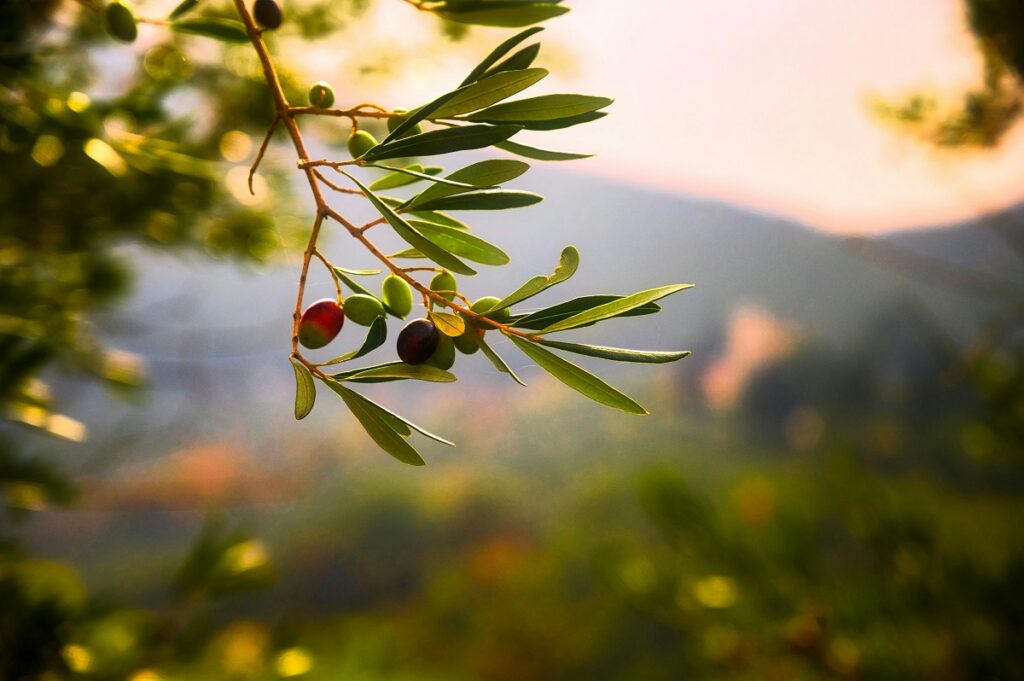
Have you ever dreamed of harvesting fresh olives from your own grove or producing artisan olive oil? Growing olive trees might be easier than you think. These majestic, drought-tolerant trees can live for centuries, providing delicious fruit, valuable oil, and timeless beauty to your landscape.
Whether you’re a homesteader looking to add a few trees to your property or an aspiring commercial grower considering olive cultivation as a business venture, this comprehensive guide will walk you through everything you need to know about growing olive trees successfully in the United States.
From selecting the right varieties for your climate to harvesting and processing your olives, you’ll discover the secrets to establishing a thriving olive grove that can provide harvests for generations to come.
Why Grow Olive Trees? Benefits and Opportunities
Olive trees (Olea europaea) have been cultivated for over 6,000 years around the Mediterranean, symbolizing peace, prosperity, and longevity. Today, they’re gaining popularity across the United States, particularly in California, Texas, Arizona, and other suitable climates.
Economic and Practical Benefits
Long-Term Investment:
- Trees can live 300-500+ years (some exceed 1,000 years)
- Begin producing in 3-5 years
- Full production by years 7-10
- Minimal inputs once established
Multiple Revenue Streams:
- Table olives: $2-5 per pound wholesale
- Premium olive oil: $25-60 per liter retail
- Value-added products: infused oils, tapenades, soaps
- Agritourism opportunities
Low Maintenance Requirements:
- Drought-tolerant once established
- Pest-resistant compared to many fruit trees
- Grows in poor soils unsuitable for other crops
- Minimal pruning needed
Growing Market Demand
U.S. Market Statistics:
- Americans consume 400+ million pounds of olives annually
- Olive oil consumption: 350+ million liters per year
- 98% of olive oil is imported (opportunity for domestic producers!)
- Premium domestic oils command 2-3x price of imports
California leads U.S. production:
- 35,000+ acres of olive groves
- Growing interest in Texas, Arizona, Georgia, Oregon
- Increasing consumer preference for locally-produced foods
Understanding Olive Tree Varieties
Choosing the right variety is crucial for success. Different cultivars excel at oil production, table olives, or both.
Oil Production Varieties
Arbequina (Spain)
- Size: Small, compact tree (10-12 feet)
- Oil characteristics: Mild, fruity, slightly sweet
- Productivity: Very high, early bearing (year 2-3)
- Best for: High-density planting, mild climates
- Cold hardiness: USDA Zones 8-11 (15-20°F minimum)
Koroneiki (Greece)
- Size: Medium tree (12-15 feet)
- Oil characteristics: Robust, peppery, high polyphenols
- Productivity: Extremely high
- Best for: Premium oil, hot climates
- Cold hardiness: Zones 8-10
Frantoio (Italy)
- Size: Large, vigorous tree (20-30 feet)
- Oil characteristics: Fruity, grassy, excellent quality
- Productivity: High and consistent
- Best for: Traditional orchards, dual-purpose
- Cold hardiness: Zones 7-10 (tolerates 12-15°F)
Leccino (Italy)
- Size: Large tree (20-25 feet)
- Oil characteristics: Delicate, sweet, mild
- Productivity: Very reliable
- Best for: Cold climates, good pollinator
- Cold hardiness: Zones 7-10 (one of the hardiest, to 10-12°F)
Picual (Spain)
- Size: Medium-large tree (15-20 feet)
- Oil characteristics: Robust, bitter, ideal for blending
- Productivity: Very high, stable
- Best for: Hot climates, disease-resistant
Table Olive Varieties
Manzanilla (Spain)
- Fruit: Medium, round (4-6g)
- Use: Green or black, versatile
- Flavor: Balanced, classic olive taste
- Best for: Spanish-style processing, stuffing
Sevillano (Spain)
- Fruit: Very large (8-12g)
- Use: Green table olives
- Flavor: Mild, meaty texture
- Best for: Stuffed olives, cocktails
Kalamata (Greece)
- Fruit: Large, almond-shaped, purple-black
- Use: Mature, brine-cured
- Flavor: Rich, fruity, wine-forward
- Best for: Gourmet markets, Mediterranean dishes
Mission (California)
- Fruit: Medium, black
- Use: Dual-purpose (oil and table)
- Flavor: Traditional California olive taste
- Best for: Heritage planting, adaptable
Dual-Purpose Varieties
Frantoio: Excellent oil, good table olive
Mission: California standard, versatile
Pendolino: Good oil, small table olive, excellent pollinator
Climate Requirements for Growing Olive Trees
Understanding olive trees’ climate needs prevents costly mistakes.
Temperature Requirements
Optimal Growing Conditions:
- Summer: 70-90°F (active growth)
- Winter: Requires 200-400 hours below 45°F (chilling requirement for flowering)
- Flowering: 65-72°F (critical period)
Temperature Tolerance:
- Cold minimum: 15-22°F depending on variety (mature trees)
- Young trees: More sensitive, damage at 20-25°F
- Heat maximum: Tolerates 100°F+ but production decreases above 95°F
Critical Considerations:
- Late spring frosts damage flowers (crop loss)
- Extended below 15°F kills branches or entire trees
- Insufficient winter chill results in poor flowering
Chilling Hours Requirement
Olives need winter cold to break dormancy and flower properly:
Standard varieties: 300-400 hours below 45°F
Low-chill varieties (Arbequina): 200-300 hours
U.S. Regions:
- California Central Valley: 800-1,200 hours (excellent)
- Texas Hill Country: 400-800 hours (suitable)
- Arizona: 200-400 hours (marginal, choose low-chill varieties)
- Coastal California: 200-400 hours (use Arbequina)
Rainfall and Irrigation
Annual Rainfall:
- Ideal: 15-30 inches, distributed in winter/spring
- Tolerates: As low as 8-10 inches with irrigation
Critical Periods (never let trees stress):
- Flowering (spring)
- Fruit set (late spring)
- Fruit development (summer)
Drought Tolerance:
- Excellent once established (roots reach 15-20 feet deep)
- Can survive on 8-12 inches annual rainfall
- Production increases significantly with supplemental irrigation
USDA Zone Recommendations
Zone 7b-8a: Cold-hardy varieties (Leccino, Frantoio, Maurino)
Zone 8b-9: Most varieties thrive
Zone 10-11: Excellent for all varieties, may need afternoon shade in hottest areas
Best U.S. Regions:
- California: Central Valley, coastal regions (premier growing area)
- Texas: Hill Country, West Texas
- Arizona: Southern regions with irrigation
- Georgia: Southern regions (emerging area)
- Oregon: Southern regions (experimental)
Soil Requirements and Site Selection
Soil Characteristics
Ideal Soil:
- Type: Well-draining loam, sandy loam, or rocky soil
- pH: 6.5-8.5 (slightly acidic to alkaline)
- Drainage: Excellent—standing water is fatal
- Depth: Minimum 3-4 feet (deeper is better)
Tolerated Soils:
- Poor, rocky soils
- Calcareous (limestone) soils
- Slopes and hillsides
- Low-fertility soils
Avoid:
- Heavy clay with poor drainage
- Waterlogged areas
- Saline soils (above 4,000 ppm salts)
- Areas with hardpan less than 3 feet deep
Site Selection
Sunlight: Full sun (8+ hours daily) required for fruiting
Slope: Gentle slopes ideal (aids drainage, air circulation)
Wind Protection:
- Moderate wind aids pollination
- Strong winds damage flowers and cause fruit drop
- Establish windbreaks 150-200 feet away if needed
Frost Pockets: Avoid low-lying areas where cold air settles
Planting Olive Trees: Step-by-Step Guide
When to Plant
Best Time: Early spring (after frost danger) or fall (mild climates)
Spring Planting (Zones 7-8):
- March-April
- Allows full season for establishment
- Preferred for cold climates
Fall Planting (Zones 9-11):
- October-November
- Trees establish during mild winter
- Ready for spring growth
Selecting and Sourcing Trees
Tree Age: 1-2 year-old trees establish best
Size: 2-4 feet tall ideal (3-5 gallon containers)
Quality Indicators:
- Healthy green foliage
- No visible disease or insect damage
- Good root development
- Certified disease-free stock
Sources:
- Reputable nurseries specializing in olives
- Cooperative Extension recommended suppliers
- Avoid box stores (often wrong varieties or unhealthy stock)
Planting Procedure
Step 1: Soil Preparation
- Test soil pH and drainage
- Dig test hole, fill with water
- Should drain within 4-6 hours (if not, improve drainage)
- Amend with compost if soil is poor
Step 2: Digging the Hole
- Dig hole 2-3 times wider than root ball
- Same depth as container (don’t plant too deep!)
- Roughen sides of hole (prevents root circling)
Step 3: Planting
- Remove tree from container carefully
- Loosen circling roots gently
- Place tree in hole—keep root crown at soil level
- Backfill with native soil (no amendments in hole)
- Create watering basin around tree
- Water thoroughly to settle soil
Step 4: Staking (if needed)
- Only stake in windy areas
- Use soft ties
- Remove after first year
Step 5: Mulching
- Apply 3-4 inches of organic mulch
- Keep 6 inches away from trunk
- Helps retain moisture, suppress weeds
Spacing and Planting Systems
Traditional Orchard (Low Density):
- Spacing: 20-25 feet × 20-25 feet
- Density: 70-110 trees per acre
- Best for: Small orchards, home growers
- Production start: Year 5-7
Intensive Orchard (Medium Density):
- Spacing: 15-18 feet × 18-20 feet
- Density: 120-200 trees per acre
- Best for: Commercial operations, balanced approach
- Production start: Year 4-5
Super-High-Density (Hedgerow):
- Spacing: 12-13 feet × 4-5 feet
- Density: 650-1,000 trees per acre
- Best for: Mechanical harvesting, maximum production
- Varieties: Arbequina, Arbosana, Koroneiki only
- Production start: Year 2-3
- Requires: Specialized equipment, intensive management
Irrigation Management
Establishment Phase (Years 1-2)
Frequency: 2-3 times weekly during growing season
Amount: 5-10 gallons per tree per irrigation
Goal: Deep root establishment
Mature Trees (Year 3+)
General Rule: 1-1.5 inches of water weekly during growing season
Monthly Needs by Season:
- Spring: 2-3 inches
- Summer: 4-6 inches
- Fall: 2-3 inches
- Winter: 0-1 inch (rainfall usually sufficient)
Critical Irrigation Periods
Never let trees stress during:
- Bud differentiation (late winter): Sets flower potential
- Flowering (spring): Affects fruit set
- Fruit development (summer): Determines fruit size and oil content
Irrigation Methods
Drip Irrigation (Recommended):
- 2-4 emitters per tree (2-4 GPH each)
- 90-95% efficiency
- Allows fertigation
- Cost: $1,500-2,500 per acre installed
Micro-Sprinklers:
- Useful in sandy soils
- Covers larger area
- 80-85% efficiency
Flood/Furrow:
- Traditional method
- Less efficient (50-60%)
- Suitable for level ground only
Critical: Never allow standing water—olives are extremely susceptible to root rot (Phytophthora).


Fertilization Program
Year 1
Goal: Establish healthy growth without excess
Spring (3 applications, 6 weeks apart):
- Nitrogen: 0.5-1 oz per tree
- Use balanced fertilizer (10-10-10)
Years 2-3
Spring/Summer (3-4 applications):
- Nitrogen: 2-4 oz per tree per application
- Potassium: 1-2 oz
- Phosphorus: 1-2 oz (annual application)
Mature Trees (Year 4+)
Annual Per-Tree Requirements:
- Nitrogen (N): 1-2 lbs (most important)
- Phosphorus (P₂O₅): 0.5-1 lb
- Potassium (K₂O): 1-2 lbs (critical for oil quality)
Application Schedule:
- Early spring: 40% of annual N
- Late spring: 30% of annual N
- Summer: 30% of annual N and all K
- Fall: Phosphorus
Micronutrients
Boron: Essential for flowering and fruit set
- Apply 0.5-1 oz per tree annually
- Foliar spray at bloom
Zinc, Iron: May be needed in alkaline soils
- Foliar applications as needed
- Chelated forms for soil application
Organic Fertilization Alternative
Compost: 50-100 lbs per tree annually
Well-aged manure: 75-125 lbs per tree
Benefits:
- Improves soil structure
- Increases organic matter
- Slow nutrient release
- Enhances microbial activity
Pruning Olive Trees
Training Young Trees (Years 1-3)
Goal: Establish 3-4 main scaffold branches
Method:
- At planting: cut back to 30-36 inches
- Year 1: Select 3-4 well-spaced shoots, remove others
- Years 2-3: Head back scaffolds by 1/3 to encourage branching
- Maintain open center or modified central leader
Timing: Late winter (February-March)
Production Pruning (Year 4+)
Goal: Maintain productive, accessible canopy with good light penetration
Remove:
- Dead, diseased, or broken branches
- Suckers from base
- Water sprouts (vigorous vertical growth)
- Crossing or rubbing branches
- Inward-growing branches
Keep:
- Horizontal and 45-degree angled branches (most productive)
- 2-3 year old wood (peak production)
Intensity:
- Light: Remove 10-15% of canopy
- Moderate: 20-30% (standard)
- Heavy: 40-50% (rejuvenation)
Timing: After harvest (late fall/winter) or late winter before growth
Renewal Pruning (Old/Neglected Trees)
For trees 50+ years or severely neglected:
- Reduce height to 8-12 feet over 2-3 years
- Remove 60-80% of canopy gradually
- Tree will regenerate and produce within 3-5 years
Tools:
- Hand pruners (branches under 3/4 inch)
- Loppers (3/4 to 1.5 inches)
- Pruning saw (larger branches)
- Always disinfect between cuts (70% alcohol or 10% bleach solution)
Pest and Disease Management
Major Pests
Olive Fruit Fly (Bactrocera oleae):
- Damage: Larvae tunnel in fruit, ruin table olives, degrade oil
- Control:
- Yellow sticky traps with attractant
- Spinosad bait sprays
- Kaolin clay (organic barrier)
- Early harvest
Black Scale (Saissetia oleae):
- Damage: Sucks sap, secretes honeydew (attracts sooty mold)
- Control:
- Horticultural oil sprays (1-2%)
- Encourage natural predators
- Systemic insecticides if severe
Olive Psyllid:
- Damage: Causes sooty mold, defoliation
- Control:
- Natural predators usually sufficient
- Dormant oil sprays
Major Diseases
Peacock Spot (Spilocaea oleaginea):
- Symptoms: Circular dark spots with yellow halo on leaves
- Control:
- Copper fungicides (fall application critical)
- Improve air circulation through pruning
- Remove fallen leaves
Verticillium Wilt (Verticillium dahliae):
- Symptoms: Branch dieback, wilting, brown leaves
- Control:
- No cure—fungus persists in soil for years
- Prevention: Don’t plant where tomatoes, peppers, eggplant grew
- Remove and destroy infected trees
- Soil solarization (cover with clear plastic for 2 months in summer)
Olive Knot (Pseudomonas savastanoi):
- Symptoms: Warty galls on branches and trunk
- Control:
- Prune out infected branches (cut 6 inches below galls)
- Disinfect pruning tools
- Copper spray after pruning or rain
- Avoid wounds (entry points for bacteria)
Root Rot (Phytophthora):
- Symptoms: General decline, dark rotted roots
- Control:
- Improve drainage (most important!)
- Avoid overwatering
- Phosphonate fungicides
- Raise beds in heavy soils
Harvesting Olives
Harvest Timing
For Green Table Olives:
- When fruit reaches full size but still green
- Firm flesh
- September-October in most regions
For Black Table Olives:
- When fully ripe (purple-black)
- Soft flesh
- October-November
For Premium Olive Oil:
- At “veraison” (color change from green to purple)
- 40-60% color change
- Maximum polyphenols and flavor
- October
For Maximum Oil Yield:
- Fully ripe (dark purple-black)
- 20-25% oil content
- Lower quality, higher quantity
- November
Harvest Methods
Hand Picking (Small Scale):
- Method: Strip by hand or use hand rakes
- Advantages: Selective, doesn’t damage trees
- Disadvantages: Labor-intensive (60-110 lbs/person/day), expensive
- Cost: $0.30-0.50 per lb
Mechanical (Trunk Shaker):
- Method: Machine shakes trunk, olives fall onto nets
- Advantages: Fast (1-2 acres/day), harvests 90-95% of fruit
- Disadvantages: Expensive equipment ($15,000-50,000), can damage young trees
- Best for: Traditional spacing orchards
Over-the-Row Harvester:
- Method: Machine straddles hedgerow, vibrating rods remove fruit
- Advantages: Very fast (4-8 acres/day), lowest cost per lb
- Disadvantages: Extremely expensive ($250,000-400,000), requires specific planting system
- Best for: Super-high-density only
Post-Harvest Handling
Critical Rules:
- Process within 24 hours (oxidation degrades quality rapidly)
- Keep cool (50-60°F ideal)
- Avoid sunlight and heat
- Remove leaves and stems
- Don’t store in plastic bags (fermentation occurs)
From Fruit to Oil: Processing Basics
Small-Scale Olive Oil Production
Step 1: Washing
- Remove leaves, stems, debris
- Rinse thoroughly
Step 2: Milling
- Crush entire fruit (including pit) into paste
- Hammer mill or stone mill
Step 3: Malaxation
- Mix paste 30-60 minutes at 77-82°F
- Allows oil droplets to coalesce
Step 4: Extraction
- Traditional: Hydraulic press separates liquid (oil + water)
- Modern: Centrifuge separates oil, water, solids
Step 5: Separation
- Centrifuge: Separates oil from water immediately
- Decantation: Allow to settle 24-48 hours
Step 6: Filtering (Optional)
- Removes particles
- Produces clear oil
- Unfiltered has more flavor but shorter shelf life
Step 7: Storage
- Stainless steel or dark glass bottles
- Cool (60-70°F), dark location
- Consume within 18-24 months
Oil Yield:
- Green olives: 8-12%
- Ripe olives: 18-25%
- Example: 100 lbs ripe olives = 2-2.5 gallons oil
Curing Table Olives
Raw olives are extremely bitter (oleuropein compound). They must be cured:
Brine Curing (Most Common):
- Make 2-3 slits in each olive
- Soak in water, change 2x daily for 7-10 days
- Transfer to brine (1.5 cups salt per gallon water)
- Add aromatics (garlic, oregano, lemon, bay leaves)
- Ferment 30-60 days in cool place
- Ready to eat
Lye Curing (Fast, Commercial Method):
- Uses food-grade lye solution
- Requires safety equipment
- Ready in 7-10 days
Dry Salt Curing (Greek Style):
- Cover ripe olives with coarse salt
- Cure 30-40 days, stirring every few days
- Olives shrivel and darken
- Rinse and marinate in oil
Economic Considerations
Establishment Costs (Per Acre, Traditional Spacing)
Trees (100 trees @ $15-25): $1,500-2,500
Site preparation: $500-800
Drip irrigation system: $1,500-2,500
Staking/support: $300-500
Tools and supplies: $200-400
Total Initial: $4,000-6,700 per acre
Annual Operating Costs
Irrigation (water/power): $300-500
Fertilization: $200-400
Pruning/maintenance: $300-600
Pest/disease control: $200-400
Harvest (mature trees): $800-1,500
Total Annual: $1,800-3,400 per acre
Production and Revenue
Traditional Spacing (100 trees/acre):
- Year 3-4: 1-2 tons/acre
- Year 5-7: 3-5 tons/acre
- Year 8+: 5-8 tons/acre (mature production)
Revenue Scenarios:
Table Olives:
- Yield: 5 tons/acre
- Price: $2.50/lb wholesale
- Gross Revenue: $25,000/acre
Olive Oil:
- Yield: 5 tons olives = 200-250 gallons oil
- Price: $30-50/gallon wholesale
- Gross Revenue: $6,000-12,500/acre
Premium Artisan Oil:
- Same yield
- Price: $50-80/gallon retail
- Gross Revenue: $10,000-20,000/acre
Net Profit (Mature Grove): $5,000-15,000/acre annually
Break-even: Typically year 5-7
ROI: 20-40% annually once established
U.S. Olive Growing Regions
California (95% of U.S. production):
- Central Valley, Sierra Foothills, Central Coast
- Ideal climate, established infrastructure
- 40,000+ acres in production
Texas:
- Hill Country (emerging region)
- 500+ acres
- Growing interest, suitable climate
Arizona:
- Southern regions with irrigation
- 200+ acres
- Hot climate requires careful variety selection
Georgia:
- Southern regions (experimental)
- Small but growing production
Oregon:
- Southern regions (Rogue Valley)
- Small-scale, artisan production
Quick Reference Guide
| Factor | Requirement |
|---|---|
| USDA Zones | 8-11 (some varieties to Zone 7) |
| Chilling Hours | 200-400 hours below 45°F |
| Sunlight | Full sun, 8+ hours daily |
| Soil pH | 6.5-8.5 |
| Drainage | Excellent (critical) |
| Spacing | 15-25 feet (traditional) |
| First Harvest | Year 3-5 |
| Full Production | Year 7-10 |
| Water Needs | 30-50 inches annually |
| Lifespan | 300-500+ years |
Conclusion: Start Your Olive Growing Journey
Growing olive trees offers a unique opportunity to cultivate a crop with ancient heritage and modern profitability. Whether you’re planting a few trees in your backyard or establishing a commercial grove, the rewards extend far beyond economics—there’s something deeply satisfying about nurturing trees that will outlive you and continue producing for generations.
Key Success Factors
✅ Choose varieties suited to your climate zone
✅ Ensure excellent soil drainage (most important factor)
✅ Provide adequate chilling hours for flowering
✅ Irrigate consistently during critical periods
✅ Be patient—trees take 3-5 years to produce
✅ Plan for harvest and processing before trees fruit
✅ Consider starting small and expanding as you learn
Your Action Plan
- Assess your climate (USDA zone, chilling hours, frost risk)
- Test your soil (drainage, pH, depth)
- Select appropriate varieties for your goals and climate
- Plan your planting system (spacing, tree count)
- Install irrigation before planting
- Purchase quality trees from reputable nurseries
- Plant at optimal time (spring in cold climates, fall in mild)
- Commit to proper care especially first 2-3 years
Remember: Olive trees are remarkably resilient once established, but they require patience. Your investment today—in proper site selection, quality trees, and consistent care—will reward you with decades or even centuries of production. The best time to plant an olive tree was 20 years ago. The second-best time is today!
Ready to start your olive grove? Begin planning now, and in just a few years, you could be harvesting your own olives and producing exceptional, homegrown olive oil!
You may also like: How to Propagate Fruit Trees: Complete Step-by-Step Guide for Home Growers