
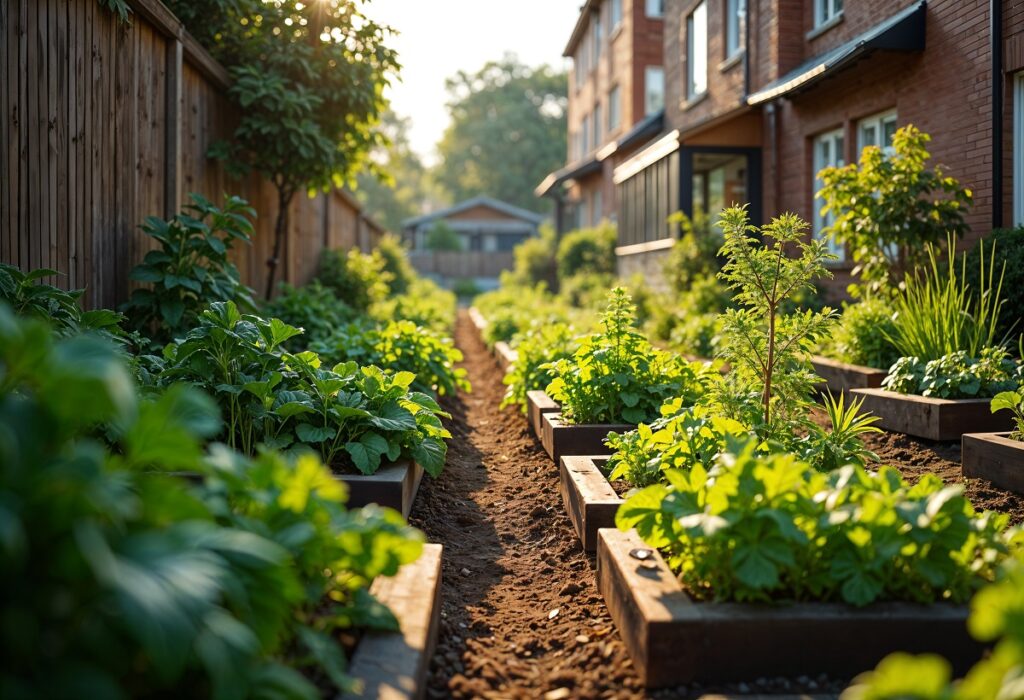
Home and commercial vegetable gardening continues to grow in popularity across the United States, driven by interest in fresh, healthy food, food security, sustainability, and the simple pleasure of growing one’s own produce. This comprehensive guide provides essential information about vegetable cultivation, from planning your garden through harvest, including optimal planting times for different regions and proven management techniques.
Garden Planning
Site Selection
Choosing the right location is fundamental to garden success. Consider these factors:
Sunlight: Most vegetables need at least 6-8 hours of direct sunlight daily. Fruiting vegetables (tomatoes, peppers, squash) require full sun. Leafy greens tolerate partial shade, especially in hot climates.
Water Access: Proximity to a water source facilitates daily irrigation, essential for most vegetables. Shallow-rooted vegetables require consistent moisture.
Drainage: Avoid areas where water pools after rain. Excess moisture promotes disease and root rot. Raised beds solve many drainage problems.
Soil Quality: Deep, fertile, well-drained loam is ideal, but most soils can be improved. Avoid areas with heavy tree root competition or contaminated soil (near old painted structures with lead paint).
Wind Protection: Strong winds damage plants and increase water loss. Fencing, hedges, or structures can provide protection without creating excessive shade.
Convenience: Gardens near the house get more attention. You’re more likely to harvest, water, and monitor a garden you pass daily.
Space: Start small (100-200 sq ft) and expand as experience grows. Intensive techniques maximize production in limited space.



Garden Types
In-Ground Beds: Traditional approach with permanent or rotated beds. Create raised beds 6-12 inches above ground level for improved drainage. Dimensions: 3-4 feet wide (reachable from both sides without stepping in bed) by any length. Paths 18-24 inches wide between beds.
Raised Bed Gardens: Built structures 12-24 inches tall filled with quality soil mix. Excellent for poor native soil, drainage issues, or physical accessibility. Materials: untreated lumber, composite materials, concrete blocks, or galvanized metal. Avoid treated lumber near edibles.
Container Gardens: Ideal for patios, balconies, small spaces. Use containers 12+ inches deep for most vegetables, 18-24 inches for tomatoes, peppers. Ensure drainage holes. Containers dry quickly – daily watering often necessary.
Square Foot Gardening: Intensive method dividing beds into 1-foot squares, each planted with appropriate number of plants based on size. Maximizes production in minimal space.
Vertical Gardening: Use trellises, cages, stakes to grow vining crops upward. Saves space, improves air circulation, facilitates harvest. Good for beans, peas, cucumbers, tomatoes, squash.
Straw Bale Gardening: Plant directly into conditioned straw bales. Good for poor soil areas, temporary gardens. Bales decompose into compost.
Soil Preparation
Soil Testing: Test every 2-3 years or before establishing new gardens. Home test kits provide basic information; Extension service lab testing gives detailed analysis. Aim for pH 6.0-7.0 for most vegetables (6.0-6.5 ideal).
Amendments:
- Compost: 2-4 inches worked into top 6-8 inches. Improves structure, drainage, nutrient retention
- Lime: Raises pH in acidic soils (apply fall or winter before spring planting)
- Sulfur: Lowers pH in alkaline soils (apply several months before planting)
- Aged manure: Add nutrients and organic matter (fresh manure must be composted first)
- Peat moss/coir: Improve moisture retention in sandy soils
Bed Preparation: Remove existing vegetation. Loosen soil 8-12 inches deep with spade or tiller. Remove rocks, roots, debris. Incorporate amendments. Rake smooth and level. Allow to settle 1-2 weeks before planting.
Planting Calendar by Region
The United States spans USDA Hardiness Zones 1-13 and multiple climate types. Planting schedules vary significantly by region.
Northeast (Zones 4-6)
Spring (After Last Frost: Mid-April to Late May): Cool-season crops as soon as soil workable (4-6 weeks before last frost):
- Peas, lettuce, spinach, radishes, carrots, onion sets, kale
After danger of frost (after last frost date):
- Tomatoes, peppers, eggplant, cucumbers, squash, beans, corn
Summer (June-July): Succession plantings of beans, carrots, lettuce Fall crop plantings: broccoli, cabbage, cauliflower (started in June for fall harvest)
Fall (August-September): Late lettuce, spinach, radishes, turnips for fall harvest Garlic planting (October)
Mid-Atlantic (Zones 6-7)
Spring (Last Frost: Mid-April to Early May): Early spring (March):
- Peas, lettuce, spinach, radishes, carrots, onions, kale, broccoli plants
After frost (late April-May):
- Tomatoes, peppers, eggplant, cucumbers, squash, beans, corn, melons
Summer (June-August): Succession plantings of beans, squash, cucumbers Sweet potato slips (June)
Fall (August-September): Lettuce, spinach, kale, turnips, radishes, Asian greens for fall harvest Fall broccoli, cabbage, cauliflower
Winter (October-November): Garlic planting
Southeast (Zones 7-9)
Spring (Last Frost: Late March to Early April): Early spring (February-March):
- Lettuce, spinach, radishes, carrots, onions, peas, broccoli, cabbage
After frost (April):
- Tomatoes, peppers, eggplant, squash, cucumbers, beans, okra, sweet potatoes
Summer (May-August): Southern peas (cowpeas, black-eyed peas), okra, sweet potatoes, heat-tolerant varieties
Fall (August-October): Major planting season for cool-season crops:
- Lettuce, spinach, kale, collards, turnips, radishes, carrots, broccoli, cabbage, cauliflower
Winter (November-January): Zones 8-9: Continue growing lettuce, spinach, kale, collards, Asian greens Cold frames extend season in Zone 7
Midwest (Zones 4-6)
Spring (Last Frost: Late April to Mid-May): Early (late March-April):
- Peas, lettuce, spinach, radishes, onion sets, potatoes
After frost (mid-May):
- Tomatoes, peppers, eggplant, cucumbers, squash, melons, beans, corn
Summer (June-July): Succession plantings of beans, cucumbers, summer squash Start fall crops in July
Fall (August-September): Lettuce, spinach, radishes, turnips, kale for fall harvest
Mountain West (Zones 3-6)
Spring (Last Frost: May to Early June): Cool-season crops in May:
- Lettuce, spinach, peas, radishes, carrots, onions, potatoes, broccoli
Warm-season crops after frost (June):
- Tomatoes, peppers, squash, cucumbers, beans
Summer (June-July): Short growing season requires quick-maturing varieties Succession plantings where season permits
Fall (August): Limited fall season in most areas Short-season greens, radishes possible in warmer zones
Southwest (Zones 7-10)
Spring (Last Frost: February-April depending on elevation): Low desert (Zone 9-10):
- Fall-planted vegetables continue through spring
- Warm-season crops: February-March (before extreme heat)
Higher elevations (Zone 7-8):
- Cool-season: March-April
- Warm-season: May
Summer (May-August): Low desert: Too hot for most vegetables (except desert-adapted types) Higher elevations: Main growing season
Fall (September-November): Low desert: Major planting season for lettuce, broccoli, cauliflower, cabbage, carrots, beets, peas, spinach
Winter (December-February): Low desert: Continue harvesting cool-season crops Higher elevations: Generally too cold
Pacific Northwest (Zones 7-9)
Spring (Last Frost: April-May): Cool-season crops (March-April):
- Lettuce, peas, spinach, radishes, carrots, onions, broccoli, cabbage
Warm-season crops (May-June):
- Tomatoes, peppers, squash, cucumbers, beans, corn
Summer (June-August): Succession plantings Warm temperatures ideal for heat-loving crops
Fall (August-October): Major planting season for cool-season crops:
- Lettuce, spinach, kale, Asian greens, broccoli, cabbage, cauliflower, carrots
Winter (November-March): Overwintering crops: kale, collards, chard, leeks Cold frames and row covers extend season
California (Zones 8-10)
Variable by region: Coastal areas: Year-round growing with mild temperatures Central Valley: Hot summers, mild winters allow two distinct seasons Southern California: Similar to low desert Southwest
General timing: Cool-season: October-February (main season) Warm-season: March-September Many areas support year-round production with succession planting
Major Vegetables: Growing Guide
LEAFY GREENS
Lettuce (Lactuca sativa)
America’s most popular salad green, with varieties from crisp iceberg to delicate butterhead.
Climate: Prefers cool temperatures 60-70°F (15-21°C). Bolts (goes to seed) in heat above 80°F. Heat-tolerant varieties available.
Planting Times:
- Spring: 4-6 weeks before last frost
- Fall: 6-8 weeks before first frost
- Succession plant every 2 weeks for continuous harvest
Planting: Direct seed or transplant. Seeds need light to germinate – barely cover. Thin seedlings to proper spacing. Transplant at 4-5 true leaves (3-4 weeks from seeding).
Spacing:
- Leaf lettuce: 4-6 inches apart
- Head lettuce: 10-12 inches apart
- Rows 12-18 inches apart
Fertilization: Nitrogen-loving. Apply balanced fertilizer at planting. Side-dress with nitrogen source (compost tea, fish emulsion) 3 weeks after planting.
Irrigation: Consistent moisture essential. Drip irrigation or soaker hoses ideal. Water early morning to reduce disease.
Harvest: 50-80 days depending on type. Leaf lettuce: Harvest outer leaves continuously. Head lettuce: Cut at base when heads are firm. Best quality in cool morning hours.
Varieties:
- Romaine/Cos: Upright, heat-tolerant
- Butterhead (Bibb, Boston): Tender, loose heads
- Leaf (Red and Green): No head, harvest leaves
- Crisphead (Iceberg): Tight heads, requires cool weather
- Summer Crisp/Batavian: Heat-tolerant, crispy
Spinach (Spinacia oleracea)
Nutrient-dense leafy green, excellent for spring and fall.
Climate: Cool season crop, 50-70°F (10-21°C) optimal. Bolts quickly in warm weather and long days.
Planting Times:
- Spring: 4-6 weeks before last frost
- Fall: 6-8 weeks before first frost (often more successful than spring)
Planting: Direct seed 1/2 inch deep. Thin to 3-4 inches apart.
Spacing: Rows 12-18 inches apart.
Fertilization: Moderate nitrogen needs. Compost at planting usually sufficient.
Harvest: 40-50 days. Harvest outer leaves or whole plant when leaves reach desired size.
Varieties:
- Savoy: Crinkled dark leaves, cold-hardy
- Semi-savoy: Slightly crinkled, versatile
- Flat/Smooth: Easy to clean, good for baby spinach
Kale (Brassica oleracea var. acephala)
Extremely nutritious, cold-hardy green gaining popularity.
Climate: Cool season crop but more heat-tolerant than lettuce. Flavor improves after frost.
Planting Times:
- Spring: 4-6 weeks before last frost
- Fall: 8-10 weeks before first frost (prime season)
Planting: Direct seed or transplant. Seeds 1/4-1/2 inch deep.
Spacing: 12-18 inches apart in rows 18-24 inches apart.
Fertilization: Moderate nitrogen needs. Side-dress monthly.
Harvest: 55-70 days, but can harvest baby leaves earlier. Pick lower leaves, leaving growing point intact. Plants produce for months.
Varieties:
- Lacinato/Dinosaur: Dark blue-green, textured leaves
- Curly: Traditional ruffled leaves
- Red Russian: Purple-tinged, tender
Swiss Chard (Beta vulgaris var. cicla)
Heat-tolerant leafy green with colorful stems.
Climate: Wide temperature tolerance, 50-85°F (10-29°C). More heat-tolerant than spinach.
Planting Times:
- Spring: After last frost
- Summer: Succession plantings
- Fall: 6-8 weeks before first frost
Planting: Direct seed 1/2-1 inch deep. Each seed is actually a cluster – thin carefully.
Spacing: 6-12 inches apart in rows 18 inches apart.
Harvest: 50-60 days. Harvest outer leaves, keeping growing point.
Varieties:
- Bright Lights: Multi-colored stems
- Fordhook Giant: White stems, large leaves
- Ruby Red: Red stems and veins
Arugula/Rocket (Eruca sativa)
Peppery salad green with rapid growth.
Climate: Cool season, 45-65°F (7-18°C) optimal. Bolts quickly in heat.
Planting Times: Spring and fall. Succession plant every 2-3 weeks.
Planting: Direct seed 1/4 inch deep. Thin to 3-6 inches.
Spacing: Broadcast or rows 12 inches apart.
Harvest: 30-40 days. Cut-and-come-again or harvest entire plant. Best before flowering.
FRUITING VEGETABLES
Tomato (Solanum lycopersicum)
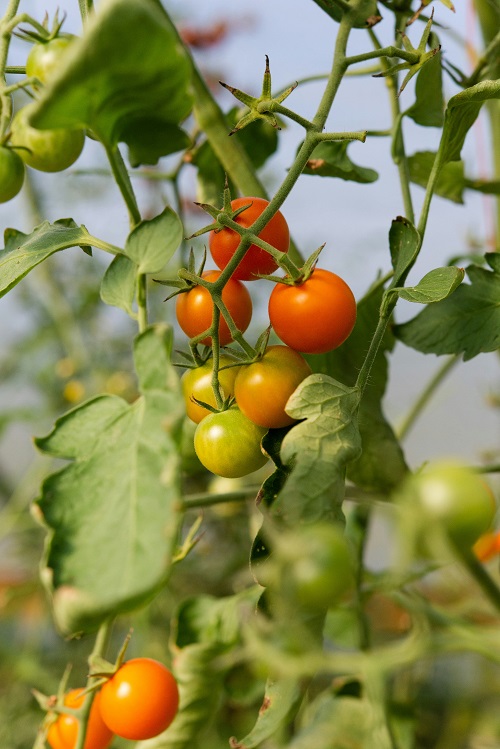
America’s favorite garden vegetable, with hundreds of varieties.
Climate: Warm season crop. Optimal 70-85°F (21-29°C) days, 60-70°F nights. Frost-sensitive. Fruit set problems above 95°F or below 55°F.
Planting Times:
- Transplant after all danger of frost, when soil reaches 60°F
- Start seeds indoors 6-8 weeks before last frost
- In warm climates (Zones 9-10), can also plant in late summer for fall crop
Planting: Transplant seedlings deep – bury stem up to first true leaves (roots form along buried stem). Harden off transplants before planting.
Spacing:
- Determinate: 24-36 inches apart
- Indeterminate: 36-48 inches apart
- Rows 4-5 feet apart
Support: Essential for most varieties. Options include:
- Cages: Good for determinate types
- Stakes: For indeterminate types trained to 1-2 main stems
- Trellis/Florida weave: For row plantings
Pruning: Indeterminate types benefit from removing suckers (shoots between main stem and branches). Determinate types require minimal pruning.
Fertilization: Heavy feeders. Mix compost into planting hole. Side-dress with balanced fertilizer when first fruit sets, then every 3-4 weeks. Calcium important for preventing blossom end rot.
Irrigation: Deep, consistent watering. 1-2 inches per week. Mulch to maintain even moisture. Irregular watering causes blossom end rot and fruit cracking.
Common Problems:
- Early blight: Fungal disease causing leaf spots
- Late blight: Can destroy plants quickly in cool, wet weather
- Blossom end rot: Calcium deficiency/irregular watering
- Hornworms: Large green caterpillars (hand-pick)
- Blossom drop: Temperature stress
Harvest: 65-90 days from transplant. Pick when fully colored but still firm. Vine-ripened have best flavor. Production continues until frost.
Types:
- Beefsteak: Large slicing tomatoes
- Cherry/Grape: Small, sweet, prolific
- Roma/Paste: Meaty, for sauce and canning
- Heirloom: Open-pollinated, unique flavors
- Hybrid: Disease-resistant, uniform
Growth Habit:
- Determinate: Bush-type, set fruit over short period
- Indeterminate: Vining, produce until frost
Pepper (Capsicum spp.)
Versatile vegetables ranging from sweet to extremely hot.
Climate: Warm season crop. Optimal 70-85°F (21-29°C). More heat-tolerant than tomatoes. Frost-sensitive.
Planting Times:
- Transplant 2-3 weeks after last frost when soil is warm (65°F+)
- Start seeds indoors 8-10 weeks before last frost
- Peppers are slower to germinate and grow than tomatoes
Planting: Transplant carefully – peppers don’t like root disturbance. Don’t bury as deep as tomatoes.
Spacing: 18-24 inches apart in rows 24-30 inches apart.
Support: Tall varieties or those with heavy fruit loads benefit from staking.
Fertilization: Moderate feeders. Avoid excessive nitrogen (promotes foliage over fruit). Phosphorus and potassium important for fruit production.
Irrigation: Consistent moisture. Avoid water stress during fruit development. Mulch helpful.
Harvest: 60-90 days from transplant. Sweet peppers can be harvested green or allowed to ripen to red, yellow, orange. Hot peppers generally picked when fully colored. Cut with shears to avoid breaking branches.
Types:
- Bell: Sweet, thick-walled
- Banana: Sweet to mildly hot, elongated
- Jalapeño: Medium heat, versatile
- Cayenne: Hot, thin-walled
- Habanero: Very hot
- Poblano/Ancho: Mild, for roasting
Cucumber (Cucumis sativus)
Fast-growing, heat-loving vine crop.
Climate: Warm season. Optimal 70-85°F (21-29°C). Frost-sensitive. Cold-sensitive even without frost.
Planting Times:
- Direct seed after last frost when soil reaches 70°F
- Or transplant carefully (cucumbers don’t like transplanting)
- Succession plant every 3 weeks for continuous harvest
Planting: Direct seed 1 inch deep, 3-4 seeds per hill. Thin to strongest 2 plants.
Spacing:
- Vining types: Hills 3-4 feet apart or 12 inches in rows 5-6 feet apart
- Bush types: 24-36 inches apart in rows 3-4 feet apart
Trellis: Vining types produce better fruit and save space when trellised. Also reduces disease by improving air circulation.
Fertilization: Heavy feeders. Side-dress every 3-4 weeks.
Irrigation: Consistent moisture critical. 1-2 inches per week. Mulch to maintain moisture.
Pollination: Require bee pollination. Separate male and female flowers on same plant. Poor pollination causes misshapen fruit.
Harvest: 50-70 days. Pick frequently to encourage continued production. Slicing types: 6-8 inches. Pickling types: 3-5 inches.
Types:
- Slicing: Fresh eating, 6-9 inches
- Pickling: Smaller, 3-5 inches
- Burpless: Thin-skinned, less bitter
- Specialty: Lemon cucumbers, Armenian, etc.
Summer Squash/Zucchini (Cucurbita pepo)
Prolific, easy-to-grow warm season crop.
Climate: Warm season. Optimal 70-85°F (21-29°C). Frost-sensitive.
Planting Times: Direct seed after last frost when soil reaches 70°F. Succession plant every 3-4 weeks.
Planting: Seed 1 inch deep, 3-4 seeds per hill. Thin to 2 plants.
Spacing:
- Bush types: 24-36 inches apart
- Vining types: 4-6 feet apart
Fertilization: Heavy feeders. Side-dress every 3-4 weeks.
Irrigation: 1-2 inches per week. Avoid overhead watering (promotes powdery mildew).
Harvest: 45-60 days. Harvest young and tender (6-8 inches for zucchini). Daily harvest encourages production. Over-mature fruit is seedy and less flavorful.
Types:
- Zucchini: Green or yellow, cylindrical
- Yellow crookneck/straightneck: Yellow, curved or straight
- Pattypan: Flattened, scalloped edges
Winter Squash/Pumpkin (Cucurbita spp.)
Long-season crops that store well.
Climate: Warm season. Optimal 70-85°F (21-29°C). Require long frost-free period.
Planting Times: Direct seed after last frost. Need 80-120 days depending on variety.
Planting: Seed 1 inch deep, 3-4 seeds per hill. Thin to best 2 plants.
Spacing: Hills 6-8 feet apart (very vigorous vines).
Management: Can train vines in desired direction. Remove damaged fruit. Can reduce fruit number for larger individual fruits.
Harvest: When skin is hard (thumbnail can’t puncture), stem is dry, and ground spot (where fruit rests) is deep yellow/orange. Cut with portion of stem attached. Cure in warm, dry location 10 days before storage.
Storage: Most types store 2-6 months in cool (50-60°F), dry location.
Types:
- Butternut: Tan, sweet flesh
- Acorn: Dark green, individual serving size
- Spaghetti: Yellow, stringy flesh
- Pumpkins: Pie types vs. carving types
- Hubbard: Large, excellent storage
ROOT VEGETABLES
Carrot (Daucus carota)
Popular root vegetable, relatively easy to grow.
Climate: Cool season crop. Optimal 60-70°F (15-21°C). Tolerates light frost. Heat causes poor color and strong flavor.
Planting Times:
- Spring: 2-4 weeks before last frost
- Fall: 10-12 weeks before first frost (often sweeter)
- Succession plant every 3 weeks
Planting: Direct seed only (doesn’t transplant). Seeds tiny – mix with sand for distribution. Barely cover. Keep moist until germination (10-14 days). Thin to proper spacing.
Spacing: Thin to 2-3 inches apart in rows 12-18 inches apart.
Soil: Critical factor. Must be loose, deep, stone-free. Heavy or compacted soil causes forked or stunted roots. Raised beds ideal.
Fertilization: Low to moderate nitrogen (excess causes hairy roots, forking). Phosphorus and potassium important.
Irrigation: Consistent moisture for straight, crack-free roots.
Harvest: 60-80 days. Can harvest when desired size. Sweetest after light frost. Store in ground (mulch heavily) or in refrigerator.
Types:
- Nantes: Cylindrical, blunt tip, sweet
- Chantenay: Short, broad, good for heavy soils
- Imperator: Long, tapered (grocery store type)
- Ball/Round: Short, round, good for containers
Beet (Beta vulgaris)
Dual-purpose vegetable – edible roots and greens.
Climate: Cool season. Optimal 60-70°F (15-21°C). Tolerates light frost.
Planting Times: Spring: 4-6 weeks before last frost Fall: 6-8 weeks before first frost
Planting: Direct seed 1/2 inch deep. Each “seed” is actually fruit containing multiple seeds – thinning essential. Thin to 3-4 inches apart.
Spacing: Rows 12-18 inches apart.
Soil: Prefers pH 6.5-7.0. Add lime if acidic.
Fertilization: Moderate. Avoid excess nitrogen.
Harvest: 50-70 days. Harvest when 1-3 inches diameter for best tenderness. Greens can be harvested earlier for salads.
Varieties:
- Detroit Dark Red: Classic, deep red
- Golden: Yellow/orange, doesn’t stain
- Chioggia: Candy-striped interior
Radish (Raphanus sativus)
Fastest vegetable crop, excellent for beginners and children.
Climate: Cool season. Optimal 50-65°F (10-18°C). Hot weather causes strong flavor and pithy texture.
Planting Times: Spring and fall. Succession plant every 10 days for continuous harvest.
Planting: Direct seed 1/2 inch deep. Thin to 1-2 inches apart.
Spacing: Rows 6-12 inches apart.
Fertilization: Low needs.
Irrigation: Consistent moisture prevents splitting and strong flavor.
Harvest: 20-30 days. Pull when roots reach desired size. Don’t let over-mature (become pithy and hot).
Types:
- Round red: Classic, mild
- French Breakfast: Oblong, red with white tip
- Daikon: Long white, Asian type
- Watermelon: Large, green outside, pink inside
Potato (Solanum tuberosum)
Staple crop, productive and satisfying to grow.
Climate: Cool season. Optimal 60-70°F (15-21°C). Tubers form best when soil temperature is below 80°F. Frost damages plants.
Planting Times:
- Spring: 2-4 weeks before last frost (North)
- Late winter: February-March (South)
- Late summer: For fall crop in some regions
Planting: Use certified seed potatoes (disease-free). Cut large tubers into 2-ounce pieces with at least 2 eyes each. Let cut surfaces dry 1-2 days. Plant 4 inches deep.
Spacing: 10-12 inches apart in rows 30-36 inches apart.
Hilling: When plants are 6-8 inches tall, mound soil around stems (hilling). Repeat 2-3 times during growing season. Prevents greening of tubers and increases yield.
Fertilization: Moderate nitrogen at planting. Avoid excess nitrogen. Potassium important for tuber quality.
Irrigation: Consistent moisture, especially during tuber formation. Reduce watering 2 weeks before harvest.
Harvest: 70-120 days depending on variety and maturity desired. “New potatoes” (immature): 50-60 days. Full maturity: When tops die back naturally. Dig carefully to avoid damage.
Storage: Cure in dark, humid location (60-65°F) for 10-14 days. Then store in cool (40-50°F), dark, humid location. Light causes greening (toxic).
Types:
- Russet: High starch, baking
- Red: Waxy, boiling/salads
- Yukon Gold: All-purpose
- Fingerling: Small, gourmet varieties
BRASSICAS (COLE CROPS)
Broccoli (Brassica oleracea var. italica)
Nutritious cool-season crop requiring careful timing.
Climate: Cool season. Optimal 60-70°F (15-21°C). Heat causes premature flowering (bolting).
Planting Times:
- Spring: Start indoors 6-8 weeks before last frost, transplant 2-4 weeks before last frost
- Fall: Start indoors in midsummer, transplant 10-12 weeks before first frost (often more successful than spring)
Planting: Transplant at 4-6 week stage. Transplant shock can cause “buttoning” (tiny heads).
Spacing: 18-24 inches apart in rows 24-36 inches apart.
Fertilization: Heavy nitrogen feeder. Side-dress 3 weeks after transplanting.
Irrigation: Consistent moisture essential.
Harvest: 60-90 days from transplant. Cut main head when buds are tight, before flowers open. Leave plant – side shoots will produce smaller heads.
Varieties:
- Standard: Single large head plus side shoots
- Sprouting: Multiple small heads, extended harvest
Cauliflower (Brassica oleracea var. botrytis)
Similar to broccoli but more challenging to grow.
Climate: Cool season. Optimal 60-65°F (15-18°C). Very sensitive to temperature extremes.
Planting Times: Similar to broccoli. Fall crop often more successful.
Planting: Transplant carefully. Any check in growth can cause buttoning.
Spacing: 18-24 inches apart in rows 24-36 inches apart.
Blanching: When head begins to form, tie outer leaves over head to keep white. Self-blanching varieties available.
Harvest: 70-100 days from transplant. Cut when head is 6-8 inches, still tight and white.
Types:
- White: Traditional
- Purple/Green: Colorful alternatives
- Romanesco: Lime green, fractal pattern
Cabbage (Brassica oleracea var. capitata)
Hardy, productive cool-season crop.
Climate: Cool season. Optimal 60-70°F (15-21°C). More tolerant of temperature extremes than broccoli.
Planting Times:
- Spring: Transplant 2-4 weeks before last frost
- Fall: Transplant midsummer for fall harvest
Spacing: 12-18 inches apart (depending on variety) in rows 24-36 inches apart.
Fertilization: Heavy nitrogen feeder.
Irrigation: Consistent moisture prevents splitting. Reduce water as heads mature.
Harvest: 70-120 days. Cut when heads are firm and solid. Spring cabbage doesn’t store well; fall cabbage stores months in cool conditions.
Types:
- Green: Most common
- Red/Purple: Colorful, good for slaw
- Savoy: Crinkled leaves, tender
- Napa/Chinese: Oblong, mild
LEGUMES
Bean – Bush and Pole (Phaseolus vulgaris)
Easy, productive warm-season crop.
Climate: Warm season. Optimal 70-80°F (21-27°C). Frost-sensitive. Won’t germinate in cold soil.
Planting Times: After last frost when soil reaches 60°F. Succession plant every 2-3 weeks for continuous harvest.
Planting: Direct seed 1-1.5 inches deep. Inoculate with Rhizobium if first time growing legumes in that location.
Spacing:
- Bush beans: 3-4 inches apart in rows 18-24 inches apart
- Pole beans: 4-6 inches apart at base of poles/trellis
Support: Pole beans require sturdy support 6-8 feet tall. Tepee, trellis, or string systems.
Fertilization: Light. Legumes fix nitrogen. Phosphorus and potassium important.
Irrigation: Moderate, consistent. Avoid overhead watering during bloom (interferes with pollination).
Harvest: 50-70 days. Pick regularly to encourage production. Snap beans: When pods are firm but before seeds bulge. Shell beans: When seeds are plump but still tender.
Types:
- Green/Yellow (wax): Snap beans for fresh eating
- Romano: Flat Italian beans
- Lima: Shelled, require longer season
- Dry beans: Allowed to fully mature and dry
Pea (Pisum sativum)
Cool-season legume, one of earliest spring crops.
Climate: Cool season. Optimal 60-70°F (15-21°C). Doesn’t tolerate heat. Frost-tolerant.
Planting Times: Early spring: 4-6 weeks before last frost (as soon as soil workable). Fall: Some regions can plant late summer for fall crop.
Planting: Direct seed 1-2 inches deep, 2 inches apart. Inoculate if first time.
Spacing: Rows 18-24 inches apart.
Support: All but dwarf varieties need support. Brush, netting, or trellis 4-6 feet tall.
Harvest: 55-80 days. Snap/snow peas: When pods are full but peas still small. Shell peas: When pods are plump and round.
Types:
- Garden/English peas: Shelled, not eaten with pod
- Snap peas: Entire pod and pea eaten
- Snow peas: Flat pod, immature peas
ALLIUMS
Onion (Allium cepa)
Essential crop requiring attention to day length requirements.
Climate: Cool season for growth, warm season for bulbing.
Day Length Sensitivity: Critical concept – onions bulb based on day length:
- Short-day varieties: Require 10-12 hours daylight (Southern regions, plant fall/winter)
- Intermediate-day: Require 12-14 hours (Middle latitudes)
- Long-day varieties: Require 14-16 hours (Northern regions, plant spring)
Planting Times:
- North: Start from sets or transplants in early spring
- South: Plant short-day varieties in fall for spring harvest
Planting:
- Sets (small bulbs): Push into soil 1 inch deep, 4-6 inches apart
- Transplants: Plant 1 inch deep, 4-6 inches apart
- Seeds: Start indoors 10-12 weeks before transplanting
Fertilization: Heavy nitrogen feeder during growth. Reduce nitrogen as bulbing begins.
Irrigation: Consistent moisture during growth. Reduce as tops begin falling over.
Harvest: 100-175 days depending on type. When tops fall over and begin drying. Pull, cure in warm, dry, shaded location for 1-2 weeks.
Storage: Properly cured onions store 2-8 months depending on variety in cool, dry location.
Garlic (Allium sativum)
Planted in fall, harvested following summer.
Types:
- Hardneck: Produces scape (flower stalk), better in cold climates
- Softneck: Doesn’t produce scape, better storage, milder
Planting Times: Fall: 4-6 weeks before ground freezes (October-November in most regions).
Planting: Separate bulbs into cloves. Plant largest cloves 2 inches deep, 4-6 inches apart, pointed end up. Mulch heavily.
Fertilization: Moderate nitrogen in early spring.
Scapes: Hardneck types produce scapes in late spring. Cut and use in cooking – improves bulb size.
Harvest: Mid-summer when lower leaves brown (but upper leaves still green). Cure like onions.
HERBS
Basil (Ocimum basilicum)
Tender annual herb, warm season crop.
Climate: Frost-sensitive. Optimal 70-90°F (21-32°C).
Planting: Transplant after frost danger or direct seed when soil is warm.
Spacing: 10-12 inches apart.
Management: Pinch growing tips to encourage bushiness. Remove flower buds to prolong leaf production.
Harvest: Continuous. Cut stems above a leaf node.
Parsley (Petroselinum crispum)
Biennial herb grown as annual, slow to germinate.
Climate: Cool season biennial. Hardy to light frost.
Planting: Direct seed or transplant. Germination slow (2-3 weeks).
Spacing: 8-10 inches apart.
Harvest: Cut outer stems. Plants continue producing.
Types:
- Flat/Italian: More flavorful
- Curly: Decorative
Cilantro/Coriander (Coriandrum sativum)
Fast-bolting cool season herb.
Climate: Cool season. Bolts quickly in heat.
Planting: Direct seed early spring and fall. Succession plant every 2-3 weeks.
Spacing: 6 inches apart or broadcast.
Harvest: Cut leaves as needed. Allow some to flower and produce coriander seeds.
Management Techniques
Crop Rotation
Avoid planting same family in same location consecutive years:
Families:
- Solanaceae (Nightshades): Tomato, potato, pepper, eggplant
- Brassicaceae (Brassicas): Cabbage, broccoli, cauliflower, kale, radish
- Cucurbitaceae (Cucurbits): Cucumber, squash, melon, pumpkin
- Fabaceae (Legumes): Peas, beans
- Apiaceae (Carrots): Carrot, parsley, celery
Rotation benefits:
- Breaks disease and pest cycles
- Balances soil nutrient depletion
- Reduces weed pressure
Simple 4-year rotation:
- Legumes (add nitrogen)
- Brassicas (heavy feeders)
- Solanaceae (moderate feeders)
- Root crops (light feeders)
Companion Planting
Plant combinations that benefit each other:
Beneficial combinations:
- Tomatoes + Basil: Improved flavor, pest deterrence
- Corn + Beans + Squash: Three Sisters (nitrogen fixation, support, ground cover)
- Carrots + Onions: Pest confusion
- Lettuce + Radishes: Radishes mature quickly, marking rows
Avoid combinations:
- Beans + Onions: Growth inhibition
- Tomatoes + Brassicas: Competition
- Cucumbers + Aromatic herbs: Growth reduction
Mulching
Cover soil with organic or inorganic materials:
Organic mulches:
- Straw: Excellent for vegetables, inexpensive
- Grass clippings: Free, add nitrogen (use thin layers)
- Shredded leaves: Good nutrient source
- Compost: Adds nutrients while mulching
- Wood chips: Good for paths, slow to decompose
Inorganic mulches:
- Black plastic: Warms soil, prevents weeds, used commercially
- Landscape fabric: Permeable, long-lasting
Benefits:
- Conserves moisture (reduces irrigation 50%+)
- Suppresses weeds
- Moderates soil temperature
- Prevents soil splash on plants
- Adds organic matter (organic mulches)
Application: Apply 2-4 inches deep after soil warms. Keep away from plant stems.
Succession Planting
Stagger planting times for continuous harvest:
Methods:
- Plant same crop every 2-3 weeks (lettuce, beans, radishes)
- Plant different crops with staggered maturity dates
- Follow early crops with late-season plantings
Example succession:
- Early spring: Lettuce, peas, radishes
- Late spring: Beans, cucumbers, squash
- Midsummer: Plant fall broccoli, cabbage, kale
- Late summer: Plant fall lettuce, spinach, radishes
Intensive Gardening
Maximize production per square foot:
Techniques:
- Wide beds (3-4 feet) with permanent paths
- High planting density
- Succession planting
- Interplanting quick and slow crops
- Vertical growing
- Raised beds with quality soil
Square Foot Gardening spacing:
- Large plants (tomato, pepper, cabbage): 1 per square foot
- Medium (chard, broccoli): 4 per square foot
- Small (beets, spinach): 9 per square foot
- Tiny (carrots, radishes): 16 per square foot
Pest and Disease Management
Prevention:
- Healthy soil and plants
- Crop rotation
- Proper spacing for air circulation
- Remove diseased plants promptly
- Clean up garden debris
- Use resistant varieties
Organic controls:
- Hand-picking: Effective for large pests (tomato hornworms, squash bugs)
- Row covers: Exclude flying insects
- Companion planting: Confuse or repel pests
- Beneficial insects: Ladybugs, lacewings, parasitic wasps
- Bt (Bacillus thuringiensis): Organic caterpillar control
- Neem oil: Soft-bodied insects and some diseases
- Insecticidal soap: Aphids, mites, soft-bodied pests
Common problems:
- Aphids: Small sap-suckers, spray with water or soap
- Cabbage worms: Green caterpillars on brassicas, use Bt
- Squash bugs: Shield-shaped bugs, hand-pick
- Tomato hornworms: Large green caterpillars, hand-pick
- Powdery mildew: White coating on leaves, improve air circulation
- Damping off: Seedling disease, avoid overwatering
Irrigation
Methods:
- Soaker hoses: Porous hoses seep water along length
- Drip irrigation: Most efficient, delivers water directly to roots
- Sprinklers: Convenient but wets foliage (disease risk)
- Hand watering: Labor-intensive, good for small gardens
Guidelines:
- Water deeply and infrequently (encourages deep roots)
- 1 inch per week typical requirement
- Water early morning (reduces disease)
- Mulch to reduce water needs
- Sandy soil needs more frequent watering
- Clay soil needs less frequent but deeper watering
Season Extension
Techniques to plant earlier and harvest later:
Spring:
- Row covers: Floating fabric adds 2-4°F warmth
- Cloches: Individual plant covers
- Cold frames: Box with transparent top
- Low tunnels: Hoops with plastic cover
- Black plastic mulch: Warms soil
Fall/Winter:
- Row covers: Protect from light frost
- Cold frames: Extend harvest 4-8 weeks
- Hoop houses/High tunnels: Unheated greenhouses
- Mulching: Heavy mulch allows in-ground storage of root crops
Composting
Create nutrient-rich soil amendment from kitchen and garden waste:
Materials:
- Greens (nitrogen): Vegetable scraps, grass clippings, coffee grounds, manure
- Browns (carbon): Dry leaves, straw, shredded paper, cardboard
Ratio: 1 part green to 2-3 parts brown by volume
Methods:
- Bin composting: Contained pile
- Tumbler: Enclosed, rotating barrel
- Pile composting: Open heap
Process:
- Layer greens and browns
- Maintain moisture (like wrung-out sponge)
- Turn weekly for faster decomposition
- Ready in 2-3 months (hot composting) or 6-12 months (cold composting)
Avoid: Meat, dairy, oils, diseased plants, weeds with seeds
Harvesting and Storage
General guidelines:
- Harvest in cool morning hours when possible
- Handle carefully to avoid damage
- Many vegetables best used immediately
- Cool quickly after harvest
Storage conditions:
Cool and humid (32-40°F, 90-95% humidity):
- Leafy greens, broccoli, carrots, beets, radishes
- Refrigerator crisper drawer ideal
Cool and dry (50-60°F, 60-70% humidity):
- Onions, garlic, winter squash, pumpkins
- Well-ventilated storage
Warm and dry (55-60°F, 60-70% humidity):
- Tomatoes (don’t refrigerate – damages flavor)
Root cellar storage:
- Cool (32-40°F), humid (90-95%)
- Root vegetables, cabbage, apples
- Traditional method for winter storage
Preservation methods:
- Canning: High-acid vegetables (tomatoes, pickles)
- Freezing: Most vegetables after blanching
- Dehydrating: Tomatoes, peppers, herbs
- Fermentation: Cucumbers (pickles), cabbage (sauerkraut)
Organic Gardening
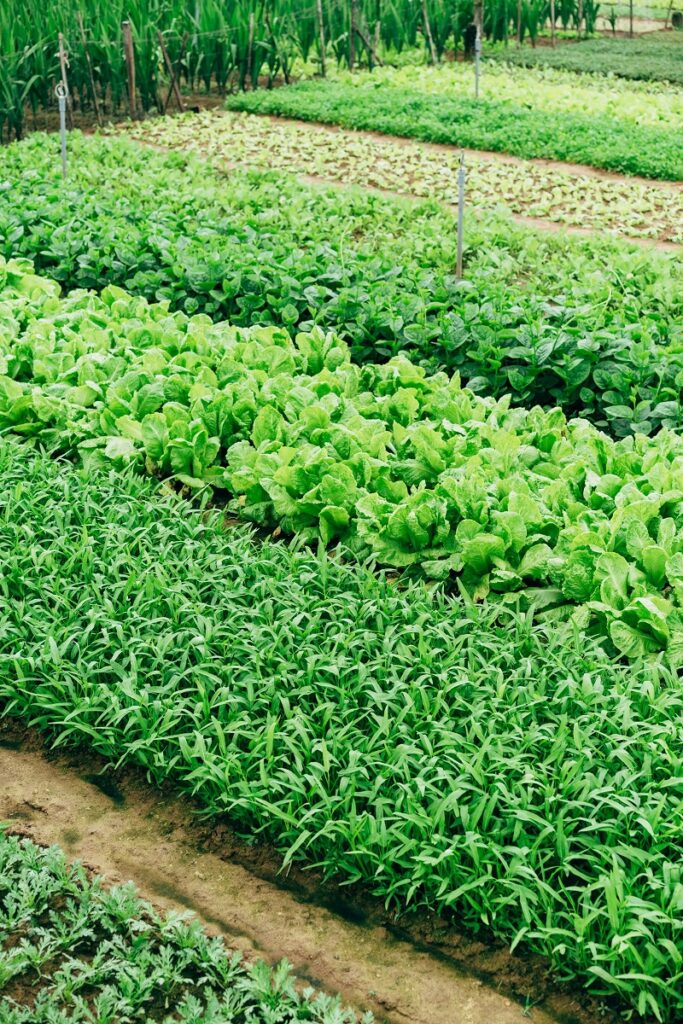
Principles:
- Build soil health through organic matter
- No synthetic pesticides or fertilizers
- Encourage beneficial organisms
- Work with natural systems
Soil building:
- Compost
- Cover crops/green manures
- Crop rotation
- Minimal tillage
Fertility:
- Compost
- Aged manure
- Rock powders (rock phosphate, greensand)
- Organic fertilizers (blood meal, bone meal, kelp)
Pest management:
- Prevention through healthy plants
- Physical barriers (row covers, copper tape for slugs)
- Biological controls
- Organic-approved sprays (neem, Bt, insecticidal soap)
Final Considerations
Vegetable gardening offers rewards beyond fresh produce – outdoor exercise, stress relief, connection to food sources, and the satisfaction of self-sufficiency. Success requires understanding your local climate, choosing appropriate varieties, timing plantings correctly, and providing consistent care.
Start small and expand as experience grows. Keep records of planting dates, varieties, successes, and problems. Join local garden clubs or Master Gardener programs for community knowledge and support. Take advantage of Cooperative Extension resources for research-based information specific to your region.
Climate and weather vary year to year – some seasons will be excellent while others challenging. Flexibility and willingness to experiment lead to steady improvement. Every growing season teaches lessons that inform future plantings.
Whether growing a few tomatoes in containers or cultivating a large vegetable plot, the fundamental principles remain constant: healthy soil, proper timing, adequate water, pest management, and patience. The investment of time and effort returns manifold in fresh, flavorful vegetables and the deep satisfaction of eating food you’ve grown yourself.
Happy gardening!
Learn more: How to Grow Onions: A Complete Guide