
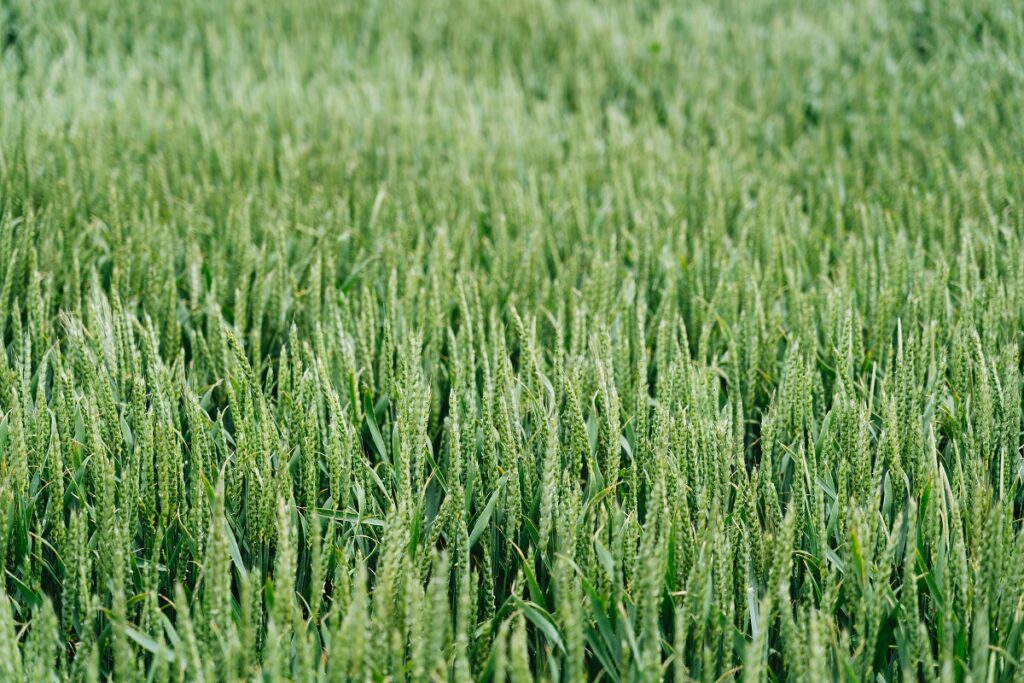
Oats are one of the most versatile and rewarding crops to grow, whether you are a home gardener looking for a nutritious grain, a homesteader seeking animal feed, or a farmer planting a “cover crop” to protect your soil.
However, timing is everything. Because oats thrive in specific temperature ranges, planting at the wrong time can lead to poor germination or heat-stressed plants that fail to produce grain.
Here is everything you need to know about when to plant oats based on your goals and climate.
1. Understanding the “Cool-Season” Nature of Oats
Oats (Avena sativa) are fundamentally cool-season annuals. Unlike corn or peppers, they don’t like sweltering heat. They perform best when they can germinate and grow while the soil is cool and the air is mild.
- Ideal Germination Temperature: $5°C$ to $12°C$ ($40°F$ to $55°F$).
- Heat Sensitivity: Once temperatures consistently exceed $27°C$ ($80°F$), oat development slows down, and grain quality may drop.
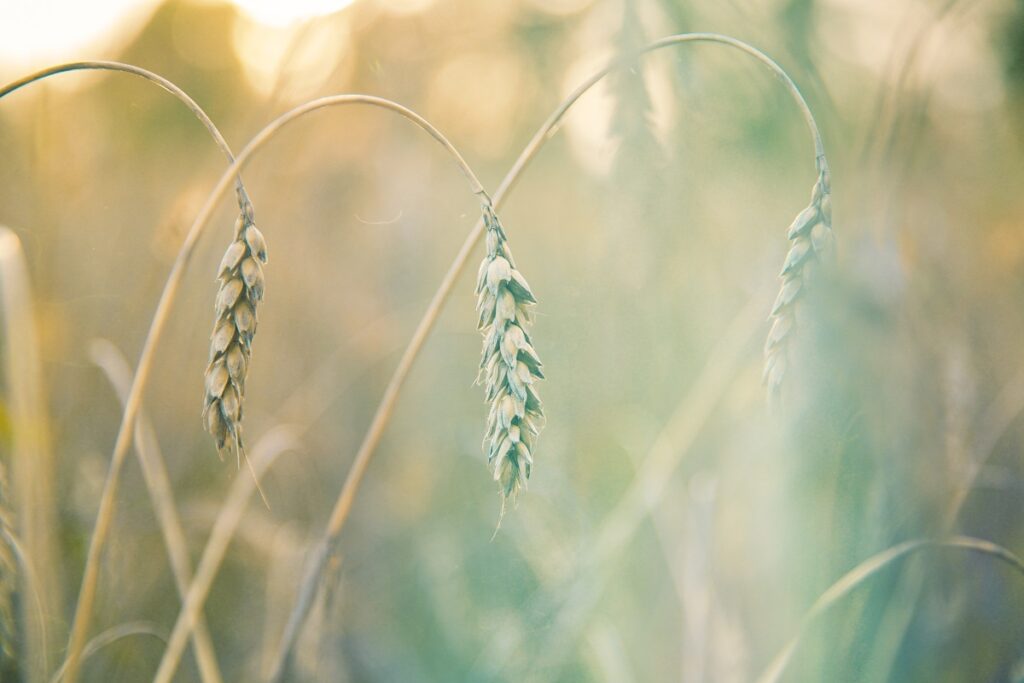
2. Spring Planting: For Grain Harvest
If your goal is to harvest oats for oatmeal or flour, early spring is the gold standard.
- The Rule of Thumb: Plant as soon as the ground can be worked in the spring.
- Window: Usually between late February and April, depending on your hardiness zone.
- Why? Spring-planted oats need to mature before the peak heat of mid-summer hits. If you plant too late in May, the “milk stage” of the grain will coincide with July heat, resulting in light, shriveled kernels.
3. Late Summer/Fall Planting: For Cover Crops or Forage
Many growers plant oats in the late summer. In this scenario, the goal isn’t usually a grain harvest, but rather soil health or animal grazing.
- Window: August to late September (roughly 6–8 weeks before the first hard frost).
- Benefits:
- Soil Protection: Oats grow fast, preventing erosion during autumn rains.
- Weed Suppression: They create a thick “mat” that outcompetes weeds.
- Winter Kill: In colder climates (Zone 7 and below), oats will naturally die off when temperatures hit about $-7°C$ ($20°F$). This leaves a perfect organic mulch for your spring vegetables without the need for tilling.
4. Winter Planting: Mild Climates Only
In regions with very mild winters (such as the Southern United States, Mediterranean climates, or parts of Australia), oats can be grown as a winter crop.
- Window: October to November.
- Process: The oats grow slowly through the mild winter and are harvested in late spring. This is only viable if your region rarely experiences deep, sustained freezes.


5. Summary Table: When to Plant
| Goal | Planting Window | Harvest/Outcome |
| Grain Production | Early Spring (as soon as soil thaws) | Mid-Summer (July/August) |
| Forage/Hay | Early Spring or Late Summer | Before the plant “bolts” (flowers) |
| Cover Crop | Late Summer (Aug/Sept) | Winter kills the crop for mulch |
| Winter Crop | Late Autumn (Mild climates only) | Late Spring |
Pro-Tip: Check Your Soil Moisture
Regardless of the date on the calendar, oats need moisture to start. If you are planting in late summer, try to time your sowing just before a predicted rain. For spring planting, ensure the soil isn’t so wet that it’s “mucky,” as this can rot the seeds before they sprout.
Note: If you are planting for grain, aim for a seeding depth of about 2.5 cm to 4 cm (1 to 1.5 inches) for the best results.
Timing Your Success
Mastering the timing of your oat crop is the single most important factor in determining your success. Whether you are aiming for a bountiful grain harvest in the heat of summer or looking to protect your soil with a hardy winter cover, understanding your local climate’s “cool-season” windows is key.
Oats are a forgiving and resilient crop, but they respect the calendar. By planting early enough in the spring to beat the sweltering heat, or late enough in the summer to catch the autumn rains, you ensure that your plants have the cool, moist conditions they crave.
Ultimately, adding oats to your rotation is an investment in both your pantry and your land. Start small, observe how they respond to your specific microclimate, and you’ll soon find that these humble grains are one of the most rewarding additions to any garden or farm. Happy planting!