
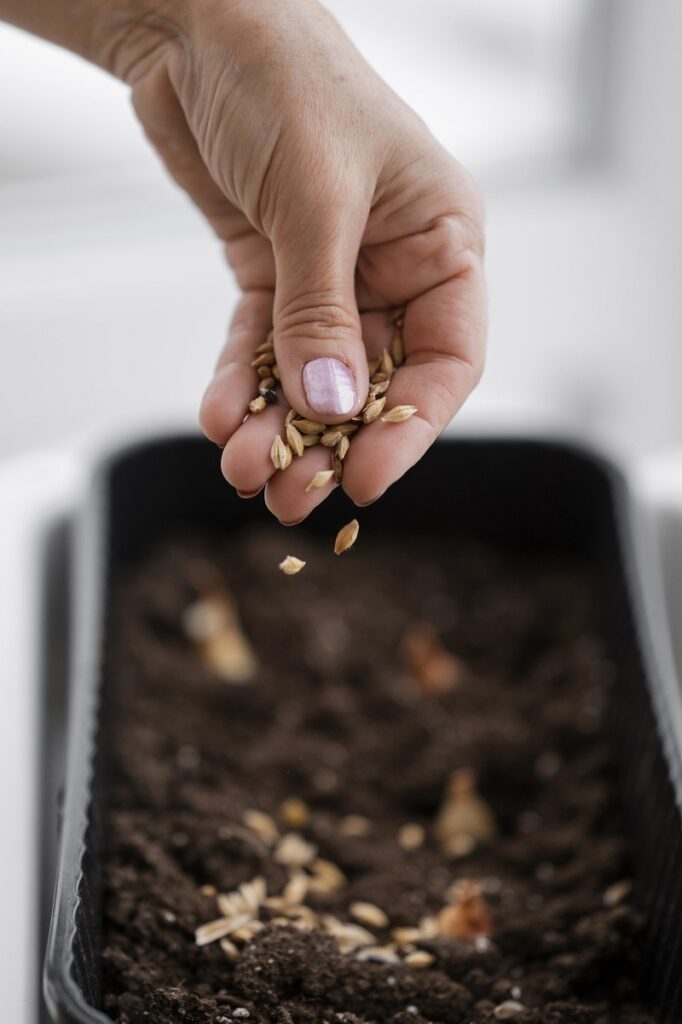
Starting a home garden can feel overwhelming, especially if you don’t know which vegetables to grow first.
The good news is that some vegetables are incredibly easy to grow, even if you have no gardening experience. Choosing the right plants can make all the difference between frustration and success.
In this guide, you’ll discover the easiest vegetables to grow at home, plus practical tips to help you get great results.
Why choose easy vegetables?
If you’re a beginner, starting with easy crops helps you:
- Build confidence
- Avoid common mistakes
- See faster results
- Stay motivated
The easier the plant, the higher your chances of success.


Top 10 easiest vegetables to grow at home
Here are the best beginner-friendly vegetables:
1. Lettuce
Lettuce is one of the fastest and easiest vegetables to grow.
- Grows in 30–45 days
- Doesn’t need deep soil
- Can grow in containers
Perfect for small spaces and beginners.
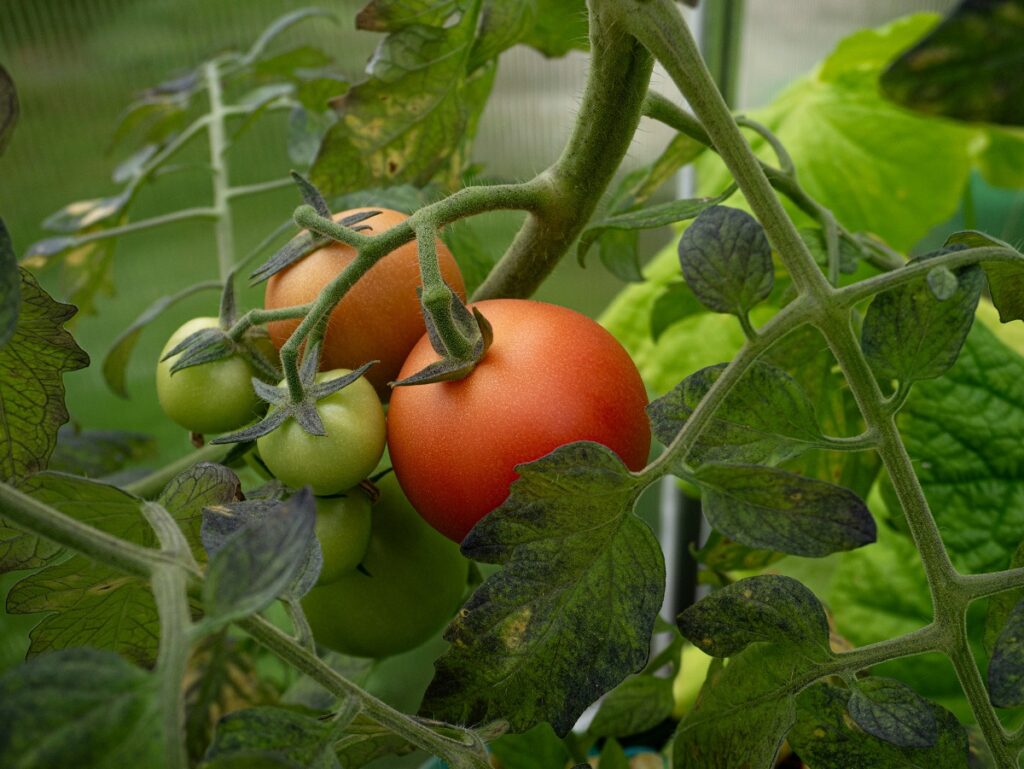
2. Tomatoes
Tomatoes are very popular and relatively easy to grow.
- Thrive in sunlight
- Grow well in pots
- Produce a lot of fruit
Tip: Cherry tomatoes are easier than larger varieties.
3. Carrots
Carrots are simple if planted in the right soil.
- Prefer loose, soft soil
- Require minimal maintenance
- Grow underground (fun for beginners)
4. Spinach
Spinach grows quickly and is very resilient.
- Tolerates cooler weather
- Fast-growing
- Low maintenance
5. Green onions
One of the easiest vegetables ever.
- Can regrow from scraps
- Needs very little space
- Grows quickly
6. Cucumbers
Cucumbers grow fast and produce a lot.
- Ideal for warm climates
- Can climb vertically (save space)
- Great for beginners
7. Potatoes
Potatoes are surprisingly easy to grow.
- Can grow in bags or containers
- Require little attention
- High yield
8. Peppers
Peppers are beginner-friendly and versatile.
- Grow well in pots
- Need sunlight and warmth
- Produce multiple harvests
9. Kale
Kale is very hardy and easy to maintain.
- Resistant to cold
- Long harvest period
- Nutrient-rich
10. Radishes
Radishes are one of the fastest vegetables to grow.
- Ready in 20–30 days
- Very low maintenance
- Great for quick results
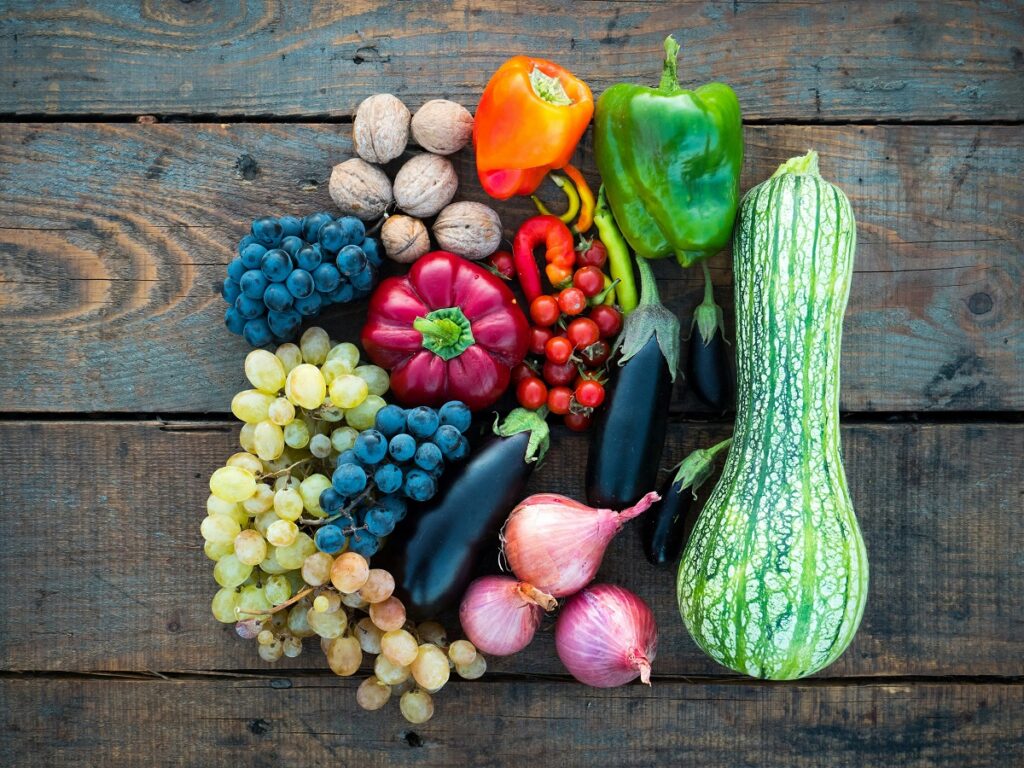
Can you grow vegetables in small spaces?
Yes! Many easy vegetables grow well in:
- Pots
- Containers
- Small balconies
- Raised beds
Lettuce, green onions, and tomatoes are perfect for small areas.
Tips to successfully grow vegetables at home
Follow these simple tips:
Give enough sunlight
Most vegetables need at least 6 hours of sunlight daily.
Water properly
Keep soil moist, but not soaked.
Start with good soil
Healthy soil leads to healthy plants.
Don’t overcomplicate
Start small and expand as you gain experience.
How long do easy vegetables take to grow?
Here’s a quick idea:
- Radishes: 20–30 days
- Lettuce: 30–45 days
- Spinach: 30–50 days
- Tomatoes: 60–90 days
Fast-growing crops help beginners stay motivated.
Common beginner mistakes
Avoid these mistakes:
- Overwatering plants
- Choosing difficult vegetables
- Ignoring sunlight needs
- Planting too much at once


What is the absolute easiest vegetable to grow?
If you want the easiest option, start with:
Radishes or lettuce
They grow fast and require very little effort.
Final thoughts
Growing vegetables at home doesn’t have to be complicated. By choosing easy plants and following simple care steps, anyone can build a successful garden.
Start with just a few vegetables, learn as you go, and enjoy the process. With time, you’ll gain confidence and expand your garden naturally.
The most important step is to start — even a small garden can make a big difference.
Learn more: Sustainable Farming with Biofertilizers: Natural Solutions to Boost Soil Fertility