
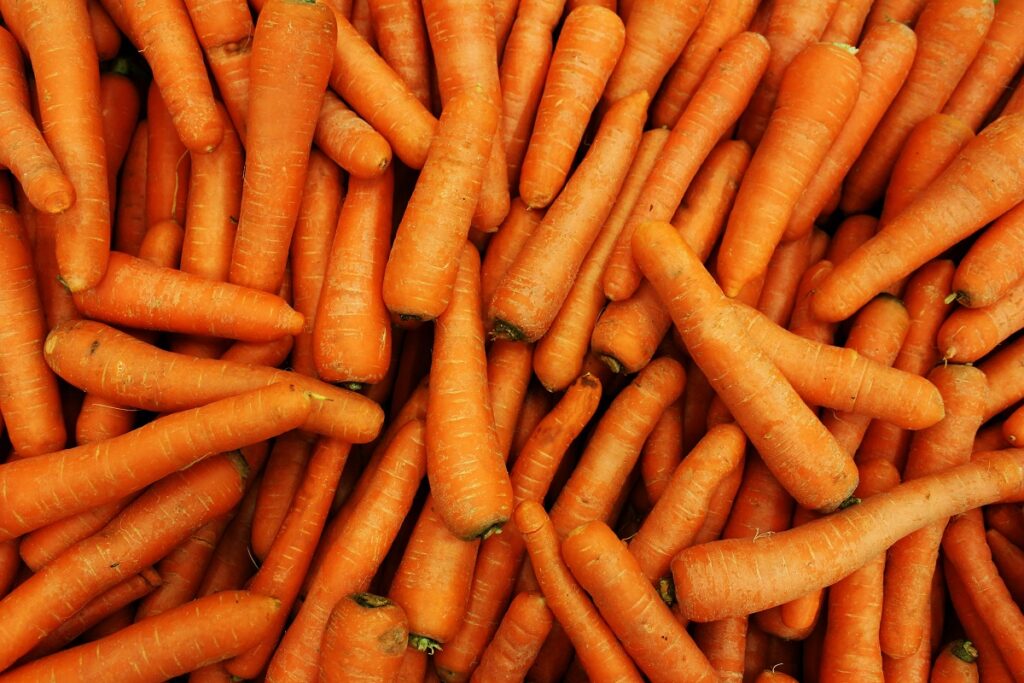
A practical step-by-step guide for growing sweet, crunchy carrots in any space
Carrots are one of the most rewarding vegetables to grow at home. They’re nutritious, versatile in the kitchen, and surprisingly easy to cultivate—even if you only have a small garden, raised bed, or a few containers.
However, growing perfect carrots isn’t just about planting seeds and waiting. Because they grow underground, they require the right soil conditions, spacing, and care to develop straight, healthy roots.
In this guide, you’ll learn exactly how to grow carrots at home—from choosing the right variety to harvesting crisp, flavorful roots.


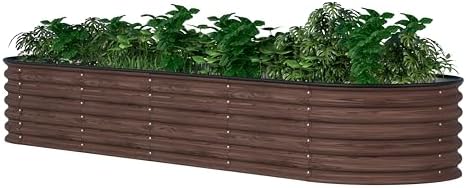
Why Grow Carrots at Home?
Homegrown carrots taste noticeably better than store-bought ones. They’re sweeter, fresher, and free from unnecessary chemicals.
Other benefits include:
- High in beta-carotene and antioxidants
- Easy to grow in small spaces
- Long storage life after harvest
- Suitable for beginner gardeners
Choosing the Right Carrot Variety
Not all carrots grow the same way. Choosing the right type depends on your soil depth and growing space.
Best varieties for home gardens:
- Nantes – Sweet, cylindrical, great for beginners
- Danvers – Tolerates heavier soil
- Chantenay – Short and thick, ideal for containers
- Imperator – Long roots, best for deep, loose soil
If you’re growing in pots, shorter varieties like Chantenay are your best option.
When to Plant Carrots
Carrots prefer cooler weather, making them ideal for spring and fall planting.
- Spring planting: 2–3 weeks before the last frost
- Fall planting: 10–12 weeks before the first frost
In warmer climates, carrots can also be grown during mild winters.
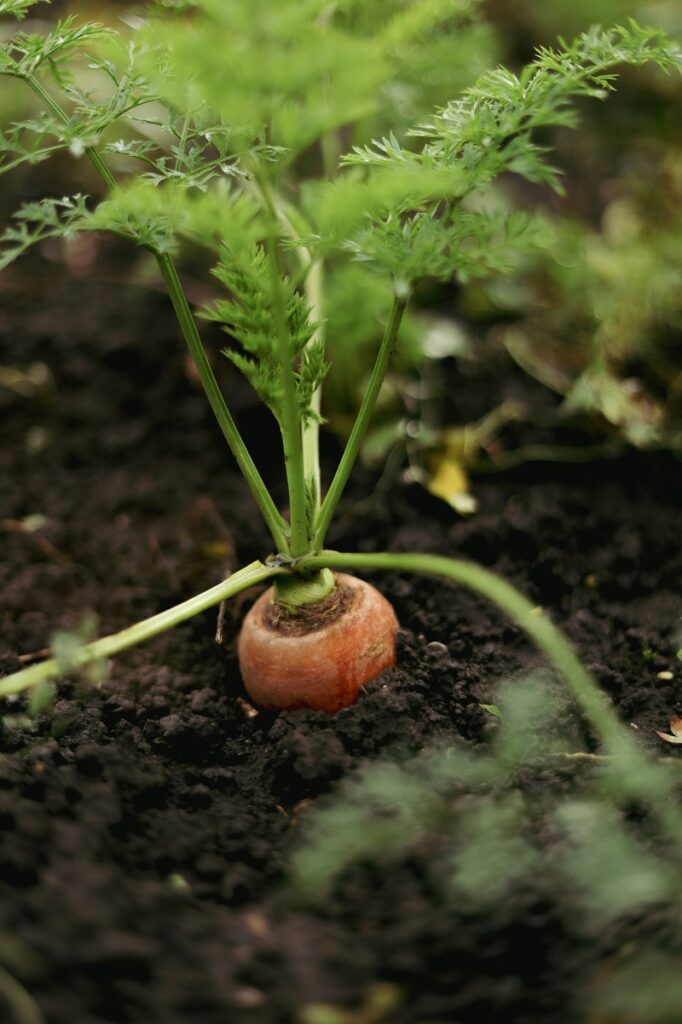
Preparing the Soil
Soil preparation is the most important step when growing carrots.
Carrots need:
- Loose, well-drained soil
- No rocks or clumps
- Depth of at least 20–30 cm (8–12 inches)
- pH between 6.0 and 6.8
Pro tip:
Avoid fresh manure or high-nitrogen fertilizers. These can cause carrots to fork or grow hairy roots.
Instead, mix in compost to improve soil structure.
How to Plant Carrot Seeds
Carrot seeds are small and require careful sowing.
Step-by-step:
- Make shallow rows about 0.5 cm deep
- Sprinkle seeds evenly
- Cover lightly with soil
- Water gently to avoid displacing seeds
Spacing:
- Rows: 20–30 cm apart
- Plants: Thin to 5–8 cm apart after sprouting
Watering and Care
Carrots need consistent moisture, especially during germination.
Watering tips:
- Keep soil evenly moist (not soggy)
- Water deeply once or twice a week
- Avoid letting soil dry out completely
Thinning seedlings:
Once seedlings reach a few centimeters tall, thin them out to prevent overcrowding. This ensures proper root development.
Growing Carrots in Containers
No garden? No problem.
Carrots grow well in containers if you follow a few rules:
- Use deep pots (at least 30 cm)
- Choose loose, sandy potting mix
- Ensure proper drainage
Short-root varieties work best in containers.
Common Problems and How to Avoid Them
Even though carrots are low-maintenance, a few issues can arise:
1. Forked or misshapen roots
Cause: Compact soil or obstacles
Solution: Loosen soil before planting
2. Poor germination
Cause: Dry soil or old seeds
Solution: Keep soil consistently moist
3. Small carrots
Cause: Overcrowding
Solution: Thin seedlings properly
4. Pests (like carrot flies)
Solution: Use row covers and rotate crops
How Long Do Carrots Take to Grow?
Most carrots are ready in:
- 60 to 80 days after planting
You can harvest earlier for baby carrots or wait longer for full-size roots.
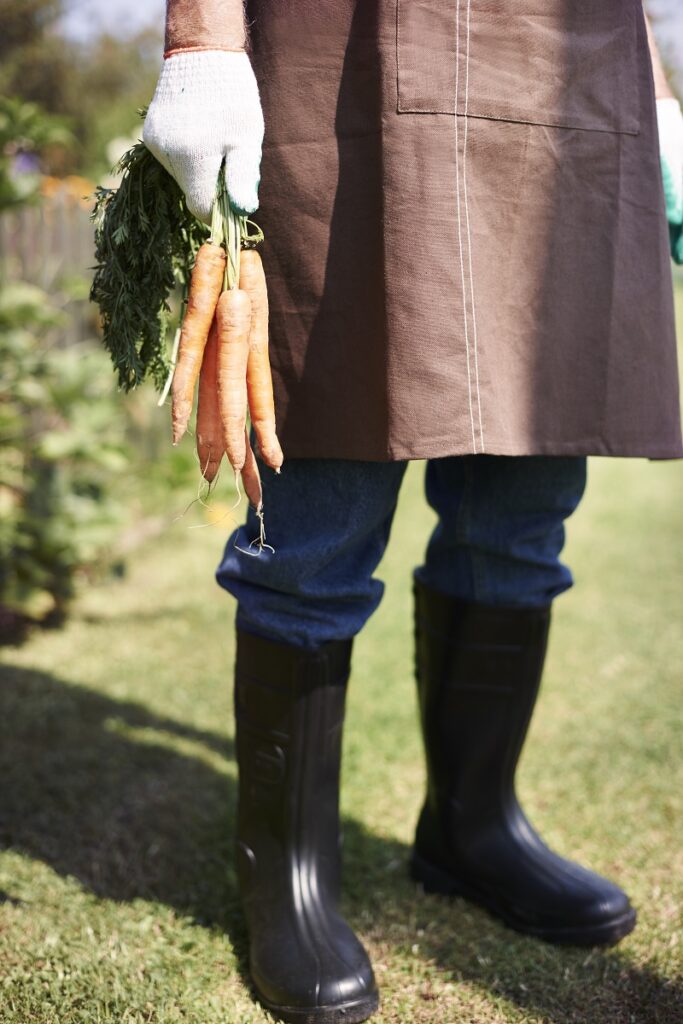
Harvesting Carrots
Carrots are ready when their tops reach about 1–2 cm in diameter.
How to harvest:
- Loosen soil gently
- Pull from the base of the greens
- Avoid breaking the root
If the soil is hard, use a garden fork carefully.


Storing Carrots
After harvesting:
- Remove the green tops (to prevent moisture loss)
- Store in the refrigerator
- Keep in a perforated bag or container
They can last several weeks when stored properly.
Final Tips for Success
- Plant in loose, stone-free soil
- Keep moisture consistent
- Thin seedlings early
- Choose the right variety for your space
Growing carrots at home is simple once you understand their needs—and the reward is a fresh, crunchy harvest straight from your garden.
Learn more: How to Plant Carrots: Step-by-Step Guide for Perfect Homegrown Roots