
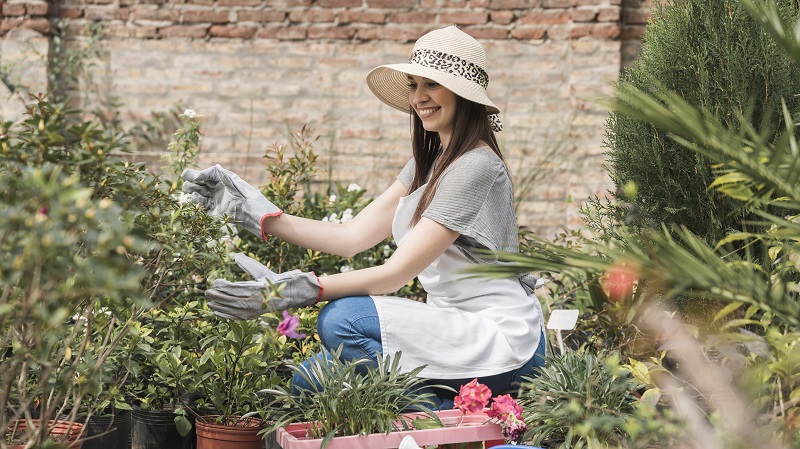
A complete guide to maximizing every inch of your outdoor space for a productive home garden
You don’t need acres of land to grow your own food. Some of the most productive vegetable gardens in the world are tucked into tiny urban backyards, narrow side yards, and modest suburban plots that most people would dismiss as too small to bother with. The truth is that a well-planned small backyard can produce a surprising abundance of fresh vegetables — enough to meaningfully reduce your grocery bills and keep your kitchen stocked with produce that tastes nothing like what you find in supermarkets.
The shift toward small-space vegetable gardening has accelerated dramatically in recent years, driven by rising food prices, growing interest in food sovereignty, and a renewed appreciation for the satisfaction of eating what you grow. Community gardening groups, urban farming advocates, and backyard growers around the world have proven, season after season, that space is far less of a limitation than most people assume.
What matters far more than the size of your backyard is how thoughtfully you use it. A 10-by-10-foot raised bed managed with attention and care will consistently outperform a sprawling, neglected plot three times its size. Intensive planting techniques, vertical growing structures, smart variety selection, and succession planting can transform even the most modest outdoor space into a genuinely productive kitchen garden.
This guide will walk you through everything you need to know to get started — from assessing your space and building your first beds, to choosing the right vegetables, managing soil health, and harvesting your first crops.

Assessing Your Space
Before buying a single seed or bag of soil, take time to honestly assess your backyard. Understanding what you’re working with is the foundation of a successful small-space garden.
Sunlight
Sunlight is the single most important factor in vegetable gardening. Most vegetables — especially fruiting crops like tomatoes, peppers, cucumbers, and squash — require a minimum of 6 to 8 hours of direct sunlight per day to produce well. Leafy greens, herbs, and root vegetables are more tolerant of partial shade and can manage with 4 to 6 hours.
Spend a full day observing how sunlight moves across your backyard. Note which areas receive full sun, which are partially shaded by the house, fences, or trees, and which remain in deep shade for most of the day. This observation will determine where you place your beds and which vegetables you can realistically grow.
Don’t be discouraged if your backyard is partially shaded — it simply means you’ll focus on shade-tolerant crops in those areas while reserving sunny spots for your highest-priority fruiting plants.
Soil
If you plan to grow directly in the ground, take stock of your existing soil. Squeeze a handful: good garden soil should crumble apart easily when released, not form a tight ball that holds its shape (too much clay) or fall apart instantly like dry sand (too sandy). Push a shovel into the soil — if it’s nearly impossible to penetrate, you likely have heavily compacted ground that will need significant amendment or may be better bypassed in favor of raised beds.
Check for potential contamination as well. If your home was built before 1978, or if the area was previously used for industrial purposes, testing the soil for heavy metals — particularly lead — before growing food crops is a worthwhile precaution. Soil test kits are available at most garden centers and through cooperative extension services.
Water Access
Consider how you’ll water your garden. Is there an outdoor faucet nearby? How long would a hose need to be to reach the furthest corner of your growing area? Is rainwater collection an option? Water access influences where beds are most practical to place — carrying heavy watering cans long distances quickly becomes a deterrent to consistent garden care.
Existing Structures
Note the presence of fences, walls, trellises, trees, utility lines, and hardscaped areas. Fences and walls are assets — they provide support for climbing plants and create microclimates that can extend your growing season. Trees are more complicated: their roots can compete with vegetable plants for water and nutrients, and their canopy creates shade. If large trees are present, raised beds positioned away from their root zones are generally the safest approach.
Planning Your Layout
With a clear picture of your space, it’s time to plan how to use it. For small backyards, every square foot should be intentional.
Raised Beds vs. In-Ground Growing
For most small backyard situations, raised beds are the superior choice — and for good reason. They give you complete control over soil quality from day one, drain better than most native soils, warm up faster in spring allowing earlier planting, reduce weed pressure significantly, and make intensive planting much easier to manage.
Standard raised beds are typically built 4 feet wide (so you can reach the center from either side without stepping in) and anywhere from 6 to 12 inches deep, though 12 inches is the minimum for most root vegetables. Length is flexible — 4-by-8 feet is a classic size that fits well in small backyards and makes calculating soil volume straightforward.
For in-ground growing, double-digging — loosening the soil to a depth of 18 to 24 inches and incorporating generous amounts of compost — creates a deep, fertile growing zone that supports intensive planting and strong root development.
The Power of Intensive Planting
Traditional row gardening, with wide pathways between each row, was designed for tractor access — it makes no sense in a small backyard. Intensive planting, by contrast, places plants at the closest spacing they can tolerate while still producing well, eliminating wasted space between rows and creating a living canopy of leaves that shades the soil, reduces evaporation, and suppresses weeds.
The result is dramatically more food per square foot. A 4-by-8-foot raised bed planted intensively can produce as much as a traditional row garden several times its size.
Going Vertical
In a small backyard, the most underutilized growing space is almost always vertical. Fences, walls, arbors, trellises, and purpose-built vertical structures can multiply your effective growing area without taking up additional ground space.
Cucumbers, pole beans, peas, indeterminate tomatoes, melons (with sling support for the fruits), and many squash varieties grow happily on vertical supports and actually benefit from the improved air circulation — reducing disease pressure while making harvest easier. A 4-foot section of fence covered with a climbing cucumber or bean plant can produce as much as several square feet of horizontal bed space.
When planning vertical elements, always position them on the north side of your beds (in the Northern Hemisphere) so tall plants don’t shade shorter ones.
Pathways
Even in the smallest garden, accessible pathways are essential. Being able to reach every part of every bed without stepping on the growing area protects soil structure — compacted soil loses its ability to drain well and support healthy root development. Pathways as narrow as 12 to 18 inches are workable in tight spaces. Materials like wood chips, gravel, stepping stones, or landscape fabric keep paths tidy and weed-free.
Building Healthy Soil
More than any other single factor, soil quality determines the productivity of your vegetable garden. Plants grown in rich, biologically active, well-structured soil are healthier, more productive, more flavorful, and more resistant to pests and diseases than plants struggling in poor ground.
What Great Garden Soil Looks Like
Ideal vegetable garden soil is dark, loose, and crumbly. It has a pleasant earthy smell — the characteristic scent of geosmin, produced by beneficial soil bacteria. It drains well after rain but retains moisture long enough for plants to use it. It’s teeming with life: earthworms, beneficial insects, fungi, bacteria, and countless other organisms that form the soil food web.
Building this kind of soil takes time, but the process is simpler than many gardeners realize. The core inputs are organic matter and biological activity.
Compost: The Heart of Soil Health
Compost is decomposed organic matter — food scraps, garden waste, fallen leaves, grass clippings — broken down by microorganisms into a dark, crumbly, nutrient-rich material that improves virtually every aspect of soil quality. Adding 2 to 4 inches of finished compost to your beds each season — working it into the top few inches of soil — is the single most impactful thing you can do for garden productivity.
Making your own compost is straightforward even in a small backyard. A simple bin made from four wooden pallets, wire mesh, or a commercial plastic tumbler can process most of your kitchen and garden organic waste into finished compost in 2 to 6 months depending on how actively you manage it. The core requirements are a balance of carbon-rich “brown” materials (dried leaves, cardboard, straw) and nitrogen-rich “green” materials (kitchen scraps, fresh grass clippings, coffee grounds), moisture, and occasional turning to introduce oxygen.
If making your own compost isn’t practical, bagged compost — ideally from a local source — is widely available and a perfectly acceptable substitute, especially in the early years of building a new garden.
Mulching
Applying a 2 to 3-inch layer of organic mulch — straw, wood chips, dried leaves, or shredded newspaper — over the soil surface between plants delivers multiple benefits simultaneously: it retains moisture, moderating how frequently you need to water; it regulates soil temperature, keeping roots cooler in summer heat; it suppresses weeds by blocking light; and it slowly breaks down, adding organic matter to the soil below.
Mulching is especially valuable in small backyard gardens where every efficiency matters. A well-mulched bed can use up to 50% less water than an unmulched one — a significant advantage both for the environment and for your water bill.
Choosing the Right Vegetables
In a small backyard, choosing what to grow is a strategic decision. Not all vegetables offer the same return on space invested, and matching your choices to your specific conditions — climate, sun exposure, soil depth, season — is essential to getting a meaningful harvest.
High-Value Crops for Small Spaces
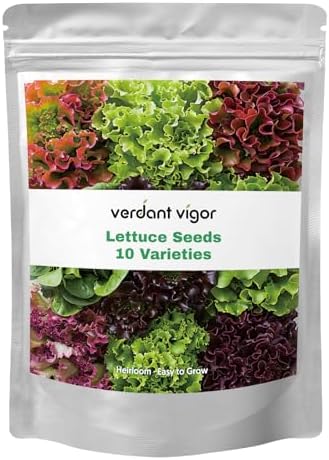
Lettuce and salad greens are among the most space-efficient crops you can grow. They mature quickly (as little as 30 to 45 days for loose-leaf varieties), can be harvested leaf-by-leaf over an extended period, tolerate partial shade, and can be grown at very close spacing. A single 4-by-4-foot bed of mixed salad greens can produce fresh salads multiple times per week throughout the cooler seasons.
Radishes deserve a spot in every small garden for their extraordinary speed — from seed to harvest in as little as 25 days. They serve as excellent gap-fillers between slower-growing crops and make efficient use of space that would otherwise sit empty while larger plants develop.
Cherry tomatoes produce far more fruit per square foot than large beefsteak varieties and are generally easier to grow. A single indeterminate cherry tomato plant, given a sturdy trellis, can produce hundreds of fruits over the course of a season. For very small spaces, compact patio varieties bred specifically for container growing are excellent options.
Bush beans are highly productive, require no staking, fix atmospheric nitrogen back into the soil (improving fertility for subsequent crops), and produce a generous harvest over 2 to 3 weeks. Succession planting — sowing a new batch every 2 to 3 weeks — provides a steady supply throughout the season.
Kale and Swiss chard are among the most productive leafy greens for small spaces. Both are perennial-behaving plants that can be harvested continuously over many months, tolerate a range of temperatures, and provide nutritional density that few other vegetables match.
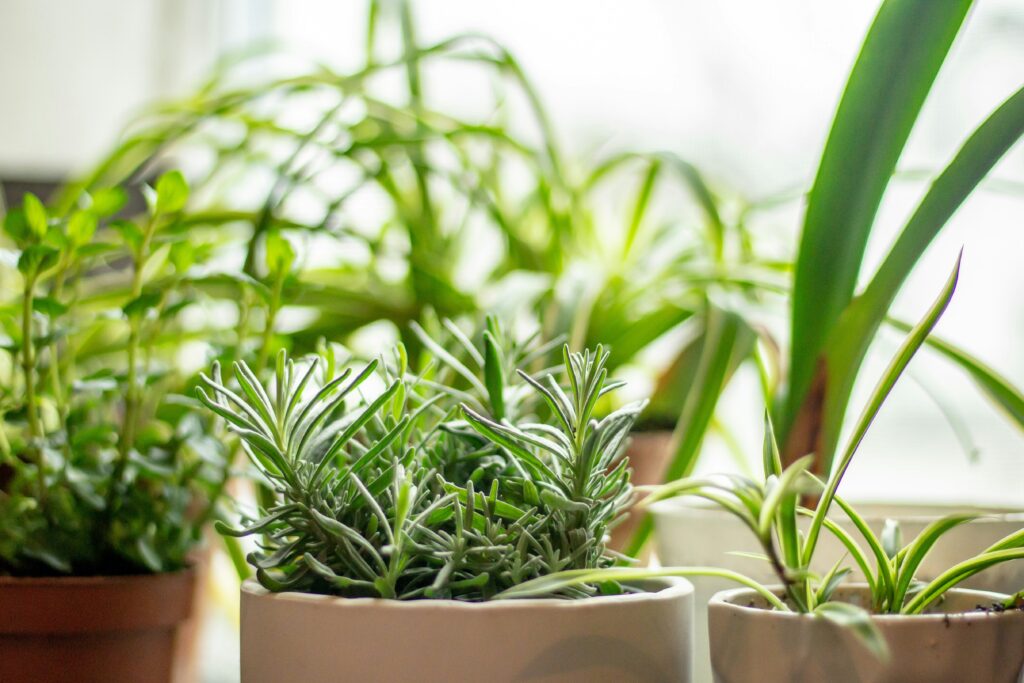
Herbs deserve strong emphasis in any small vegetable garden. Basil, parsley, chives, cilantro, thyme, oregano, and rosemary require minimal space, can be grown in containers or tucked into the edges of beds, and provide returns in flavor and culinary value that far exceed their spatial footprint.
Cucumbers are highly productive vertical growers that reward the small-space gardener well. Trained up a trellis, a single plant can produce dozens of cucumbers while occupying very little ground space.
Crops to Approach with Caution in Small Spaces
Some vegetables are notoriously space-inefficient for small backyards and are best avoided or grown in very limited quantities:
Corn requires large blocks for effective wind pollination, takes up significant space, and produces only one or two ears per plant. It’s rarely a wise use of limited square footage.
Pumpkins and large winter squash send out sprawling vines that can easily overtake an entire small backyard. Unless trained aggressively onto a very sturdy vertical structure, they quickly crowd out everything around them.
Melons require significant space, heat, and a long growing season to produce well. In small gardens in cooler climates, they’re often a poor investment of space.
Potatoes require deep soil and a lot of it to produce a meaningful yield. In raised beds, fabric grow bags are a more space-efficient option if potatoes are a priority.
Succession Planting: The Key to Continuous Harvests
One of the most powerful techniques for maximizing production from a small backyard garden is succession planting — the practice of making multiple smaller sowings of the same crop throughout the season, spaced a few weeks apart, rather than one large planting all at once.
Without succession planting, most fast-maturing crops — lettuce, radishes, cilantro, bush beans — produce a glut all at once, more than you can use in the short window before they bolt or decline, followed by a long empty period with nothing to harvest. With succession planting, you always have crops at different stages of development, ensuring a continuous and manageable supply of fresh produce throughout the season.
The practical approach is simple: as soon as one batch of a fast-maturing crop is up and producing well, sow the next batch. For lettuce and radishes, a new sowing every 2 to 3 weeks is ideal. For beans, every 3 weeks. For cilantro, which bolts quickly in warm weather, every 10 to 14 days during the growing season.
Succession planting also works on a seasonal scale — following spring crops (lettuce, peas, radishes, spinach) with summer crops (tomatoes, beans, cucumbers) and those with fall crops (kale, carrots, beets, arugula) in the same beds, ensuring that no ground sits idle for more than a few weeks at a time.
Watering Strategies for Small Gardens
Consistent moisture is essential for vegetable production, and developing an efficient watering strategy early will save you time, water, and frustration throughout the season.
Drip Irrigation
For small raised bed gardens, a simple drip irrigation system — low-pressure tubing with emitters positioned at each plant’s base — is by far the most efficient watering method available. Drip systems deliver water directly to the root zone, where plants can use it, rather than broadcasting it over foliage and pathways where much of it evaporates or encourages foliar disease.
Basic drip systems for small gardens are inexpensive, easy to install, and can be connected to a timer for fully automated watering — a genuine game-changer for consistent garden care. An automated drip system also means your plants get watered even when you’re busy, traveling, or simply forget.
Hand Watering
If drip irrigation isn’t practical, hand watering with a watering can or hose fitted with a soft spray nozzle works well in small gardens. The key is consistency: vegetables in raised beds or containers may need watering daily during hot weather, and irregular watering — letting the soil swing from soggy to bone dry and back — stresses plants, reduces productivity, and causes specific problems like blossom end rot in tomatoes and tip burn in lettuce.
Always water at the base of plants, not over the foliage. Wet leaves are more susceptible to fungal diseases, and water droplets on leaves in direct sun can cause scorch.
The Finger Test
The simplest and most reliable way to know when to water is the finger test: push your finger 2 inches into the soil. If it feels dry at that depth, it’s time to water. If it still feels moist, wait another day. This simple habit prevents both underwatering and the equally damaging — and extremely common — problem of overwatering.


Dealing with Pests and Diseases
Every garden faces pests and diseases, and small backyard gardens are no exception. The good news is that a healthy, well-managed garden with diverse plantings is far more resilient than a monoculture, and most common pest and disease problems can be managed effectively without synthetic pesticides.
Prevention First
The most effective pest management strategy is prevention. Healthy soil produces healthy plants with stronger immune systems — more capable of tolerating insect pressure and recovering from disease. Proper spacing that allows air to circulate freely between plants reduces the humidity that fuels fungal disease. Regular inspection — walking through the garden and checking plants closely every few days — allows you to catch problems early, when they’re far easier to manage.
Companion planting — strategically placing plants with pest-repellent properties near susceptible crops — is a time-honored technique with real effectiveness. Basil planted near tomatoes repels aphids and whiteflies. Marigolds throughout the garden deter a range of pests and attract beneficial insects. Dill and fennel attract predatory wasps that feed on caterpillars and aphids.
Common Pests and Organic Solutions
Aphids are tiny soft-bodied insects that cluster on new growth, sucking sap and weakening plants. A strong jet of water from the hose dislodges most infestations effectively. For persistent colonies, neem oil spray diluted according to package instructions is highly effective and safe for beneficial insects when applied in the evening.
Caterpillars and cutworms can devastate young seedlings overnight. Bacillus thuringiensis (Bt), a naturally occurring soil bacterium available as an organic spray, is highly effective against caterpillars while being harmless to humans, pets, and beneficial insects.
Slugs and snails are particularly problematic in damp conditions. Iron phosphate-based slug baits are effective and safe for wildlife, pets, and soil organisms. Beer traps — shallow containers sunk into the soil and filled with cheap beer — attract and drown slugs overnight.
Powdery mildew — a white, powdery fungal coating on leaves — is common in humid conditions. Improve air circulation by pruning crowded growth, avoid overhead watering, and treat affected plants with a diluted baking soda spray (1 teaspoon per quart of water) at the first sign of infection.
Containers and Creative Growing Solutions
For backyards where in-ground or raised bed growing isn’t possible — due to fully paved surfaces, contaminated soil, or rental restrictions — containers offer a surprisingly capable alternative.
Almost any vegetable that grows in a raised bed can also grow in a sufficiently large container. The critical factor is volume: most vegetables need more root space than gardeners expect. Tomatoes need at least 5 gallons per plant, ideally 10 to 15. Peppers and eggplants need 3 to 5 gallons. Lettuce and herbs can thrive in smaller containers of 1 to 2 gallons.
Fabric grow bags have become increasingly popular for container vegetable growing and for good reason — their porous walls allow excellent air circulation to roots, prevent the root circling common in rigid plastic pots, and are lightweight, foldable, and inexpensive. A collection of fabric grow bags in various sizes can turn a concrete patio or balcony into a productive growing space.
The main challenge with containers is watering: they dry out much faster than beds, often requiring daily watering in hot weather. Self-watering containers with built-in reservoirs dramatically reduce this burden and are particularly valuable for busy gardeners or in very hot climates.
Seasonal Planning and Year-Round Production
One of the hallmarks of an experienced small backyard gardener is the ability to keep beds productive through as much of the year as possible. With careful planning, most climates offer more growing opportunities than casual gardeners realize.
Cool-season crops — including lettuce, spinach, arugula, kale, peas, radishes, carrots, broccoli, and cauliflower — thrive in the mild temperatures of spring and fall and, in mild climates, through winter. They prefer daytime temperatures between 45°F and 70°F and many are improved by light frosts, which convert starches to sugars, sweetening their flavor.
Warm-season crops — tomatoes, peppers, cucumbers, beans, squash, and corn — require consistently warm temperatures and a frost-free growing period. They’re the heart of the summer garden.
Season extension tools — cold frames, row covers (floating fabric), cloches, and low tunnels — can meaningfully push both ends of the season, allowing earlier spring planting and later fall harvesting than your climate would otherwise permit. A simple cold frame made from an old window and four boards can protect crops through temperatures well below freezing and start seedlings weeks earlier than outdoor conditions would allow.
Keeping Records
One of the most valuable habits a small backyard gardener can develop — and one of the least practiced — is keeping a simple garden journal. Recording what you planted, where, when, how it performed, what pests appeared, what worked, and what didn’t creates an invaluable reference that improves your results with every passing season.
Notes don’t need to be elaborate: a few sentences after each significant garden activity, combined with the occasional photo, are enough to build a picture of your garden’s patterns over time. Which varieties performed best in your specific conditions? Which pest problems recurred and at what time of year? Which succession planting intervals worked best? When did your last frost actually occur this year? A journal answers these questions from real observation, not general advice.
After three or four seasons of record-keeping, you’ll have a personalized growing guide that no book or website can replicate — one built entirely from your own backyard’s specific soil, climate, and microclimate.
Conclusion
Growing vegetables in a small backyard is not a compromise. It is, in many ways, a more intentional and ultimately more rewarding form of gardening than managing a sprawling plot — one that demands thoughtfulness at every step and rewards careful planning with a genuinely impressive return on investment of time and space.
The small backyard gardener who understands intensive planting, thinks vertically, chooses crops strategically, builds soil with care, waters consistently, and manages pests proactively can produce an astonishing quantity and variety of fresh food in a space that most people walk past without a second thought.
Start modestly — a single raised bed or a collection of containers is enough to begin learning. Observe your space carefully, make notes, adjust with each season, and allow your garden to grow in complexity as your confidence and knowledge grow alongside it.
The best moment to plant was last season. The second best is right now.
Learn more: How to Plant Lettuce: Complete Growing Guide for Fresh Homegrown Greens
Small space, big harvest — it starts with a single seed.