
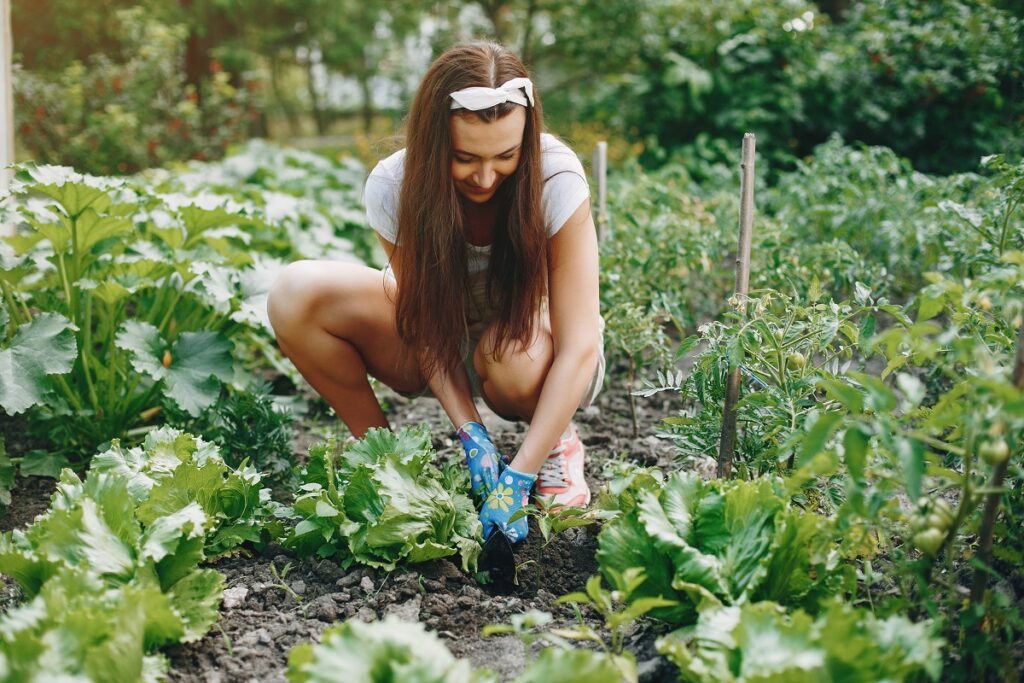
Planning a vegetable garden is the most important step if you want a productive and stress-free growing experience.
Many beginners jump straight into planting — and end up with poor results. But with the right plan, even a small space can produce an impressive amount of fresh vegetables.
In this guide, you’ll learn exactly how to plan a vegetable garden step by step, from choosing the right location to organizing your planting layout.


Why planning your garden matters
A well-planned garden helps you:
- Maximize your space
- Avoid common mistakes
- Improve plant growth
- Save time and effort
The better your plan, the better your harvest.
Step 1: Choose the right location
Location is everything.
Most vegetables need:
- At least 6–8 hours of sunlight daily
- Good air circulation
- Easy access to water
Tip: Observe your space for a full day to see where the sun hits the most.
Step 2: Decide what vegetables to grow
Start simple — especially if you’re a beginner.
Easy vegetables to include:
- Lettuce
- Tomatoes
- Carrots
- Spinach
- Green onions
Choose vegetables you actually like to eat.
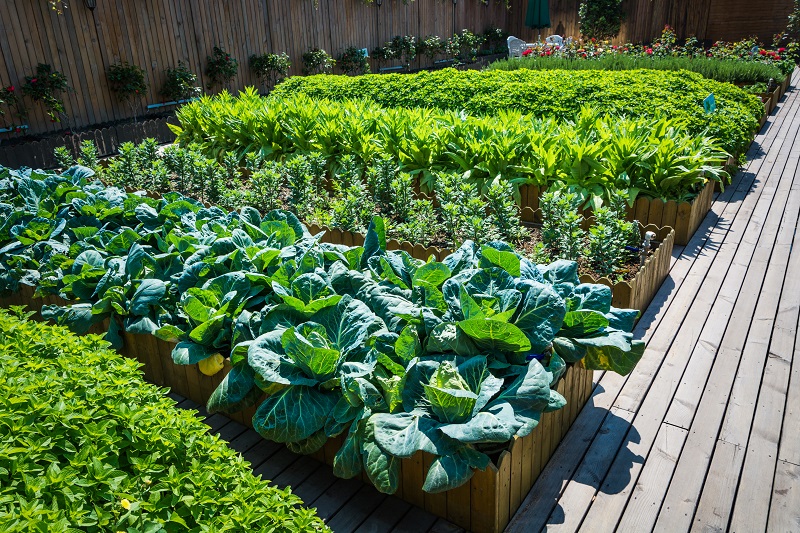
Step 3: Measure and define your space
Before planting, define your garden layout.
You can use:
- Raised beds
- Ground planting
- Containers
Small gardens benefit most from raised beds or pots.
Step 4: Choose your garden layout
Common layouts:
1. Raised beds
- Best for beginners
- Easy to manage
- High productivity
2. In-ground rows
- Traditional method
- Requires more space
3. Containers
- Ideal for small spaces
- Flexible and simple
Step 5: Plan plant spacing
Avoid overcrowding.
Each plant needs space to grow properly.
Check spacing guidelines for each vegetable.
Proper spacing:
- Improves airflow
- Reduces disease
- Increases yield
Step 6: Prepare the soil
Healthy soil is essential.
Make sure your soil is:
- Loose and well-drained
- Rich in organic matter
Add compost to improve fertility.
Step 7: Consider seasons and timing
Not all vegetables grow at the same time.
Cool-season crops:
- Lettuce
- Spinach
- Carrots
Warm-season crops:
- Tomatoes
- Peppers
- Cucumbers
Plant according to your local climate.
Step 8: Plan for succession planting
Instead of planting everything at once:
Plant in stages
Example:
- Lettuce every 2–3 weeks
- Beans every 3 weeks
This ensures continuous harvest.
Step 9: Include vertical growing
Maximize space by growing upward.
Use:
- Trellises
- Stakes
- Fences
Perfect for:
- Tomatoes
- Cucumbers
- Beans
Step 10: Plan your watering system
Watering is crucial for success.
Options include:
- Drip irrigation (best)
- Watering can
- Garden hose
Keep soil consistently moist.
Step 11: Prepare for pests and problems
All gardens face challenges.
Prevent issues by:
- Checking plants regularly
- Keeping good spacing
- Using natural pest control
Early action prevents bigger problems.
Example garden plan (simple layout)
For a small backyard:
- 1 raised bed → lettuce + spinach
- 1 raised bed → tomatoes (vertical)
- 1 area → carrots + onions
Simple, productive, beginner-friendly.
Common planning mistakes
Avoid these:
- Planting too much at once
- Ignoring sunlight needs
- Poor spacing
- No watering plan
These mistakes reduce productivity fast.
Tips for a successful garden plan
- Start small
- Focus on easy vegetables
- Keep things simple
- Adjust as you learn
What is the best garden setup for beginners?
Raised beds or containers are the easiest and most effective.
They give you more control and better results.
Final thoughts
Planning your vegetable garden is the foundation of success.
With a simple, well-organized plan, you can grow healthy vegetables even in a small space.
Start with a clear layout, choose the right plants, and focus on consistency. As you gain experience, your garden will naturally improve season after season.
Learn more: How to Start a Vegetable Garden for Beginners (Step-by-Step Guide)
A great garden always starts with a good plan.