

A practical guide to watering your garden the right way for healthy, productive plants
Watering seems simple—but it’s one of the most common reasons vegetable gardens fail.
Too little water and your plants struggle to grow. Too much, and you risk root rot, disease, and weak development. The truth is, there’s no one-size-fits-all answer. The right watering schedule depends on factors like climate, soil, plant type, and growth stage.
In this guide, you’ll learn how often you should water your vegetable garden and how to do it properly for the best results.
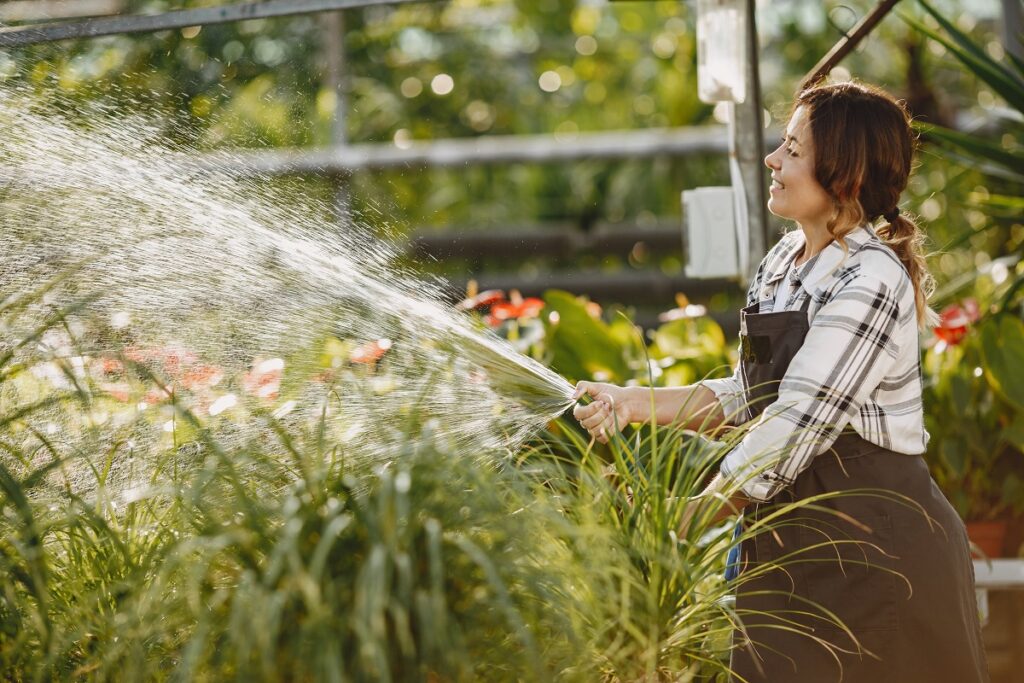
The Short Answer
Most vegetable gardens need:
- About 2.5 cm (1 inch) of water per week
This includes rainfall and manual watering combined.
However, frequency matters just as much as quantity.
How Often Should You Water?
Instead of watering lightly every day, it’s better to water deeply a few times per week.
General guideline:
- 2 to 3 times per week for established plants
- Daily light watering for seeds and seedlings
- More frequent watering during hot or dry weather
Deep watering encourages roots to grow deeper into the soil, making plants stronger and more drought-resistant.


Factors That Affect Watering Frequency
1. Weather and Climate
Hot, sunny, and windy conditions dry out soil faster.
- Hot weather: Water more often
- Cool or cloudy weather: Water less frequently
- Rainy periods: Reduce or skip watering
2. Soil Type
Different soils retain water differently:
- Sandy soil: Drains quickly → needs more frequent watering
- Clay soil: Holds water longer → water less often
- Loamy soil: Ideal balance
3. Type of Vegetables
Some plants need more water than others.
High water needs:
- Lettuce
- Cucumbers
- Tomatoes
Lower water needs:
- Carrots
- Beans
- Herbs like rosemary and thyme
4. Plant Growth Stage
- Seeds: Keep soil consistently moist
- Seedlings: Light, frequent watering
- Mature plants: Deep, less frequent watering
5. Mulching
Adding mulch helps retain soil moisture and reduces watering needs.
Benefits of mulch:
- Prevents evaporation
- Keeps soil temperature stable
- Reduces weed competition
How to Tell If Your Garden Needs Water
Instead of following a strict schedule, check your soil.
Simple test:
- Stick your finger 5–7 cm (2–3 inches) into the soil
- If it feels dry → it’s time to water
- If still moist → wait
Best Time of Day to Water
Timing matters more than most people think.
Best time:
- Early morning (before 10 AM)
This allows plants to absorb water before the heat of the day and reduces evaporation.
Avoid:
- Watering at midday (too much evaporation)
- Watering at night (can promote fungal diseases)
How to Water Properly
Do:
- Water deeply and slowly
- Aim water at the base of plants
- Use drip irrigation or a soaker hose if possible
Avoid:
- Shallow watering
- Wetting leaves excessively
- Overwatering
Signs of Overwatering
- Yellowing leaves
- Wilting despite wet soil
- Root rot
- Fungal growth
Signs of Underwatering
- Dry, crumbly soil
- Drooping leaves
- Slow growth
- Bitter or poor-quality vegetables
Special Tips for Raised Beds and Containers
Raised beds and containers dry out faster than in-ground gardens.
Adjust accordingly:
- Water more frequently
- Check soil moisture daily in hot weather
- Use mulch even in containers


Final Tips for Success
- Water deeply, not frequently
- Adjust based on weather and soil
- Check soil moisture instead of guessing
- Water early in the morning
- Use mulch to conserve moisture
Conclusion
There’s no fixed rule for watering a vegetable garden—but understanding your plants and soil makes all the difference.
With consistent, deep watering and a bit of observation, you’ll create the ideal environment for your vegetables to thrive—resulting in healthier plants and a more productive harvest.